1000kg per hour floating fish food pellet making production line in Nigeria
Leave a message
1. What Is the 1000kg per Hour floating fish food making production linee in Nigeria?
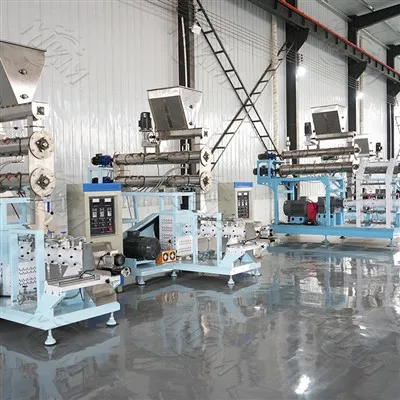
The 1000kg per hour floating fish meal making production line in Nigeria is a complete industrial fish feed production system designed for large-scale aquaculture feed manufacturing. It integrates crushing, mixing, extrusion, drying, seasoning, cooling, and packaging to produce high-quality floating fish feed pellets for commercial fish farms in Nigeria.
2. Why Nigeria Needs a 1000kg/h floating fish food pellet production line
This section should focus on real market logic, not general marketing.
In Nigeria, aquaculture is expanding rapidly, but feed challenges remain:
- high cost of imported fish feed
- inconsistent feed supply in rural areas
- growing tilapia and catfish farming demand
- need for local industrial feed production
3. What 1000kg/h Actually Means in Real Production
Many pages fail here. You must explain capacity clearly.
Production Reality:
- 1000kg/h = 8 tons per 8-hour working day
- suitable for medium to large commercial feed factories
- supports continuous industrial aquaculture supply chain
4. Full floating fish feed pellet making production line Structure
1. Raw Material Crushing System
Processes:
maize
soybean meal
fish meal
Function:
converts raw materials into fine powder for stable extrusion
2. High-Precision Mixing System
Key role:
ensures uniform protein distribution
stabilizes feed nutrition balance
3. Screw Conveying System
Function:
automatic material transport
continuous feeding to extruder
4. floating fish feed pellet maker machine
This is the heart of the line.
- Inside process:
- high temperature + pressure cooking
- starch gelatinization
pellet expansion
Results:
- floating feed pellets
- high digestibility
- uniform structure
5. Drying System
Function:
reduces moisture content
improves storage stability
prevents mold formation
6. Flavoring / Oil Spraying System
Adds:
fish oil
vitamins
attractants
7. Cooling System
Ensures:
pellet hardness stability
prevents breakage during packaging
8. Packaging System
Automated weighing and sealing for:
bulk feed distribution
commercial sales packaging
5. Why fish floating feed pellet making production line Is Critical for Nigeria Aquaculture
Nigeria aquaculture depends heavily on:
- tilapia farming
- catfish production
- pond-based fish culture
Floating feed advantages:
- reduces feed waste
- allows fish feeding observation
- improves feed conversion ratio (FCR)
6. Technical Advantages of 1000kg/h dry type floating fish food extruder line
Stable Industrial Output
Designed for continuous large-scale operation.
High Protein Formula Compatibility
Handles fish meal-rich formulations efficiently.
Energy Efficiency Optimization
Balanced drying + extrusion reduces energy waste.
Modular System Design
Each unit can be maintained or upgraded independently.
7. Real Production Performance Data
| Item | Result |
|---|---|
| Capacity | 1000kg/h |
| Line Type | floating fish feed extruder production line |
| Raw Materials | Corn, soybean meal, fish meal |
| Pellet Size | 1–12mm adjustable |
| Floating Rate | ≥95% |
| Operation Mode | Continuous industrial production |
| Application | Tilapia & catfish feed production |
8. Suitable Users in Nigeria Market
This system is designed for:
- commercial fish feed factories
- large aquaculture investors
- government-supported feed projects
- industrial farming zones
- feed distribution companies
9. FAQ
Is 1000kg/h suitable for small fish farms?
No, it is designed for industrial-scale feed production.
Can the line produce floating fish feed only?
It is mainly designed for floating feed, but can adjust formulas for sinking feed.
What fish species is it suitable for?
Tilapia, catfish, and most freshwater aquaculture species.
Is local raw material usable in Nigeria?
Yes, maize and soybean-based formulas are fully supported.
Company Profile