


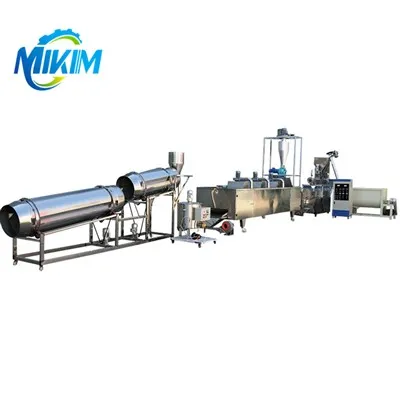
A snack food production line is an integrated system designed to efficiently manufacture a wide range of snack items. It typically comprises various specialized machinery, starting with ingredient mixing and blending, followed by extrusion or molding to shape the snacks, and then cooking processes like frying, baking, or air frying to achieve desired crispness and flavors. The line often includes seasoning equipment for adding flavor profiles, drying systems to remove excess moisture, and packaging machines for sealing freshness and convenience. Advanced lines may feature automation and robotics for increased efficiency and consistency in production. These systems are customizable to produce a variety of snacks, from chips and nuts to baked goods and confectionery.
Advantages of Snack Food Production Line
High Production Capacity
Snack food production lines are designed to handle large volumes of snacks with high-speed processing capabilities. This means that manufacturers can produce a significant amount of snacks in a relatively short period of time, meeting high market demands and ensuring timely delivery to retailers and consumers.
Consistency And Uniformity
Snack food production lines ensure consistency and uniformity in the final product. By using precise metering and mixing systems, as well as automated shaping and baking equipment, manufacturers can produce snacks with uniform size, shape, and texture. This consistency is crucial in maintaining brand quality and consumer satisfaction.
Variety And Innovation
Snack food production lines offer the flexibility to produce a wide range of snack varieties. Manufacturers can easily switch between different recipes, ingredients, and processing techniques to create new and innovative snack products. This variety not only satisfies consumer preferences but also helps manufacturers to differentiate their products in the market.
Cost-effectiveness
Snack food production lines are highly cost-effective due to their efficient use of resources and high production capacity. By automating many of the production processes, manufacturers can reduce labor costs and improve overall productivity. Additionally, the efficient use of raw materials and energy helps to minimize waste and reduce production costs.
Hygiene And Safety
Snack food production lines are designed with strict hygiene and safety standards. This includes the use of food-grade materials, cleaning and sanitizing systems, and temperature-controlled environments to prevent bacterial growth and contamination. The result is a safe and hygienic snack product that consumers can enjoy without any health concerns.
Extended Shelf Life
Snack food production lines often incorporate advanced packaging systems that help to extend the shelf life of snacks. This is achieved by removing oxygen and moisture from the packaging, creating an environment that inhibits microbial growth. The extended shelf life allows manufacturers to distribute snacks to far-flung areas without worrying about spoilage or quality degradation.




Why Choose Us
Advanced Equipment
A machine, tool or instrument designed with advanced technology and functionality to perform highly specific tasks with greater precision, efficiency and reliability.
High Quality
Our products are manufactured or executed to a very high standard, using the finest materials and manufacturing processes.
Professional Team
Our professional team collaborates and communicates effectively with each other, and is dedicated to delivering high quality results. We are capable of handling complex challenges and projects that require our specialized expertise and experience.
Customized Services
We understand that each customer has unique manufacturing needs. That’s why we offer customization options to cater to your specific requirements.
One-stop Solution
At our manufacturing facilities, we provide a complete package that includes everything required to get you started, including training, installation and support.
24h Online Service
We try and respond to all concerns within 24 hours and our teams are always at your disposal in case of any emergencies.
Types of Snack Food Production Line
Extrusion Lines: These versatile lines are designed for the production of extruded snacks, including corn chips, rice cakes, cereals, and various shapes and sizes of snack foods. They utilize a screw extruder to mix ingredients, cook the dough, and shape it through a die. The extruder's screw design and temperature controls determine the texture and expansion of the snacks.
Bakery Lines: Bakery lines are dedicated to producing baked snacks such as cookies, crackers, and breadsticks. These lines usually include dough preparation, sheeting, cutting, and baking modules. Bakery lines may also have options for applying toppings or fillings and for packaging the baked goods.
Crisp Production Lines: Designed for the creation of potato chips, tortilla chips, and other crisp snacks, these lines focus on slicing, frying, and flavoring. They often feature automated peeling, washing, and slicing machines, followed by fryers that cook the chips to the perfect crispiness. Seasoning drums ensure even flavor distribution.
Confectionery Lines: Used for the production of candies, chocolates, gummies, and other sweet treats, confectionery lines incorporate processes such as melting, tempering, depositing, molding, cooling, and wrapping. These lines can handle a variety of confectionery products, from hard candies to molded chocolates.
Popcorn Production Lines: These specialized lines are optimized for producing popcorn snacks. They typically include a popping chamber where the corn is heated to pop, followed by seasoning and packaging equipment. Some advanced lines can also produce caramel corn or coated popcorn products.
Nuts And Seeds Processing Lines: Dedicated to processing nuts, seeds, and similar products, these lines often include roasting, blanching, seasoning, and packaging capabilities. They can handle a variety of nut types and can be configured for both raw and roasted products, as well as for flavored nuts and seeds.
Fruit Snacks Lines: For fruit snacks such as dried fruits, fruit leathers, and other dehydrated fruit products, these lines incorporate drying techniques like hot air drying, freeze-drying, and vacuum drying. They may also include rehydration and flavoring steps.
How to Store Snack Food Production Line
Cleanliness and sanitation
Before storage, thoroughly clean and sanitize all equipment to prevent the growth of bacteria and mold that can cause corrosion and deterioration. Pay special attention to areas prone to food residue accumulation.
Dry conditions
Ensure that the storage area is dry to prevent rust and corrosion, which can occur due to moisture. If any parts were submerged in water or exposed to humidity, they should be completely dried before storage.
Protection from dust and debris
Cover equipment with dust covers or place inside airtight containers to protect them from dirt and debris that could cause abrasion or clogging of moving parts.
Proper lubrication
Lubricate all moving parts to prevent seizing and ensure that the equipment operates smoothly when it is time to resume production.
Secure equipment
Use straps or ropes to secure heavy equipment to prevent shifting during transit or storage. Ensure that there is enough space between items to prevent damage from contact.
Regular inspections
Schedule regular inspections of the stored equipment to check for signs of wear, corrosion, or pest activity. Early detection allows for prompt remediation to prevent further damage.

One of the primary applications of snack food production lines is ensuring product consistency. Through precise control over temperature, pressure, and timing, these lines maintain uniformity in the taste, texture, and appearance of snacks. This consistency is crucial for brand recognition and consumer satisfaction, especially in a competitive marketplace where product quality can be a decisive factor. With the ability to operate continuously and process large volumes of raw materials, snack food production lines allow businesses to scale up their operations efficiently. This scalability is vital for meeting increasing demand and expanding into new markets. The integration of advanced automation technologies further enhances production capacity and reduces labor costs. Modern snack food production lines are highly adaptable, capable of producing an extensive variety of snacks. From simple corn chips to complex layered bars, these lines can be equipped with multiple modules to handle diverse ingredients and processes. This adaptability enables manufacturers to experiment with new recipes and concepts, keeping up with evolving consumer tastes and trends.Food safety regulations are stringent, requiring manufacturers to implement robust quality control measures. Snack food production lines are equipped with sensors and monitoring systems that track key parameters such as temperature, humidity, and ingredient composition. These systems help prevent contamination and ensure compliance with safety standards, protecting consumer health and brand reputation.
Precautions When Using Snack Food Production Line

Clear Workspace
Keep the work area around the production line clear of debris and obstacles that could lead to falls or cause equipment malfunctions. Regular cleaning helps maintain a safe environment.
Emergency Shutdown
Familiarize yourself with the emergency shutdown procedures for each piece of equipment. This knowledge is vital in the event of an unforeseen incident that requires immediate action.
Machinery Maintenance
Develop and adhere to a maintenance schedule that includes regular lubrication, cleaning, and part replacements. Well-maintained equipment runs more efficiently and has a longer lifespan.
Electrical Safety
Ensure that all electrical components are properly grounded and that cords and plug connections are in good condition to prevent electric shocks or fires.
Product Quality
Monitor product consistency throughout the production process. Adjustments may be needed to maintain the desired texture, flavor, and nutritional value of the snacks.
Machine Inspection
Perform routine inspections before startup to identify any potential issues, such as loose parts, worn belts, or damaged components. Immediate repairs or replacements should be made to prevent malfunctions during operation.
Safe Starting Procedures
Follow established start-up procedures to warm up the machines gradually. Sudden movements or power surges can lead to equipment failure or injury.
Energy Conservation
Implement energy-saving practices, such as using variable frequency drives on motors to reduce energy consumption and save on utility costs.

How Do I Choose the Right Snack Food Production Line
Define Your Needs
Before exploring options, clearly define your production goals. Determine the types of snacks you intend to produce, the expected output volume, and any special features or qualities you want your products to have. Understanding your needs will help you narrow down the suitable production line types and features.
Assess Your Budget
Your budget will greatly influence your choice of a production line. High-end lines with advanced automation may offer greater efficiency and flexibility but come at a higher cost. Conversely, less expensive lines might require more manual labor and have lower initial costs but may incur additional expenses over time due to lower efficiency and higher maintenance needs.
Consider Equipment Quality
Investing in high-quality equipment from reputable manufacturers is essential for longevity, reliability, and minimal downtime. Quality machines often boast better performance, energy efficiency, and precision, contributing to a higher-quality end product and potentially reducing long-term costs.
Evaluate Automation Levels
Automation can significantly boost productivity and consistency while reducing labor costs. Evaluate your staffing capabilities and decide on the level of automation that suits your operation best. More automated lines might require a larger upfront investment but can lead to significant savings in the long run.
Check For Flexibility And Scalability
Choose a production line that allows for easy modification and expansion. As market demands shift and your business grows, you may need to adjust your product line or increase production capacity. A flexible production line can accommodate these changes without the need for a complete overhaul.
Understand Technology Integration
Modern production lines should integrate seamlessly with existing technologies, such as inventory management systems, quality control software, and data analytics tools. This integration can improve traceability, optimize production planning, and facilitate informed decisions based on real-time data.
Production Methods of Snack Food Production Line
Raw Material Handling
The first step involves receiving raw materials such as potatoes, corn, or grains. These materials must be inspected for quality and sorted to remove any impurities. For example, in potato chip production, potatoes are typically washed, peeled, and sliced into chip-sized pieces before going further into the production line.
Cooking/frying
Many snack foods are cooked or fried to achieve the desired texture and flavor. The cooking process might involve blanching to soften the food and enhance color, followed by frying at precise temperatures to ensure even cooking and crispness. Oil quality and temperature control are critical factors in this stage.
Seasoning And Flavoring
After cooking, snacks are seasoned with a variety of spices, herbs, and flavorings. Seasoning can be applied through dusting, spraying, or coating techniques, ensuring an even distribution of flavor throughout the snack.
Drying And Cooling
Excess moisture must often be removed from the snacks to prevent spoilage and to achieve the correct texture. Snacks are dried and then cooled to room temperature before packaging.
Batching and forming
For snacks like popcorn, the raw materials are batch-cooked in large popcorn machines. For shaped snacks, like corn chips, a forming process might involve pressing dough through a die to create the desired shape.
Baking/roasting
Baked snacks, such as crackers or cookies, are baked in ovens to develop their flavor and crunchy texture. Roasting is another method used for nuts and seeds, which involves heating them in an oven or roaster to bring out their natural oils and flavors.
Cooling and sizing
After baking or roasting, the snacks need to cool before they can be packed. During cooling, they may also undergo sizing to ensure uniformity in size and weight for proper packaging.
Packaging
Once cooled and sized, snacks are packaged using automated packaging machinery. Packaging methods can include bags, boxes, or other containers, often with the addition of nitrogen gas flushing to extend shelf life.
The first stage involves the storage and handling of raw materials such as grains, legumes, seeds, and seasonings. Bulk storage silos and bins are used to store large quantities of ingredients, which are then fed into the production line using conveyors, augers, or screw feeders to ensure accurate measurement and dosing. Mixers are essential for combining ingredients uniformly. They can be batch or continuous mixers, depending on the production volume and recipe complexity. Proper mixing ensures the correct flavor profile and texture in the final product. Extruders are used to shape and cook snacks under high pressure and temperature. This process can create a wide variety of shapes and textures, from crunchy chips to chewy cereals. The extruder pushes the mixture through dies, forming the snacks' final shape. Snacks may undergo further cooking processes such as frying or baking to achieve desired crispness and flavor. Continuous fryers or oven systems are commonly used for this purpose, ensuring even heat distribution and consistent results. After cooking, snacks need to be dried and cooled to remove excess moisture and reach a safe temperature for packaging. Spiral coolers, conveyor dryers, or air-knife systems are employed to expedite this step. Seasoning systems apply salt, spices, flavors, and oils to impart the desired taste to the snacks. These systems can be spray towers, roller applicators, or vibratory coaters designed to evenly distribute the seasoning without waste.
Can a Snack Food Production Line Be Used for Healthy Snack Production?

Absolutely, a snack food production line can be tailored for the manufacture of healthy snacks. In fact, many manufacturers are responding to consumer demand for healthier snacking options by making adjustments to their existing production lines. The key to producing healthy snacks lies in selecting appropriate ingredients, adjusting processing methods, and designing appropriate packaging. Healthy snacks often contain whole grains, fruits, vegetables, lean proteins, and nuts. These ingredients can replace traditional snack components like refined grains, high sugar, and artificial additives. The formulation process requires careful selection of ingredients to balance flavor, nutrition, and cost while ensuring that the final product aligns with health guidelines. Processing methods can be modified to reduce fat, salt, and sugar content without compromising taste and texture. For example, air frying or baking instead of deep frying can significantly lower the fat content in snacks. Similarly, using natural flavoring agents and spices reduces the reliance on sodium and artificial flavor enhancers. Furthermore, extrusion technology can be employed to create snacks with controlled textures that are satisfying yet healthy. Health-conscious consumers look for snacks with added benefits, such as fiber, protein, vitamins, and minerals. Fortification can occur during processing by adding specific nutrients or using ingredients inherently rich in these qualities.Healthy snacks require packaging that not only protects the product but also communicates its health benefits. Packaging can be designed to highlight nutritional content, organic certification, non-GMO status, or allergen-free claims. Moreover, packaging materials can be selected based on their sustainability to appeal to environmentally conscious consumers. Healthy snacks must adhere to strict quality and safety standards. Production lines need to incorporate rigorous cleaning, sanitizing, and testing protocols to prevent contamination and ensure the safety of natural and organic ingredients.
What Is the Role of the Seasoning Machine in a Snack Food Production Line?
The seasoning machine plays a pivotal role in a snack food production line, as it is responsible for applying the flavoring agents that give snacks their distinctive tastes and aromas. This component is integral to creating a product that stands out in the marketplace and meets consumers' expectations. In the context of snack food manufacturing, flavoring is more than just adding salt or pepper; it involves a complex process of blending spices, herbs, seasoning blends, and oils to achieve a specific flavor profile. The seasoning machine must be capable of handling a wide range of seasonings, from free-flowing powders to sticky oils, and must do so with precision to ensure consistent flavor application across all products. The ability to measure and dose the exact quantity of seasoning required for each snack piece is crucial. This is achieved through volumetric or gravimetric feeding mechanisms that ensure consistency in flavor application. The machine must apply seasoning evenly to each snack to avoid over-seasoning some pieces and under-seasoning others. This could be accomplished through spray nozzles, vibratory coating, or roller application systems. Different snacks may require varying levels of seasoning. Therefore, the seasoning machine must be adjustable to accommodate different recipes and flavor intensities. The seasoning machine should seamlessly integrate with other components of the production line, such as conveyors, fryers, and packaging equipment, to maintain a smooth workflow. To prevent cross-contamination and ensure product safety, the seasoning machine must be easy to clean and sanitize between batches, especially when switching from one flavor to another.
Can a Snack Food Production Line Be Customized for Specific Snack Types?
Absolutely, snack food production lines can be highly customized to cater to the specific requirements of various types of snacks. The customization of a production line involves tailoring the machinery, processes, and technologies to suit the unique characteristics, sizes, shapes, and flavors of different snack foods. This adaptability is essential in the food industry, where consumer demands are constantly shifting towards new and innovative snack products. The customization process starts with an assessment of the type of snack being produced. Snacks can range from simple baked goods like chips and crackers to more complex items such as popcorn, nuts, jerky, and confectionery. Each type of snack has distinct processing needs and challenges that must be addressed by the production line. For instance, extruded snacks require specialized extruders that can shape and cook the product to perfection, while baked snacks need ovens and conveyance systems that can handle the delicate baking process. One of the primary considerations in customizing a production line is the size and shape of the snack. Equipment such as cutters, formers, and fillers are designed to match the specifications of the snack, ensuring uniformity and consistency in the final product. For example, a line producing round pretzels will have a different setup compared to a line producing square cheese crackers. Flavoring and seasoning are another area where customization is key. Seasoning applicators can be adjusted to apply precise amounts of seasoning powder, liquid, or oil to the snacks. Some machines use spray nozzles, while others utilize vibratory coating or drum tumblers to ensure even distribution of flavors. Customizing the seasoning process allows manufacturers to create a wide variety of flavored snacks that appeal to different markets and consumer preferences.
Our factory
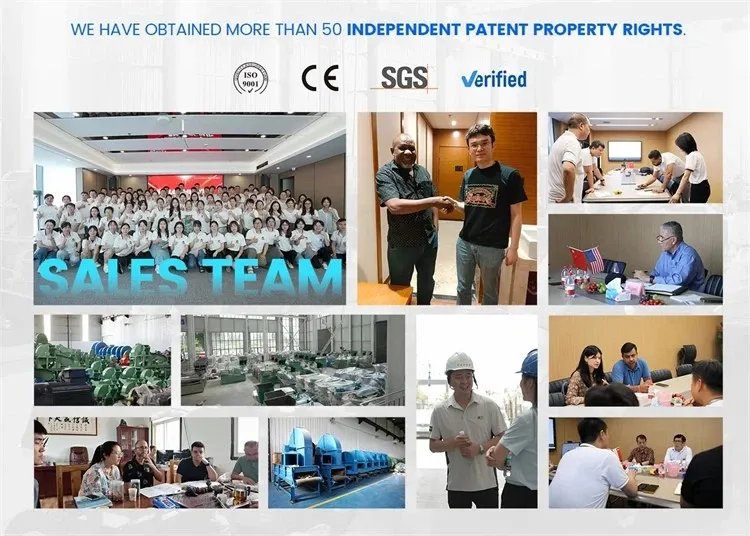
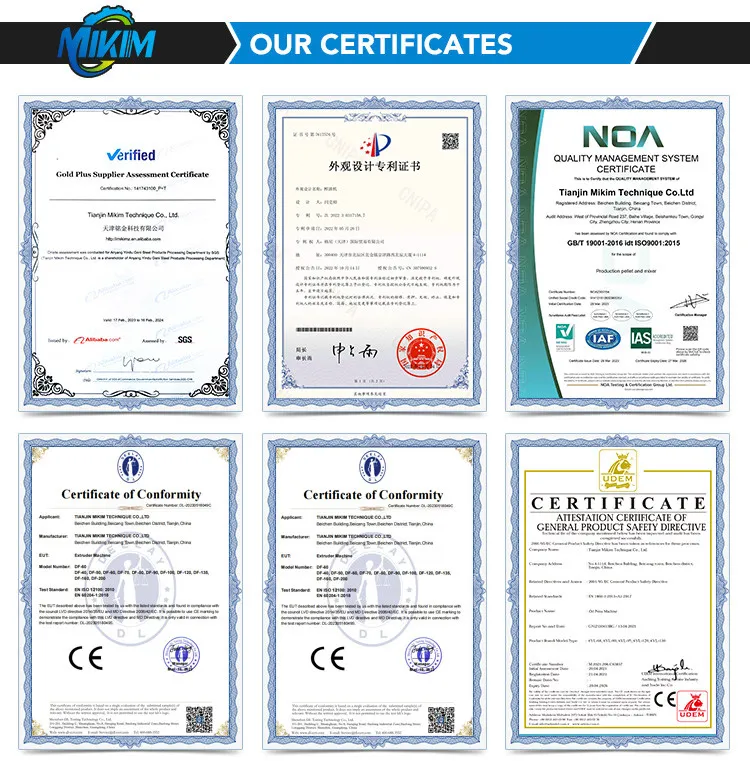
Mikim Machinery is a high-tech enterprise integrating scientific research, design, manufacture, installation and commissioning, and after-sales service. With over 20 years of industry expertise, we specialize in the design and production of feed machinery. Our products have obtained multiple certifications, including CE and ISO certifications.. Now we are mainly engaged in two fields: feed pellet machine production line (hammer mill-mixer-conveyor-feed pellet machine-cooling & vibration system-packing and sealing) and feed extruder production line (mixer-twin screw extruder machine-dryer-drum seasoning machine-cooling towers-packing machine).
certificate
FAQ
Q: What is a snack food production line?
Q: What is the working principle of a snack food production line?
Q: What are the different types of snack food production lines?
Q: What are the advantages of using a snack food production line?
Q: What factors should be considered when selecting a snack food production line?
Q: What is the difference between a dough extruder and a snack extruder?
Q: What is the role of the frying or baking machine in a snack food production line?
Q: What is the importance of product quality in snack food production?
Q: Can a snack food production line be used for custom product formulations?
Q: What safety measures should be taken when operating a snack food production line?
Q: Can a snack food production line be used for healthy snack production?
Q: What is the typical lifespan of a snack food production line?
Q: Can a snack food production line be customized for specific snack types?
Q: What is the role of the seasoning machine in a snack food production line?
Q: Can a snack food production line handle different types of materials?
Q: What maintenance is required for a snack food production line?
Q: Can a snack food production line be used for multi-product production?
Q: What is the role of the mixer in a snack food production line?
Q: Can a snack food production line be used for low-fat snack production?
Q: What is the difference between a laboratory-scale and an industrial-scale snack food production line?
We're professional snack food production line manufacturers and suppliers in China, specialized in providing high quality customized service. Please feel free to wholesale high-grade snack food production line made in China here from our factory.
banana chips production line, puffed food production line, Snack Food Production Line