


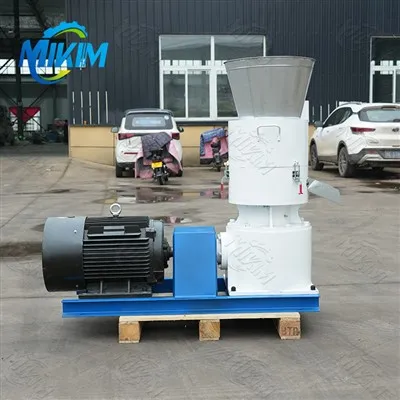
A feed pellet mill is an engineering device used to convert a mixture of raw materials into pellets of a consistent size and shape. It typically consists of a feed hopper, a pelletizing chamber, a die, and a roller. Raw materials, which may include grains, proteins, and additives, are fed into the hopper and gravity guides them into the pelletizing chamber. Here, the mixture is subjected to heat, pressure, and friction, causing it to form cohesive pellets that are then extruded through a die with holes of the desired pellet diameter. The pellets exit the die and are cut to length if required before being cooled and dried, ready for packaging and distribution as animal feed. The mill's design allows for precise control over the pelleting process, ensuring the final product meets nutritional and quality standards.
Advantages of Feed Pellet Mill
Improved Feed Quality
Pelletizing feed through a pellet mill ensures that the feed ingredients are uniformly mixed and compressed into a dense, durable pellet form. This process helps preserve the nutritional value of the ingredients, preventing separation and selective feeding by animals. The resulting pellets are consistent in quality, ensuring that animals receive a balanced diet with every meal.
Increased Digestibility
Pelletized feed is easier for animals to digest compared to loose or powdered feed. The compression process during pelletizing breaks down cell walls, releasing nutrients and making them more accessible to animals. This improved digestibility leads to better absorption of nutrients, promoting healthier growth and development in animals.
Reduced Waste
Pelletizing significantly reduces feed waste. Pellets are less prone to spillage and can be easily transported and stored without much loss. Animals also find it difficult to pick out individual ingredients from pelletized feed, ensuring that all components are consumed. This reduction in waste not only saves money but also contributes to environmental sustainability.
Enhanced Palatability
Pelletized feed often has improved palatability compared to loose feed. The pelletizing process can add flavors or coatings that make the feed more appetizing to animals. This increased palatability encourages animals to eat more, leading to better growth rates and overall health.
Extended Shelf Life
Pelletizing feed helps extend its shelf life by protecting it from moisture and other contaminants. The dense, compact structure of pellets makes them less permeable to air and moisture, reducing the risk of mold growth and spoilage. This extended shelf life allows for longer storage periods and better inventory management.
Cost-effectiveness
Despite the initial investment required for a pellet mill, it can prove to be a cost-effective solution in the long run. The improved feed quality, reduced waste, and increased digestibility lead to better animal performance and fewer health issues. This translates into higher profits for farmers and feed manufacturers.




Why Choose Us
Advanced Equipment
A machine, tool or instrument designed with advanced technology and functionality to perform highly specific tasks with greater precision, efficiency and reliability.
High Quality
Our products are manufactured or executed to a very high standard, using the finest materials and manufacturing processes.
Professional Team
Our professional team collaborates and communicates effectively with each other, and is dedicated to delivering high quality results. We are capable of handling complex challenges and projects that require our specialized expertise and experience.
Customized Services
We understand that each customer has unique manufacturing needs. That’s why we offer customization options to cater to your specific requirements.
One-stop Solution
At our manufacturing facilities, we provide a complete package that includes everything required to get you started, including training, installation and support.
24h Online Service
We try and respond to all concerns within 24 hours and our teams are always at your disposal in case of any emergencies.
Types of Feed Pellet Mill
Flat Die Pellet Mill
The flat die pellet mill features a flat metal die where the feed mixture is pressed. It is characterized by simple structure, easy operation, and relatively low investment cost. This type of pellet mill is often used for home-based animal feeding or small-scale commercial production. However, it might have limitations in terms of capacity and durability for large-scale operations.
Ring Die Pellet Mill
This type of pellet mill is more commonly used in medium to large-scale feed production facilities. The ring die is a hollow cylinder with dies around the inner circumference, which allows for continuous production. The design of the ring die pellet mill allows for higher production rates and better durability under continuous use.
Manual Pellet Mill
Manual pellet mills are operated by hand and are suitable for small-scale personal use or demonstration purposes. They are typically less expensive than motorized pellet mills but are much less efficient and are limited by the physical strength of the operator.
Horizontal Feed Pellet Mill
Horizontal pellet mills feature a horizontal orientation for the feedstock as it moves through the machine. This design facilitates the production of various feed forms, including mash, pellet, and crumble. Horizontal mills are versatile and are often found in commercial feed production plants.
Vertical Feed Pellet Mill
Vertical pellet mills are less common and operate with the feedstock moving in a vertical direction. This type of mill is usually smaller and more compact, making it suitable for small to medium-scale operations. However, vertical mills may not be as efficient as horizontal models in terms of throughput.
Combination Pellet Mill
These mills combine the features of both flat die and ring die designs, offering the advantages of both systems. They can handle various raw materials and are adaptable to different production needs. Combination pellet mills are favored for their versatility and robustness.
Mobile Pellet Mill
Mobile pellet mills are designed for flexibility and can be transported to different locations. This type of mill is especially useful for farmers who want to produce feed on-site or for emergency situations where feed supply is disrupted.
Industrial Pellet Mill
Designed for industrial-scale production, these pellet mills have high capacities and can operate continuously for extended periods. They incorporate advanced technologies for efficiency and are built to withstand rigorous use in large-scale feed manufacturing operations.
How to Store Feed Pellet Mill
Dry Conditions
Moisture is the enemy of feed pellets; it can lead to mold growth, clumping, and degradation of nutritional content. Therefore, it's crucial to store pellets in a dry environment with low humidity levels. If possible, use a storage facility with good ventilation to further reduce the risk of moisture accumulation.
Temperature Control
Maintaining an even, moderate temperature is important for preserving the integrity of feed pellets. Extreme temperatures can cause the pellets to degrade, affecting their quality and palatability. Avoid storing pellets in direct sunlight or near heat sources that could raise the temperature of the storage area.
Protection From Pests And Contaminants
To prevent infestations by rodents, birds, and insects, ensure that the storage area is securely sealed and that there are no gaps or holes in the walls, floors, or ceilings. Additionally, keep pellets away from potential contaminants like chemicals or spoiled feed.
Proper Packaging
Use airtight bags or containers to package the pellets. If bags are used, they should be made of durable materials that resist tears and punctures. Overfilling bags should be avoided to prevent bulging, which can lead to tears and allow moisture ingress.
Stacking And Handling
When stacking bags or boxes of pellets, make sure they are stable and won't tip over. Avoid stacking too high, which can lead to collapse or difficulty in accessing lower levels. Use pallets or shelves to elevate stacks off the floor to prevent contact with moisture.

Application of Feed Pellet Mill
The primary application of feed pellet mills is in the production of nutritious and palatable animal feeds. Pelleted feeds are easier for animals to consume and digest, leading to improved growth rates and health. The uniformity and density of pellets ensure that animals receive a consistent and balanced diet, which is critical for their development and productivity. Pelleted feeds have a lower rate of spoilage compared to loose feeds, making them ideal for long-term storage and transportation over long distances. The compact nature of pellets minimizes the risk of spoilage during transit, ensuring that the nutritional value of the feed is maintained upon arrival at the farm or feedlot. Feed pellet mills play a significant role in the commercial production of animal feeds. In large-scale feed manufacturing plants, these mills are integrated into automated production lines to produce pellets in bulk quantities. The ability to produce large volumes of pellets efficiently makes them suitable for meeting the demands of the agricultural sector. Smaller-scale feed pellet mills enable farmers to produce their own feeds on-farm. This approach reduces the need for purchasing pre-made feeds, lowers transportation costs, and provides farmers with greater control over the nutritional content of their feeds. On-farm production of pellets also contributes to sustainable agriculture practices by reducing waste and minimizing the environmental impact of feed transportation. Feed pellet mills are versatile enough to produce specialty feeds tailored to the specific nutritional requirements of different animal species. For example, aquaculture feeds, pet foods, and even organic or non-GMO feeds can be produced using these mills. The ability to customize pellet production allows for the creation of specialized diets that cater to the unique needs of various animals. In times of crisis or natural disasters, feed pellet mills can be deployed to quickly produce emergency feeds for affected livestock. This ensures that animals receive the nutrition they need during difficult times, helping to maintain their health and productivity despite challenging circumstances.
Precautions When Using Feed Pellet Mill
Determine Your Needs
Before considering any pellet mill, assess your production volume. Are you looking to produce feed for personal use, small-scale commercial purposes, or large-scale operations? The size of your operation will largely dictate the type and capacity of the pellet mill you require.
Capacity Requirements
Calculate how many tons of feed you aim to produce daily or weekly. Mills come with different capacities ranging from a few kilograms per hour to several tons per hour. Ensure that the chosen mill can handle your current and future production demands.
Quality Of Output
Consider the quality of pellets you desire. Some mills produce finer, more uniform pellets, which are often preferred for better digestibility. Others might produce coarser pellets suitable for certain animals or applications. Assess the pellet quality based on the needs of your target animal species.
Energy Efficiency
Look for mills with good energy efficiency ratings. Energy consumption is a significant factor in the operational costs of a pellet mill. A more energy-efficient model can lead to substantial savings in the long run, especially if you plan to produce a large volume of pellets.


Maintenance And Durability
Investing in a durable mill with minimal maintenance requirements can save you time and money in the long term. Consider the material of construction, expected lifespan, and availability of spare parts. Mills made from high-quality materials like steel are generally more durable and reliable.
Technology And Automation
Evaluate the level of automation and technology offered by different mills. While manual mills are cheaper and simpler, automated mills can increase production speed and accuracy. Advanced technology may include digital controls, automatic adjustments for die changes, and real-time monitoring of the pelletizing process.
Feed Materials
Consider the type of feed materials you intend to pelletize. Different mills are designed to handle various raw materials, such as grains, grasses, or by-products. Make sure the mill you choose can process the specific feed ingredients you plan to use.
Additional Features
Some pellet mills come with additional features like coolers, sieves, and conveyors that can enhance productivity and the quality of the final product. Evaluate whether these extra features justify the added cost and complexity for your operation.
Dry Extrusion
This method involves pressing raw materials through a die at high pressure without the addition of water or steam. It is suitable for feeds with low oil content and requires less energy than wet extrusion. However, the resulting pellets may have reduced durability and may break more easily during handling and transport.
Expelled Or Hot Extruded Pelletizing
In this process, raw materials are mixed with a small amount of water or steam and then heated to a specific temperature to initiate gelatinization. This makes the starch in the feed sticky, allowing the particles to bond together when pressed through the die. Expelled pelletizing results in a denser and more durable pellet, ideal for feeds with higher oil content.
Cooled And Dried
After the raw materials are pressed into pellets, they often require cooling to bring down their temperature to a safe level for storage and handling. Cooling is usually done in a cooler or on a screen where air can circulate around the pellets. Drying may also be necessary if the raw materials contain a significant amount of moisture.
Steam Flaking
This method is particularly useful for cereal grains. The grains are soaked in water and then steamed before being flaked into flat pieces. These flakes can then be used as part of a complete feed formulation or as a standalone feed. Steam flaking increases the surface area of the grain, improving digestibility.
Cooled And Crumbler
For larger pellets, a crumbler may be used after the pelletizing process to break them into smaller sizes. The crumbled pellets are then cooled to prevent moisture absorption and ensure they meet the desired size specification for the intended animal species.
Additives And Premixes
During the production process, various additives and premixes may be included to enhance the nutritional value of the pellets. These can include vitamins, minerals, amino acids, and other feed additives that are uniformly blended with the base ingredients prior to pelletization.
What Are the Components of Feed Pellet Mill
Hopper And Auger
The hopper is a container from which the raw materials are fed into the pellet mill. An auger (screw conveyor) is often used to transfer the materials from the storage to the hopper and then into the pelletizing chamber.
Conditioner
In many pellet mills, the conditioner is used to add water or steam to the raw materials to achieve the correct moisture content for optimal pellet formation. This step is crucial for the binding process that occurs during pelleting.
Pellet Mill Die
The die is a metal disc with holes through which the raw materials are pressed during the pelleting process. These holes are typically circular but can be customized to create pellets of various shapes and sizes.
Pellet Mill Roller (paddle) Or Pin
As the roller presses against the die, it forces the conditioned raw materials through the holes to form pellets. The roller design can vary, with some featuring paddles or pins to improve the cutting and shaping of the pellets.
Cutter Or Pelletizer
Sometimes, the pellets may need to be cut to achieve the desired length. A cutter is used to trim off any excess material protruding from the die holes.
Cooler
After pelleting, the pellets are usually hot and need to be cooled before they can be packaged or further processed. The cooler helps reduce the temperature of the pellets and maintains their quality.
Screener Or Sieve
Once cooled, the pellets may contain fines or irregularly shaped pieces. The screener is used to separate these substandard pellets from the rest, ensuring that only high-quality pellets are sent for storage or packaging.
Conveyor System
Conveyors are used to transport the pellets from the pellet mill to the cooler, screener, and ultimately to storage or packaging. These systems can be belt conveyors, screw conveyors, or a combination of both, depending on the layout and design of the mill.
Control System
Modern feed pellet mills are equipped with advanced control systems that allow operators to monitor and adjust various parameters of the pelleting process, such as temperature, moisture, and speed, to optimize production quality and efficiency.
What Materials Can Be Processed Using a Feed Pellet Mill?
Grains
Grains such as corn, wheat, barley, oats, and sorghum are staple ingredients in animal feed. They provide a rich source of carbohydrates and energy. When processed through a pellet mill, these grains are first ground into meal and then mixed with other ingredients before being pelletized.
Protein Sources
Soybean meal, fish meal, and canola meal are examples of protein sources that can be pelletized. These materials are critical in providing the necessary amino acids for the growth, maintenance, and reproduction of animals. The protein source is usually mixed with grains and other nutrients to form a complete feed pellet.
Fibrous Materials
Materials like beet pulp, citrus pulp, andalfalfa meal are fibrous by-products from the food industry. These fibrous materials can be pelletized to provide dietary fiber for ruminants and other animals, which is beneficial for digestion and gut health.
Oils And Fatty Acids
Although oils and fats are not directly pelletized, they are often included in the formulation of feed pellets to add extra energy and essential fatty acids. The fat content is usually added to the raw material mix before pelleting to ensure even distribution within the pellet.
Minerals And Vitamins
Micronutrients such as minerals (e.G., calcium, phosphorus, salt) and vitamins are crucial for the proper functioning of animals' bodies. These are often premixed with other ingredients in a concentrated form known as a premix before being pelletized to ensure uniformity in the final feed.
By-products
Agricultural by-products like brewery grains, distillers dried grains, and rice bran can be pelletized. These by-products are valuable feed resources that can be converted into pellets to make them easier to handle and store.
Specialty Ingredients
Some feed pellet mills are designed to handle specialty ingredients such as yeast cultures, probiotics, and enzymes. These additives are often included in the feed to promote gut health, improve feed efficiency, and enhance overall animal performance.
Commodity Blends
Feed manufacturers often blend different commodities and by-products to create customized diets based on the nutritional requirements of the target animal species. These blends are then pelletized to ensure a consistent and palatable feed product.
For low-fat feed production, it is essential to select raw materials with inherently low fat levels. These might include grains like corn and sorghum, as well as plant proteins and various fibrous materials. The composition of the raw materials will directly impact the final fat content of the pellets. Proper formulation is crucial to achieve the desired fat content in the pelleted feed. This involves balancing the nutritional requirements of the target animal with the natural fat content of the chosen raw materials. If additional fat is required, it can be added in the form of supplements or premixes. However, for low-fat feeds, such additions would be minimal. In the conditioning phase, the raw material mixture is moistened to facilitate better binding during the pelletizing process. For low-fat feeds, it is important to maintain an appropriate moisture level that avoids excessive gelatinization of starches, which could lead to higher fat contents due to increased binding. The conditioned feed mixture is then fed into the pellet mill, where it is compressed through a die at high pressure. During this step, the natural binding properties of the ingredients are leveraged to form solid pellets. For low-fat feeds, the pressure and temperature settings must be optimized to ensure proper bonding without causing excessive fat migration or incorporation within the pellet structure. Freshly made pellets are hot and can lose some of their nutritional value if not promptly cooled. Cooling also prevents the pellets from absorbing moisture from the environment, which can lead to the degradation of their low-fat characteristics.Once cooled, the pellets may be screened to remove fines and ensure uniformity of size. Any additional finishing processes, such as coating with a non-fat supplement for palatability, can be applied at this stage to enhance the feed's appeal to the target animal without affecting its low-fat status.
Our factory
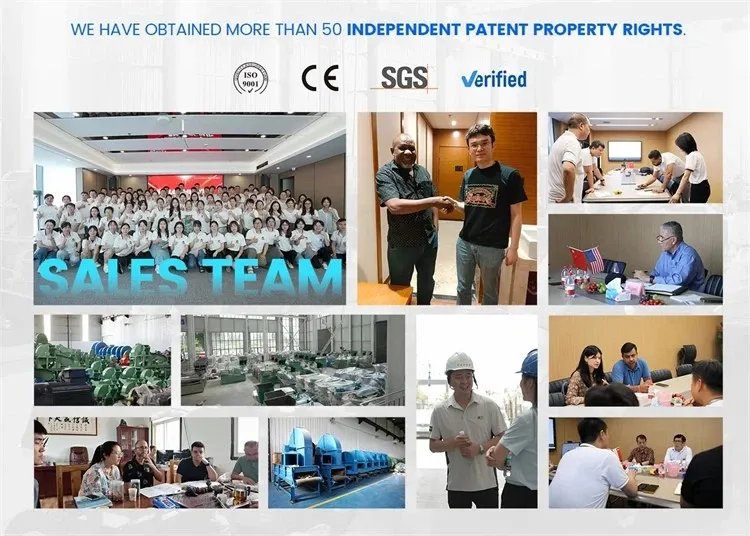
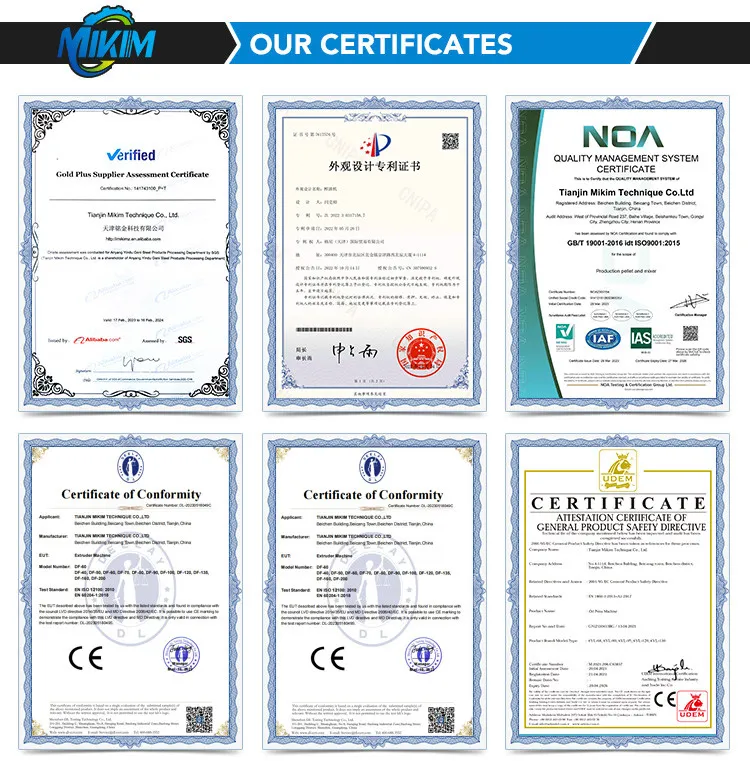
Mikim Machinery is a high-tech enterprise integrating scientific research, design, manufacture, installation and commissioning, and after-sales service. With over 20 years of industry expertise, we specialize in the design and production of feed machinery. Our products have obtained multiple certifications, including CE and ISO certifications. Now we are mainly engaged in two fields: feed pellet machine production line (hammer mill-mixer-conveyor-feed pellet machine-cooling & vibration system-packing and sealing) and feed extruder production line (mixer-twin screw extruder machine-dryer-drum seasoning machine-cooling towers-packing machine).
certificate
FAQ
Q: What is a feed pellet mill?
Q: What is the working principle of a feed pellet mill?
Q: What are the different types of feed pellet mills?
Q: What are the advantages of using a feed pellet mill?
Q: What factors should be considered when selecting a feed pellet mill?
Q: What is the difference between a flat die pellet mill and a ring die pellet mill?
Q: What is the role of the conditioner in a feed pellet mill?
Q: What is the importance of pellet quality in animal feed production?
Q: Can a feed pellet mill be used for custom feed formulations?
Q: What safety measures should be taken when operating a feed pellet mill?
Q: Can a feed pellet mill be used for high-protein feed production?
Q: What is the typical lifespan of a feed pellet mill?
Q: Can a feed pellet mill be customized for specific feed types?
Q: What is the role of the pellet chamber in a feed pellet mill?
Q: Can a feed pellet mill handle different types of materials?
Q: What maintenance is required for a feed pellet mill?
Q: Can a feed pellet mill be used for low-cost feed production?
Q: Can a feed pellet mill be used for low-fat feed production?
Q: What is the difference between a laboratory-scale and an industrial-scale feed pellet mill?
Q: Can a feed pellet mill be used for allergen-free feed production?
We're professional feed pellet mill manufacturers and suppliers in China, specialized in providing high quality customized service. Please feel free to wholesale high-grade feed pellet mill made in China here from our factory.
pellet grinder machine, rabbit pellet maker, chicken meal making machine