

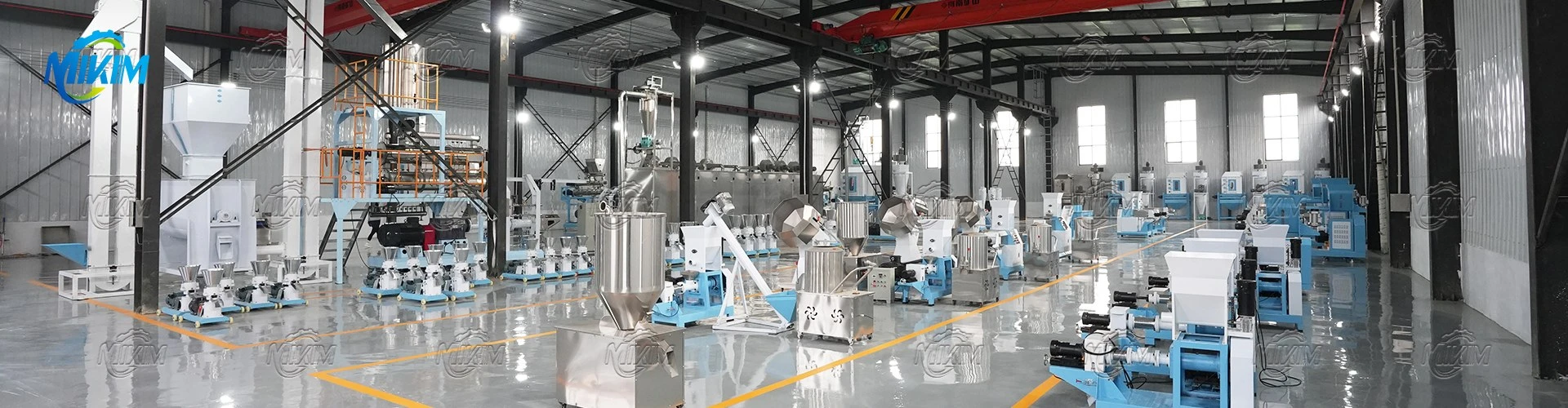
A feed pellet machine is an agricultural engineering device used to manufacture livestock feed in the form of pellets. These machines compress various ingredients, such as grains, brans, meals, and additives, into small, consistent pellets suitable for animals like poultry, fish, cattle, and swine. The pelletizing process enhances palatability, digestibility, and storage longevity of the feed, while reducing waste. Available in different sizes and capacities, these machines are crucial for both large-scale feed mills and smaller, on-farm operations, ensuring a balanced diet for a variety of livestock species.
Advantages of Feed Pellet Machine
Uniformity And Consistency
Feed pellet machines produce pellets of uniform size and shape, ensuring consistency in feed quality. This uniformity is beneficial for animals as it ensures they receive the same amount of nutrients in each pellet, promoting better growth and health.
Improved Feed Utilization
Pelletizing raw materials increases their density and bulk density, making them more digestible for animals. The pelleting process also destroys anti-nutritional factors and reduces dustiness, which further improves feed utilization. This results in better feed conversion rates and lower feed costs for farmers.
Convenience And Portability
Feed pellets are compact and easy to handle, making them convenient for storage and transportation. They occupy less space, reducing the need for large storage facilities. Additionally, pellets are easy to load and unload, saving time and labor during feeding operations.
Extended Shelf Life
Pelletizing raw materials extends their shelf life by protecting them from moisture, oxygen, and microbial contamination. This preserves the nutritional value of the feed and ensures its safety for animals. The longer shelf life also reduces waste and improves feed management for farmers.
Reduced Dust And Spillage
Feed pellet machines produce pellets with a smooth surface and tight structure, reducing dust and spillage during handling and feeding. This not only improves the cleanliness of the feeding area but also reduces feed waste, saving farmers money.
Enhanced Animal Health
Pellets are less prone to mold growth and contamination compared to loose feed. This reduced risk of moldy feed helps maintain animal health and reduces the incidence of diseases caused by mold toxins. Additionally, pellets can be formulated to include specific additives that enhance animal health and performance.


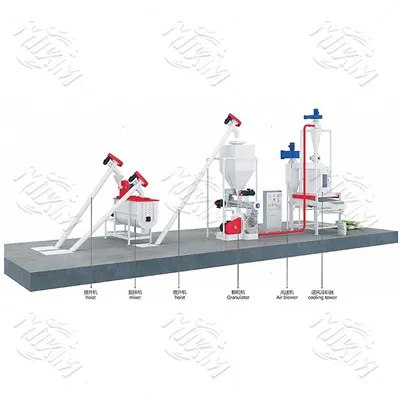


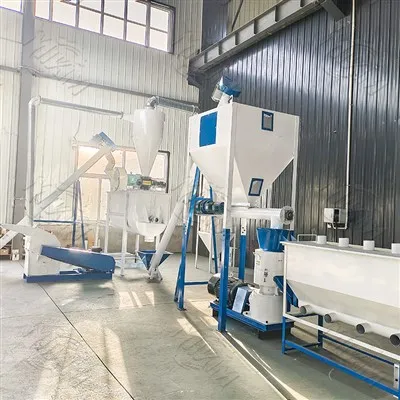

Why Choose Us
Advanced Equipment
A machine, tool or instrument designed with advanced technology and functionality to perform highly specific tasks with greater precision, efficiency and reliability.
High Quality
Our products are manufactured or executed to a very high standard, using the finest materials and manufacturing processes.
Professional Team
Our professional team collaborates and communicates effectively with each other, and is dedicated to delivering high quality results. We are capable of handling complex challenges and projects that require our specialized expertise and experience.
Customized Services
We understand that each customer has unique manufacturing needs. That’s why we offer customization options to cater to your specific requirements.
One-stop Solution
At our manufacturing facilities, we provide a complete package that includes everything required to get you started, including training, installation and support.
24h Online Service
We try and respond to all concerns within 24 hours and our teams are always at your disposal in case of any emergencies.
Types of Feed Pellet Machine
Flat Die Pellet Mill
This type of pellet mill is ideal for small-scale operations, such as farms or small-sized feed mills. It features a flat steel die with raised edges, through which the feed mixture is pressed. The extrusion process forms pellets as the material passes through the holes in the die. Flat die pellet mills are known for their simplicity, ease of use, and relatively low cost. However, they may have limitations in terms of capacity and are typically less energy-efficient compared to other types.
Ring Die Pellet Mill
Ring die pellet mills are more advanced and suitable for medium to large-scale industrial applications. They utilize a circular die with holes around its circumference, through which the feed is pressed by a powerful roller. These machines are capable of producing higher volumes of pellets and are more energy-efficient due to their design, which allows for continuous operation. Ring die pellet mills are preferred for their durability, longer service life, and ability to handle a wide range of raw materials.
Crane Type Pellet Mill
Also known as a tower-type pellet mill, this machine is designed for vertical operation, taking up less floor space. It combines elements of flat die and ring die designs, featuring a vertical ring die. Crane type pellet mills are versatile and can be adapted to various production needs, making them suitable for both small and large operations. They offer improved efficiency and can produce pellets with consistent quality.
Disc Pellet Mill
Disc pellet mills are another type of pelletizing equipment commonly used in the feed industry. They feature a rotating disc-shaped die with holes that extrude the pellets. This design allows for even distribution of pressure and heat, resulting in uniform-sized pellets. Disc pellet mills are favored for their compact structure, ease of operation, and relatively low noise levels.
High-pressure Pellet Mill
These machines are engineered for heavy-duty applications, capable of producing extremely dense and hard pellets. They employ a high-pressure roll system to compress the feed into pellets, which makes them particularly useful for materials that require high-density pellets. High-pressure pellet mills are often found in large commercial feed plants that demand high production rates and superior pellet quality.
How to Store Feed Pellet Machine
Cleaning and maintenance before storage
Before storing the machine, it should be thoroughly cleaned to remove any residual feed, dust, or debris. Use a brush and vacuum to clean the interior and exterior surfaces. Lubricate all moving parts according to the manufacturer's recommendations to prevent rust and seizing. Check the electrical components and connections for any signs of damage and ensure they are dry and secure.


Drying and moisture control
Moisture is one of the biggest threats to stored machinery. Ensure that the pellet machine is completely dry before storage. If the machine is wet, allow it to air dry completely or use drying agents as necessary. During storage, maintain a dry environment to prevent rust and corrosion. Use desiccants or place the machine in a climate-controlled storage area if possible.
Protection against environmental elements
Cover the pellet machine with a breathable, weather-resistant cover to protect it from rain, snow, dirt, and sun exposure. If the machine will be stored outdoors, consider constructing a covered shed or canopy to shield it from the elements. Ensure that the area is free from pests and vermin that could cause damage.


Secure storage location
Choose a stable, level surface for storage to prevent the machine from tilting or falling over. If the machine is heavy, use blocks or stands to support it securely. Store the machine in a location that is easily accessible for routine inspections but protected from unauthorized use or tampering.
Regular inspections
Even when stored, it's important to conduct regular inspections to check for any signs of deterioration or damage. Look for rust, corrosion, rodent activity, or any indication that the protective measures may be failing. Addressing these issues promptly can prevent costly repairs or replacements later on.


Preparation for use
Before using the machine after storage, perform a thorough inspection and conduct any necessary maintenance procedures. This might include replacing worn parts, lubricating moving parts, and testing the electrical system. Ensure that the machine is in good working condition before resuming operations to avoid accidents or downtime.
Application of Feed Pellet Machine
Livestock Feed Production
One of the primary applications of feed pellet machines is in the production of livestock feed. Whether for poultry, cattle, pigs, or sheep, these machines can process various ingredients, including grains, protein meals, and additives, into pellets that are easier for animals to consume and digest. The uniform shape and size of pellets ensure consistent intake, which is beneficial for growth, weight gain, and overall animal health.
Aquaculture Feed Formulation
In aquaculture, feed pellet machines play a vital role in producing fishmeal that meets the nutritional requirements of fish and shrimp. The pellets produced are buoyant, which allows them to float on water, ensuring that the feed remains available to the aquatic animals for a certain period. This controlled release of nutrients is crucial for optimizing growth and reducing waste.
Pet Food Manufacturing
The pet food industry heavily relies on feed pellet machines to produce kibble for dogs, cats, and other pets. The machines can incorporate different textures and shapes to cater to specific dietary preferences or nutritional needs. By extruding the feed at high temperatures and pressures, manufacturers can also achieve desired shelf-life characteristics and enhance palatability.
Pelleting Of Silage And Forage
Forage pelleting is another application where feed pellet machines are employed. By converting hay, straw, or silage into pellets, farmers can improve the storage and handling of these products. Pelleted forage has a lower bulk density, making it easier to transport and feed to livestock. Additionally, the process can increase the nutritional value and palatability of the forage.
Organic And Natural Feed Production
With the increasing demand for organic and natural animal feeds, feed pellet machines are used to produce pellets from certified organic raw materials. These machines can maintain the integrity of organic ingredients during the pelleting process, ensuring that the final product adheres to strict organic standards.
Research And Development
Feed pellet machines are also utilized in research settings to develop new feed formulations or to test the effects of different processing parameters on pellet quality. Researchers can use these machines to produce small batches of specialized feeds tailored for specific experiments or trials.
Customized Feed Solutions
Feed pellet machines allow for the customization of feed according to the specific needs of individual animals or herds. This flexibility enables producers to optimize diets for maximum performance and health while minimizing waste.
Precautions When Using Feed Pellet Machine
Machine Inspection
Before starting the machine, inspect it for any visible defects, loose parts, or foreign objects that could cause interference. Ensure that all guards and safety devices are in place and functioning correctly.
Clear Workspace
Make sure the workspace around the pellet machine is clear of debris and obstacles that could cause trips, falls, or entanglement with moving parts. Keep a safe distance between yourself and the machine while it's in operation.
Read Instructions
Familiarize yourself with the operation manual and understand the specific instructions for your model of the feed pellet machine. Never operate the machine outside the recommended parameters or attempt to modify the machine without proper training or authorization.
Proper Material Handling
Use caution when adding raw materials to the hopper to prevent overflow or blockages. Do not force-feed materials into the machine, as this can cause jams or kickbacks, which can lead to injury.
Electrical safety
Ensure that the electrical supply matches the requirements of the machine and that all connections are secure and free from damage. Avoid water accumulation near electrical components to prevent electrocution hazards.
Start-up procedure
Always follow the correct start-up procedure, which typically includes turning on the power, setting the machine to the appropriate settings, and gradually increasing the speed once the machine has reached operational temperature.
Shutdown protocol
When finished using the machine, turn off the power and allow the machine to come to a complete stop before performing any maintenance or cleaning tasks. Follow the shutdown protocol outlined in the user manual to avoid damage or injury.
Maintenance schedule
Adhere to a regular maintenance schedule to keep the machine in good working condition. This includes cleaning, lubrication, and inspection of critical components. Replace worn parts promptly to prevent malfunctions.
How Do I Choose the Right Feed Pellet Machine
Consider The Type Of Raw Materials:Feed pellet machines are designed to work with different types of raw materials, including grains, grasses, wood shavings, and other fibrous materials. Some machines are better suited for softer materials, while others are designed for harder or more abrasive inputs. Make sure the machine you choose can handle the specific raw materials you plan to pelletize.
Evaluate Power Options:Feed pellet machines can be powered by electricity, diesel, or even biomass energy sources like biogas. Consider the availability and cost of these power sources in your area. Electric machines are typically quieter and cleaner but might not be feasible in remote locations without reliable power. Diesel machines offer portability and independence from the grid but come with fuel costs and emissions.
Assess Capacity And Efficiency:Look at the machine’s rated output capacity to ensure it aligns with your production targets. Also, consider the machine’s efficiency, including its power consumption, heat distribution during pelleting, and any additional features that might enhance productivity, such as automatic feeders or advanced control systems.
Check Machine Quality And Build:The construction material and quality of the machine can significantly impact its longevity and reliability. Opt for machines made from durable materials with strong frames and robust components. Well-engineered machines will have fewer maintenance issues and downtime.
Consider Additional Features:Some feed pellet machines come with additional features that can add value to your operation. These might include automated control panels for ease of operation, cooling systems to remove excess heat from the pellets, and pellet die changes that allow for varying pellet sizes. Assess whether these features are worth the extra cost based on your specific needs.
Look At After-sales Service And Support:Choose a reputable manufacturer or dealer that provides reliable after-sales service. This includes access to spare parts, technical support, and possibly training on operating and maintaining the machine. Good customer service can save you time and money in the long run.
Production Methods of Feed Pellet Machine


Dry Extrusion Pelletizing
This method involves the extrusion of feed through a die using high friction and pressure applied by a rotating roller. The raw material mixture is dried to a certain moisture content before being fed into the pellet mill. The heat generated during the process helps to gelatinize the starches, resulting in strong, hard pellets. This method is particularly suited for cereal grains and other feed ingredients with higher starch content.
Wet Extrusion Pelletizing
Wet extrusion is a more intensive process where the feed ingredients are mixed with water to create a mash with a higher moisture content. The mash is then extruded through a die under high pressure and temperatures exceeding 100°c. This method is often used for aquatic feeds and pet foods where improved digestibility and palatability are desired. The extruder also serves to deactivate anti-nutritional factors and improve the nutritional value of the feed.
Cooled Pelletizing
In this method, the pellets are formed at relatively low temperatures and then passed through a cooling stage. The raw materials are pre-mixed and conditioned with steam or water to achieve the right moisture content before being pelletized. After pelleting, the hot pellets are cooled to prevent moisture absorption and ensure stability during storage. This method is suitable for feeds that might degrade at higher temperatures, such as those with a high fat or fiber content.
Direct Expansion Pelletizing
Direct expansion involves conditioning the feed with a minimal amount of water and then immediately pelletizing it. The process relies on the natural binding properties within the feed ingredients to form the pellets. This method is often used for fibrous feeds like grass clippings oralfeeds that are less prone to thermal degradation.
Steam Flaking
Although not a traditional pelletizing process, steam flaking involves the pre-treatment of grains like corn or sorghum. The grains are steamed to increase their moisture content and then flaked between rollers in a pellet mill. This process creates flaked products that are softer than pellets but still serve as an excellent source of energy for animals.
What Are the Components of Feed Pellet Machine
Feed Hopper
The feed hopper is the initial part of the machine where raw materials are loaded. It serves as a storage area, allowing for a continuous flow of materials into the pelleting chamber. The design of the hopper often includes a mechanism to ensure an even distribution of feed to prevent blockages or uneven pellet formation.
Drive Unit
The drive unit, usually comprising an electric motor or diesel engine, provides the necessary power to operate the machine. The motor's power rating directly correlates with the machine's capacity and throughput. It is connected to the transmission system that converts the rotary motion of the motor into the linear pushing force required for pelleting.
Auger (screw conveyor)
An auger, or screw conveyor, is a helical screw inside the main body of the pellet machine. As the motor powers the auger, it pushes the mixed raw materials through the die. The pitch, diameter, and length of the auger are designed to apply the correct amount of pressure and friction to transform the mash into pellets.
Die
The die is a perforated metal plate with holes of the desired pellet size. The auger forces the material through these holes, creating the pellets. The die's quality and hardness are critical, as they must withstand the high pressure and friction generated during the pelleting process without deforming or wearing out prematurely.
Transmission System
This system, which may include gearboxes, belts, or chains, ensures that the power from the drive unit is transferred effectively to the auger and die. The transmission system's design affects the machine's energy efficiency and its ability to maintain a consistent pelletizing process.
Feed Rollers
In some pellet machines, especially those designed for larger-scale production, additional rollers are used to feed the materials uniformly into the die. These rollers help regulate the rate at which materials pass through the die, ensuring consistent pellet size and density.
Cooling System
Once the pellets are formed, they are often too hot for storage or transportation. A cooling system, usually consisting of a cooler or air blower, is used to reduce the pellets' temperature to prevent moisture condensation and preserve quality.
Pellet Discharge
This component is responsible for collecting the formed pellets and guiding them out of the machine. It may include a vibrating screen to separate the pellets from any fines or uncooked materials and a conveyor belt to transport the pellets to the cooling system or storage.
Control Panel
Modern feed pellet machines often come with a control panel that allows the operator to adjust settings such as the machine's speed, temperature, and pressure. This panel can significantly enhance the machine's versatility and ease of operation.
The working principle of a feed pellet machine revolves around the transformation of granular or powdery raw materials into consistent, rod-shaped pallets through a process of mechanical compression. At the heart of the pelletizing process lies the application of heat and pressure. As the raw material, typically a mix of grains, proteins, minerals, and additives, enters the feed hopper, it is gravity-fed into the pelletizing chamber. Within this chamber, the material encounters the rotating die, which is the central component in the creation of pellets. The die, perforated with holes of a specific diameter, is designed to withstand the immense pressure exerted by the rotating screw, or auger. As the auger turns, it conveys the material toward the die. The pressure and friction build as the material is forced through the die's holes, compacting and heating it. This combination of pressure and heat causes the raw materials to fuse together, forming a cohesive mass. The fusion of the material is due in part to the gelatinization of starches and the melting of fats, which occur under the high pressure and temperatures generated in the die. These changes in the physical state of the materials result in a solidified pellet with improved durability and stability compared to the original raw material. As the pellets exit the die, they are often hot and soft. To ensure their structural integrity and prevent moisture absorption, which could lead to spoilage or reduced palatability, they are quickly cooled. This cooling process can involve a series of air blowers or a water bath, depending on the design of the pellet machine and the desired final product characteristics.The final step in the pelletizing process is the collection and sorting of the pellets. Any fines or partially formed pellets are removed, and the remaining intact pellets are collected for packaging or storage. The size, shape, and density of the pellets are all determined by the settings of the machine, including the speed of the auger, the temperature within the chamber, and the size of the holes in the die.
What Is the Role of the Cutter in a Feed Pellet Machine?
The cutter, also known as a knife or cutter wheel, within a feed pellet machine plays a vital role in the production of uniform pellets. Its primary function is to cut the extruded feed to the desired length, ensuring that each pellet is consistent in size and shape. This aspect is critical for both the palatability of the feed and the ease of handling and storage. As the raw material mix is pushed through the die of the pellet mill, it forms strands of feed. If left uncut, these strands could be too long for practical use, making them difficult to package, dispense, and manage in feeding situations. The cutter solves this problem by slicing the extruded strands at precise intervals, generating pellets of a specific length that are optimized for the feeding requirements of various animals. The design of the cutter typically involves a set of sharp blades arranged around a rotating wheel. As the blades come into contact with the extruded feed, they slice through it cleanly, producing neat and consistent pellets. The rotational speed of the cutter wheel is synchronized with the output of the auger and the die to ensure that the pellets are cut at the right moment and length. The sharpness and condition of the cutter blades are paramount to the quality of the pellets produced. Dull or damaged blades can result in irregularly shaped pellets or excessive fines—small particles that can compromise the overall quality of the feed. Therefore, regular maintenance and replacement of the cutter blades are essential to maintaining the optimal performance of the pellet machine. Moreover, the cutter can also play a role in breaking any agglomerations that might form within the pellet stream. These agglomerations can occur due to over-compression of the feed or inconsistencies in the raw materials. The cutter blades can effectively slice through these clumps, ensuring that all pellets meet the desired specifications.
Our factory
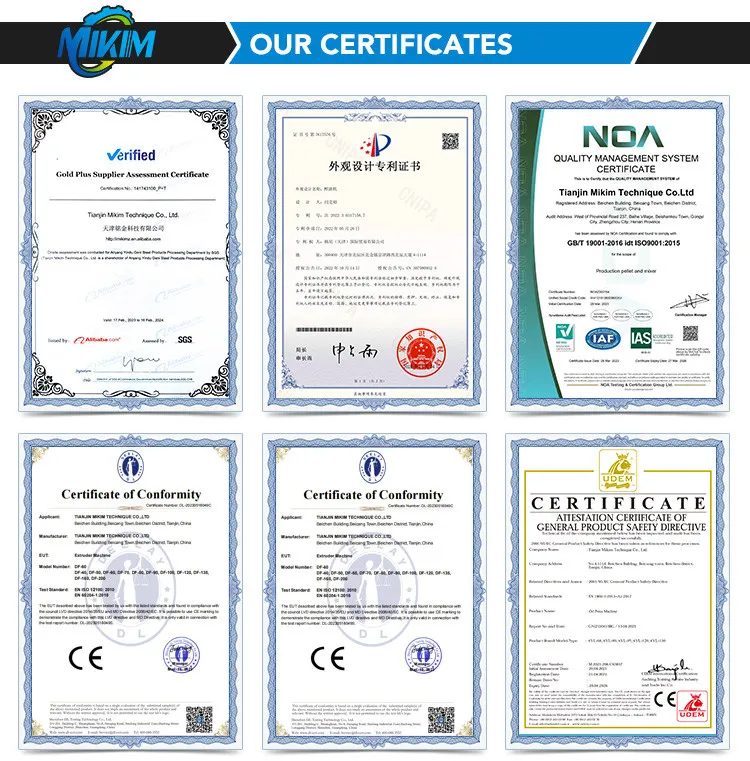
Mikim Machinery is a high-tech enterprise integrating scientific research, design, manufacture, installation and commissioning, and after-sales service. 13 years have been dedicated to the design and production of the feed machinery industry, which has passed many certificates such as CE, ISO, etc. Now we are mainly engaged in two fields: feed pellet machine production line (hammer mill-mixer-conveyor-feed pellet machine-cooling & vibration system-packing and sealing) and feed extruder production line (mixer-twin screw extruder machine-dryer-drum seasoning machine-cooling towers-packing machine).

certificate
FAQ
Q: What is a feed pellet machine?
Q: What is the working principle of a feed pellet machine?
Q: What are the different types of feed pellet machines?
Q: What are the applications of feed pellet machines?
Q: What is the difference between a flat die and a ring die pellet mill?
Q: What is the role of the conditioner in a feed pellet machine?
Q: What is the importance of pellet quality in animal feed production?
Q: Can a feed pellet machine be used for organic feed production?
Q: What safety measures should be taken when operating a feed pellet machine?
Q: Can a feed pellet machine be used for custom feed formulations?
Q: What is the typical lifespan of a feed pellet machine?
Q: Can a feed pellet machine be customized for specific applications?
Q: Can a feed pellet machine handle different types of materials?
Q: What maintenance is required for a feed pellet machine?
Q: Can a feed pellet machine be used for high-fiber feed production?
Q: Can a feed pellet machine be used for low-density feed production?
Q: What is the role of the feeder in a feed pellet machine?
Q: Can a feed pellet machine be used for medicated feed production?
Q: What is the difference between a laboratory-scale and an industrial-scale feed pellet machine?
Q: Can a feed pellet machine be used for multi-species feed production?
We're professional feed pellet machine manufacturers and suppliers in China, specialized in providing high quality customized service. Please feel free to wholesale high-grade feed pellet machine made in China here from our factory.