


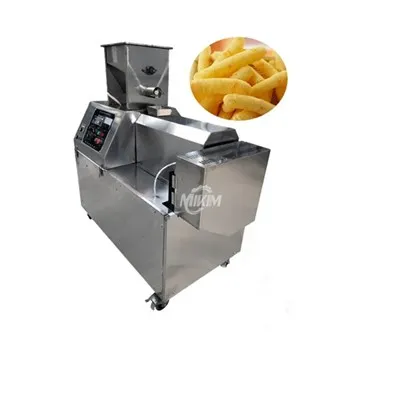
A food extruder is a machine used in the food industry to process raw materials into uniformly shaped and cooked products through a process known as extrusion cooking. It works by pushing material through a perforated plate under high temperature and pressure, creating a forced flow that cooks and shapes the food simultaneously. Extruders are versatile and can produce a wide range of products, including breakfast cereals, pasta, textured vegetable proteins, and pet foods. This technology allows for the incorporation of various additives and nutrients while offering energy-efficient production with continuous output.
Advantages of Food Extruder
Versatility In Product Creation
Food extruders offer remarkable versatility in product creation. With different formulations and processing parameters, they can produce a diverse range of food products, including snacks, ready-to-eat meals, pet food, and even gluten-free and vegan alternatives. This versatility opens up new market opportunities for food manufacturers.
Nutritional Value Enhancement
Food extruders allow for the incorporation of various nutrients, vitamins, and minerals into the extruded products. This ensures that consumers can enjoy convenient and tasty foods while still getting the essential nutrients they need. Additionally, the extrusion process itself can improve the bioavailability of certain nutrients, making them more easily absorbed by the body.
Extended Shelf Life
Extruded foods often have a longer shelf life compared to traditionally processed foods. This is because the extrusion process removes moisture, inhibits microbial growth, and stabilizes the food product. The resulting product can be stored for longer periods without the need for refrigeration or preservatives, reducing waste and improving product sustainability.
Cost-effectiveness
Food extruders are cost-effective processing solutions. They require relatively low energy consumption and can produce large quantities of food in a short period of time. This efficiency translates into cost savings for food manufacturers, making extruded foods more competitive in the market.
Production Flexibility
Food extruders are highly flexible and can be easily adapted to produce different products. This flexibility allows manufacturers to quickly switch between product lines, respond to market changes, and meet consumer demands for variety.
Enhanced Food Safety
Modern food extruders are equipped with state-of-the-art safety features and comply with strict hygiene standards. This ensures that the extruded foods are safe for consumption, minimizing the risk of foodborne illnesses and ensuring consumer confidence.




Why Choose Us
Advanced Equipment
A machine, tool or instrument designed with advanced technology and functionality to perform highly specific tasks with greater precision, efficiency and reliability.
High Quality
Our products are manufactured or executed to a very high standard, using the finest materials and manufacturing processes.
Professional Team
Our professional team collaborates and communicates effectively with each other, and is dedicated to delivering high quality results. We are capable of handling complex challenges and projects that require our specialized expertise and experience.
Customized Services
We understand that each customer has unique manufacturing needs. That’s why we offer customization options to cater to your specific requirements.
One-stop Solution
At our manufacturing facilities, we provide a complete package that includes everything required to get you started, including training, installation and support.
24h Online Service
We try and respond to all concerns within 24 hours and our teams are always at your disposal in case of any emergencies.
Types of Food Extruder
Featuring two intermeshing screws, double-screw extruders offer better mixing and thermal transfer than single-screw extruders. This design allows for greater control over the extrusion process, making them suitable for more complex products like pet foods, confectionery, and some forms of breakfast cereals. Double-screw extruders are also favored for their ability to handle sticky and tacky materials without requiring extensive pre-conditioning.
As the name suggests, multi-screw extruders have three or more screws that work in conjunction to process the material. These extruders provide even more advanced mixing, shearing, and thermal treatment capabilities. They are often used for highly sensitive or complex recipes where precise control over the extrusion process is critical, such as in the production of high-moisture or high-fat foods.
Designed for non-stop operation, continuous extruders are ideal for high-volume production environments. They are engineered to maintain consistent output quality over extended periods, which makes them popular for mass-producing snack foods, breakfast cereals, and similar products. Their ability to operate around the clock with minimal downtime contributes significantly to their efficiency and productivity.
In contrast to continuous extruders, batch extruders process materials in discrete batches. This type of extruder offers more flexibility in terms of recipe changes and product variety, as operators can easily adjust settings between batches. Batch extruders are commonly used in research and development facilities, pilot plants, and small-scale production setups where product customization is a priority.
Co-extruders are specialized extruders that combine two or more different materials in a single extrusion process, creating a composite product with multiple layers or components. This technology is widely utilized in the production of candy coated cereals, multi-textured snacks, and other products where distinct layers of different properties are desired. Co-extrusion allows for innovative product designs and enhanced sensory experiences.
How to Store Food Extruder
Cleaning And Disassembly
Before storing the extruder, it should be thoroughly cleaned to remove any residual food particles or debris. Start by powering down the machine and allowing it to cool if it was recently in use. Use appropriate cleaning agents and tools to clean all parts that come into contact with food, including the barrel, screw, die, and feeding system. After cleaning, disassemble these components for more accessible and thorough drying.
Drying
Ensure all components are completely dry before storage to prevent corrosion or rusting. If necessary, use compressed air to accelerate the drying process or place the components in a warm, ventilated area.
Lubrication
Apply a thin layer of lubricant to all moving parts of the extruder. This includes the screw, drive mechanism, and any bearings or gears. Lubrication protects against wear and tear and ensures the machine operates smoothly once it’s time to restart production.
Cover And Protect
Place the extruder and its components in a protective cover or tarp. Ensure the cover is clean and free of debris to prevent contamination. The cover will protect the extruder from dust, dirt, and other environmental factors that could cause damage.
Environmental Considerations
Store the food extruder in a dry, clean environment away from direct sunlight and extreme temperatures. Ideally, the storage area should be climate-controlled to prevent condensation or corrosion. Keep the extruder on a stable surface to prevent tipping or damage during storage.
Regular Inspections
Even when stored, it’s wise to perform regular inspections of the extruder. Check for signs of deterioration, such as rust or discoloration, and address any issues promptly. This proactive approach helps prevent major repairs or downtime when you’re ready to resume operations.
Application of Food Extruder


Pet Food Production
Extruders are widely used in the manufacture of dry pet foods. They can process ingredients like grains, proteins, and fats to create kibble that is not only palatable but also easy for pets to digest. The extrusion process helps bind ingredients together and shape the food, which can then be coated with flavors or vitamins.
Breakfast Cereals
Extrusion technology is pivotal in producing a vast array of breakfast cereals. It allows for the creation of shapes and sizes, from flakes to shapes, while also providing a means to toast and cook the cereal mix, enhancing its flavor and crunchiness.
Bakery Products
In the bakery industry, extruders can produce various items like breadsticks, pasta, and even gluten-free baked goods. The process enables the incorporation of different ingredients to achieve specific textures and densities.
Confectionery
Extruders play a role in the production of confectionery items such as gummy bears, fruit snacks, and chocolates with inclusions. Through the extrusion process, these candies can be given specific shapes and sizes while ensuring consistent distribution of flavors and colors.
Snack Foods
For snack foods like corn chips, extruders are instrumental in creating the desired crunchy texture and uniform shape. The process also helps in incorporating seasonings and oils within the product.
Protein Bars And Meal Replacements
High-protein bars and meal replacement products benefit from extrusion technology, which allows the inclusion of proteins, fibers, and sweeteners in a matrix that is both palatable and convenient.
Textured Vegetable Protein (TVP)
Extruders are used to produce tvp, which mimics the texture of meat. This product is a valuable source of protein for vegetarians and vegans and can be used in various dishes as a meat substitute.
Baby Food
Extruders can produce soft, easily digestible baby foods in the form of puffed snacks or pastes. The process ensures that the food is safe and free from pathogens, making it suitable for infants.
Feed For Aquaculture
In aquaculture, extruders are employed to create fish feeds that are not only nutritious but also have specific floating properties that ensure the food stays at the water surface for easy consumption.
Precautions When Using Food Extruder
Personal Protective Equipment
Always wear appropriate ppe, including but not limited to safety glasses, gloves, long-sleeve shirts, closed-toe shoes, and, if necessary, ear protection. Ppe protects against hot surfaces, moving parts, and flying debris.
Machine Inspection
Prior to operation, inspect the extruder for any visible defects, misalignments, or foreign objects. Check that all safety devices, such as emergency stops and guards, are functional and in place.
Clear Work Area
Keep the work area around the extruder clear of clutter to minimize the risk of tripping, slipping, or causing unintended movements of the machine.
Start-up Procedures
Follow the manufacturer's recommended start-up procedures to warm up the machine gradually. Sudden temperature increases can cause warping or damage to machine parts.
Material Handling
Handle raw materials with care to avoid blockages or jams inside the extruder. Do not force materials into the machine, as this can lead to mechanical stress or unexpected stoppages.
Temperature Controls
Monitor the temperature within the extruder closely. Excessive heat can cause degradation of the food product or create unsafe working conditions. Adjust the temperature controls as needed to maintain the desired settings.
Noise And Vibration
Be aware of the noise levels and vibrations produced by the extruder. Continuous exposure to loud noises can cause hearing loss, while excessive vibration may indicate mechanical issues.
Electrical Safety
Ensure that electrical components are properly grounded and that there are no damaged cables or exposed wiring. Avoid water accumulation near electrical outlets or components to prevent electrocution hazards.
Maintenance And Calibration
Perform regular maintenance and calibrations as recommended by the manufacturer. Downtime for maintenance is far preferable to unplanned stoppages caused by mechanical failures.
How Do I Choose the Right Food Extruder
Product Requirements
Firstly, determine the type of food product you intend to produce. Different extruders are designed for specific types of food – for instance, breakfast cereals, snack foods, or pet food require different configurations. Understand the characteristics of the final product, such as shape, size, texture, and nutritional requirements, to choose an extruder that can achieve those outcomes.
Capacity And Throughput
Assess the required production capacity in terms of kilograms or tons per hour. Choose an extruder that matches your current needs and has enough capacity to accommodate future growth without becoming obsolete prematurely.
Raw Material Compatibility
Consider the raw materials you plan to use. Some extruders are better suited for processing certain ingredients, such as whole grains or high-fiber materials. Ensure that the chosen extruder can handle your specific raw materials efficiently.
Energy Efficiency
Look for extruders with high energy efficiency. Operation costs can be significant, so selecting a machine that minimizes energy usage can lead to long-term savings.
Maintenance And Cleaning
Opt for an extruder that is designed for easy maintenance and cleaning. Quick access to internal components and the ability to disassemble and reassemble parts without special tools can save you time and money in the long run.
Production Methods of Food Extruder
Pre-conditioning Of Ingredients: The first step in the extrusion process is to pre-condition the raw ingredients, typically grains, pulses, or various flours. These ingredients are mixed with water and sometimes other additives, like salt or flavorings, to achieve the right moisture content. This mixture is then heated to partially gelatinize the starches, which makes the dough more pliable and easier to extrude.
Extrusion Cooking: The conditioned dough is fed into the extruder, where it encounters a screw conveyor. As the screw rotates, it pushes the dough toward the die at the extruder's outlet. The screw consists of flights that serve to compress, mix, and cook the material. Heat is generated through the shear forces between the screw and the barrel wall, as well as by the friction between the solid and liquid phases within the dough. This combination of pressure and heat cooks the dough uniformly, resulting in a paste-like consistency known as the "extrudate."
Pelletization: As the extrudate exits the die, it meets a controlled atmosphere, usually involving a drop in temperature. This rapid cooling solidifies the extrudate into the desired shape, be it long strands, pellets, or other forms. The extrudate can be cut using knives or other mechanisms integrated into the extruder to achieve the correct length and shape.
Post-treatment: Following extrusion, the food products often undergo additional processing to enhance their texture, flavor, or appearance. This may include toasting, flavoring, or adding coatings. For example, extruded snacks might be seasoned with spices and oils after extrusion to provide a more appealing taste and aroma.
Cooling And Packaging: After any post-treatment steps, the extruded products are cooled to room temperature to stabilize their properties. Once cooled, they are ready for packaging, which must be done quickly to prevent spoilage and maintain freshness.
Quality Control: Throughout the production process, quality control measures are implemented to ensure that the final products meet the required specifications regarding size, shape, texture, and nutritional content. Sampling and testing are conducted at multiple stages to monitor the process and make adjustments as necessary.

What Are the Components of Food Extruder
Feeder
Also known as a screw conveyor, the feeder is responsible for transporting the raw material from the hopper into the barrel section of the extruder. Its design ensures a consistent flow of material to prevent blockages or uneven feeding.
Hopper
The hopper is a container where raw materials are loaded before being fed into the extruder. It should be designed to allow for easy loading and to minimize material degradation before processing begins.
Barrel
The barrel, often made from steel, houses the screw and contains heating elements and/or coolants. It is where most of the mechanical and thermal processing occurs, with the material being subjected to high pressure and temperature as it moves down the barrel.
Screw
The heart of the extruder, the screw is a rotating metal shaft with a helical blade that conveys material through the barrel. It is designed with different sections (feed, compression, and metering zones) to achieve the necessary mixing, heating, and pressure buildup.
Heating And Cooling Systems
These systems control the temperature profile inside the barrel, which is crucial for the proper gelatinization of starches, protein denaturation, and overall texture development of the extruded product. Heaters could be electrical or steam-based, while cooling can be achieved through air blast or water-cooled jackets.
Cutting device
Located after the die, the cutting device is used to slice the extruded product to the desired length. This can be a rotary cutter or a knife that shears the product against a stationary blade.
Control system
Modern extruders come with advanced control systems that monitor and adjust the machine’s parameters in real-time. These controls allow for precision in setting temperatures, screw speed, and other variables that influence the quality of the end product.
Drive unit
This component houses the motor and gearbox that provide the power to turn the screw. The drive unit must be capable of delivering consistent torque and power to handle the varying resistance encountered during extrusion.
Chiller or cooling tunnel
After extrusion, the hot product often requires rapid cooling to set its shape and texture. A chiller or cooling tunnel facilitates this process by blowing cold air or circulating water around the products.
The conditioner, also known as a premixer or preconditioner, is a pivotal component in the initial phase of the extrusion cooking process. Its primary function is to prepare the raw material blend—typically consisting of flour, water, and possible additives—for subsequent processing within the extruder barrel. The conditioner serves several critical roles that significantly impact the quality and characteristics of the final extruded product. Firstly, the conditioner facilitates the even distribution of water and other liquids across the raw material blend. This uniform hydration is essential as it ensures consistent dough formation, which is vital for achieving the desired texture and expansion of the extrudate. Without adequate conditioning, areas of the material may remain dry or overly wet, leading to inconsistencies in the final product. Secondly, the conditioner incorporates mechanical working into the initial stages of the extrusion process. This involves the use of paddles or mixing elements attached to the rotating shaft that agitates and kneads the material blend. The mechanical action helps to develop the gluten structure in wheat-based products or to break it down in non-wheat systems, depending on the desired outcome. This gluten development is crucial for the elasticity and chewiness of the final product, particularly in applications like pasta or breakfast cereals. Additionally, the conditioner is equipped with heat exchange surfaces that allow for the controlled heating or cooling of the material blend. Adjusting the temperature within the conditioner can affect the rate of enzymatic reactions and the gelatinization of starches, influencing the final flavor and texture of the product. For instance, controlled heat can help to inactivate enzymes that might otherwise degrade certain components during the later extrusion stages.
Can a Food Extruder Be Used for Low-Density Product Production?
Yes, a food extruder can indeed be used for the production of low-density products, although certain adjustments to the extrusion process may be necessary to achieve the desired outcomes. The extrusion process involves subjecting a mixture of raw materials to high pressure and temperature within the extruder barrel, which forces the material through a die to form the final product. For the production of low-density products, careful consideration must be given to the formulation of the raw materials, the extruder settings, and the post-extrusion handling processes. In the context of producing low-density products, the raw material formulation is critical. The choice of ingredients, their proportions, and the addition of specific additives can significantly influence the density of the final product. For instance, the use of expanded materials, such as foamed proteins or starches, can contribute to a lower density by creating a larger volume of gas cells within the structure of the food item. The extruder settings, including screw design, temperature profile, and screw speed, play a pivotal role in determining the density of the extrudate. For low-density products, the extruder must be calibrated to create an environment conducive to gas expansion without causing excessive mechanical pressure that could densify the product. This might involve optimizing the pressure gradient along the screw to ensure that gas is not prematurely expelled before reaching the die. The temperature profile must also be carefully controlled to ensure that gelatinization and protein denaturation occur in a way that supports the formation of a stable cellular structure. Additionally, the type of die used in the extruder can greatly impact the density of the product. Specialized dies designed to promote bubble nucleation and growth can facilitate the creation of a low-density structure. The shape and size of the die openings will determine the initial conditions for the expansion of gases within the extrudate.
Our factory
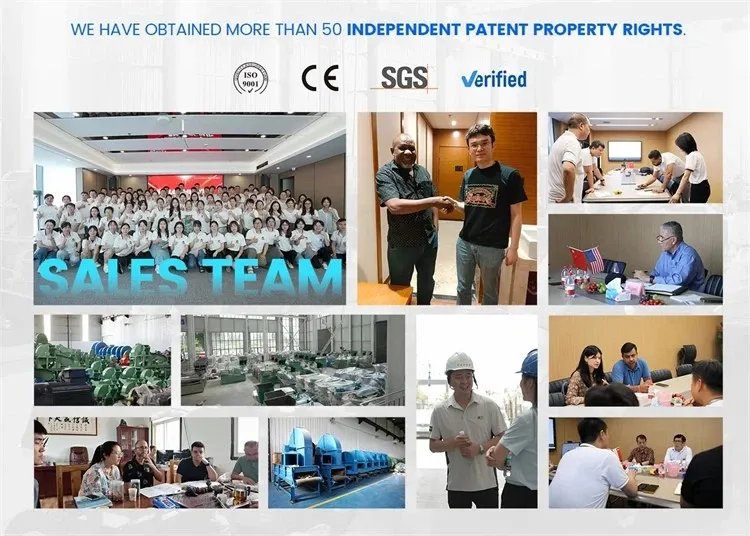
Mikim Machinery is a high-tech enterprise integrating scientific research, design, manufacture, installation and commissioning, and after-sales service. 13 years have been dedicated to the design and production of the feed machinery industry, which has passed many certificates such as CE, ISO, etc. Now we are mainly engaged in two fields: feed pellet machine production line (hammer mill-mixer-conveyor-feed pellet machine-cooling & vibration system-packing and sealing) and feed extruder production line (mixer-twin screw extruder machine-dryer-drum seasoning machine-cooling towers-packing machine).
certificate
FAQ
Q: What is a food extruder?
Q: What is the working principle of a food extruder?
Q: What are the different types of food extruders?
Q: What are the advantages of using a food extruder?
Q: What is the difference between a single-screw and a twin-screw food extruder?
Q: What is the role of the conditioner in a food extruder?
Q: What is the importance of product quality in food production?
Q: Can a food extruder be used for custom product formulations?
Q: What safety measures should be taken when operating a food extruder?
Q: Can a food extruder be used for high-protein product production?
Q: What is the typical lifespan of a food extruder?
Q: Can a food extruder be customized for specific product formulations?
Q: What is the role of the cutter in a food extruder?
Q: Can a food extruder handle different types of materials?
Q: What maintenance is required for a food extruder?
Q: Can a food extruder be used for multi-product production?
Q: What is the role of the feeder in a food extruder?
Q: Can a food extruder be used for high-fat product production?
Q: What is the difference between a laboratory-scale and an industrial-scale food extruder?
Q: Can a food extruder be used for gluten-free product production?
We're professional food extruder manufacturers and suppliers in China, specialized in providing high quality customized service. Please feel free to wholesale high-grade food extruder made in China here from our factory.
Food Extruders, rice extruder machine, puffed corn extruder