


A feed extruder machine is a specialized piece of equipment utilized in the production of pet foods, particularly those in the form of kibble. It works by forcing a mixture of raw materials, including proteins, carbohydrates, fats, and minerals, through a die under high pressure and temperature. This process, known as extrusion, gelatinizes the starches, modifies protein structures, and cooks the material instantaneously. The result is a dense, pelletized feed that is highly palatable, digestible, and convenient for storage and feeding. Extruders are designed to handle various formulas and can be adjusted to create different shapes and sizes of kibble, tailored to the nutritional needs and jaw mechanics of various pets, such as dogs and cats.
Application
The most common application of fish food machine is the production of kibble. Through the extrusion process, raw materials are cooked, mixed, and then forced through a die to form the familiar crunchy shape. Extruders allow for the precise control of parameters such as pressure, temperature, and screw speed, which directly influence the texture, size, and shape of the kibble. Extruders can be equipped with specific dies and technologies to incorporate additional nutrients into the pet food.
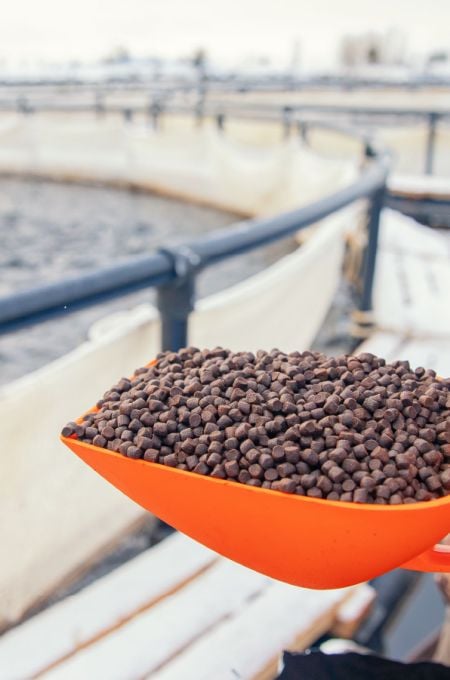
Floating fish feed
Producing high-quality extruded aqua feed with good water stability.
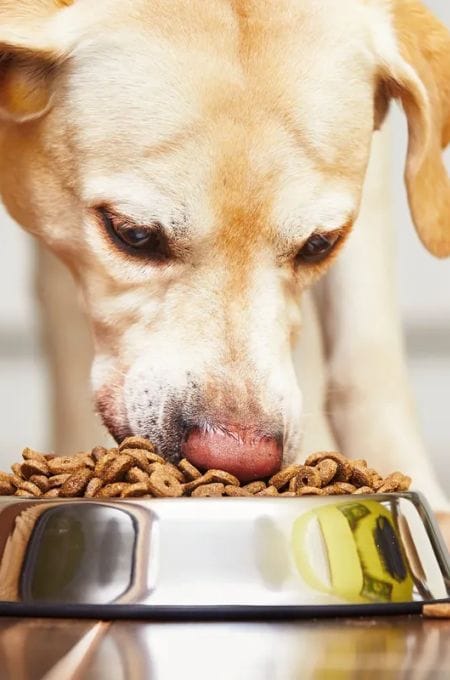
Pet food
Producing extruded pet food in various forms and shapes.
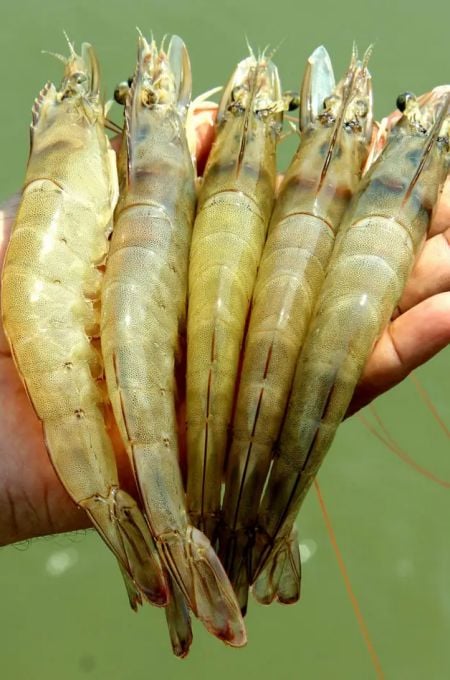
shrimp feed
Processing of high-grade extruded shrimp feed in various formulations
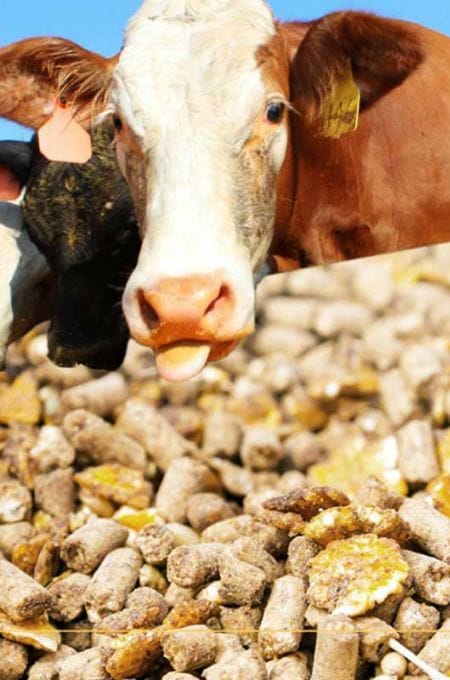
poultry & livestock feed
Processing of extruded livestock and poultry feeds of various sizes.
Working principle of wet type Pet feed extruder machine
The material in the extruding chamber of the dog food making machine is subject to high pressure and temperature, making starches gelatinize and denaturing the protein, so that to improve the water stability and digestibility of pet feed pellet. Meanwhile salmonella and other harmful bacterium are killed in the process.
The raw materials is fully mixed and extruded in the wet pet feed extruder, of which nutritional performance is improved by adding various nutrition. When the material goes out from the outlet of the dog food extruder, the pressure is released suddenly and the steam blows off rapidly. Then the pellet is formed. A cutting device on the pet food extruder machine will cut the pellets into required length.
Technical parameters of wet type fish feed extruder machine
Wet Type Twin Screw Fish Feed Extruder Machine
| Model (Electric) | Capacity (kg/h) | Main power | Cutting blade power | Cutting power | Modulated power |
| 65 | 250 - 300 | 22KW | 1.5KW | 1.5KW | 3KW |
| 70 | 500 - 600 | 45KW | 1.5KW | 1.5KW | 3KW |
| 75 | 800 - 1000 | 55KW | 1.5KW | 1.5KW | 3KW |
| 85 | 1200 - 1500 | 90KW | 3KW | 2.2KW | 5.5KW |
| 95 | 2000 - 2500 | 110KW | 3KW | 3KW | 11KW |
| 120 | 3000 - 4000 | 160KW | 5.5KW | 3KW | 15 + 7.5KW |
| 136 | 5000 - 6000 | 200KW | 7.5KW | 5.5KW | 22 + 7.5KW |
Dry Type Twin Screw Pet Food Extruder Machine
|
Model
|
Power
|
Capacity
|
Heater
|
Dimension(mm)
|
Weight
|
|
LXT-65
|
5.5kw
|
50 kg/h
|
1 kw
|
1720*870*1050
|
350 kg
|
|
LXT-70
|
15kw
|
150kg/h
|
1 kw
|
1720*970*1250
|
500 kg
|
|
LXT-85
|
18.5kw
|
200-300kg/h
|
2 kw
|
1360*1870*850
|
650 kg
|
|
LXT-95
|
22kw
|
400-500kg/h
|
2 kw
|
2300*1170*1400
|
850 kg
|
Advantages
'lt is awesome to work with Creative. amazingy organized,easy to communicate with. responsive with next iterations,and beautiful work.
High Output
Stable Operation
High Efficiency
Long Trouble-Free Time
VIDEO of Wet type fish feed Extruder machine


Why Choose Us
Advanced Equipment
A machine, tool or instrument designed with advanced technology and functionality to perform highly specific tasks with greater precision, efficiency and reliability.
Source factory
We are a manufacturer and can give you lower prices.And we welcome you to visit us at any time.
Perfect service
We will conduct quality inspection before shipment and provide you with wearing parts. We will also regularly send dedicated personnel to your country to solve problems for you.
Customized Services
We understand that each customer has unique manufacturing needs. That’s why we offer customization options to cater to your specific requirements.
One-stop Solution
At our manufacturing facilities, we provide a complete package that includes everything required to get you started, including training, installation and support.
24h Online Service
We try and respond to all concerns within 24 hours and our teams are always at your disposal in case of any emergencies.
Products Description


services we offer
Raw material receiving
Receiving is the beginning of feed production. In the production of animal feed or similar products, the receiving area covers the activities of various purchased materials used directly or indirectly. Receiving equipment is used before the materials are stored in bulk in silos or warehouses, including weighing systems, inspection instruments, unloading systems, etc.
Silo storage
To ensure continuous production, a large amount of raw materials such as corn, wheat and soybean meal need to be stored during feed processing. For small-scale fish feed production, generally only small silos are needed or no silos are purchased; for large-scale fish feed production line construction, a silo system is generally required.
Cleaning
Bulk grain received from farms usually includes grain by-products and impurities such as straw, stones, metal, wood chips and powder. Cleaning operations are to remove these impurities with equipment and systems such as magnets, screens, dust collectors, etc. to ensure good quality of stored grain and protect the machinery in subsequent processing steps.
Crushing
Crushing is the operation of reducing feed particle size and increasing its specific surface area, which can enhance animal digestibility, improve feed utilization, and improve processing quality and work efficiency in subsequent process steps. In standard fish feed production line, fine or ultra-fine grinding of raw materials is sometimes required according to customer needs.
Batching
The first batching process in aquafeed production is the combination of bulk dry and liquid raw materials into a value-added, uniformly proportioned mixture. Sometimes a second batching process is required, where the second batching is the scaling, addition and mixing of dry and/or liquid trace elements and premixes to form a complete feed mixture.
Mixing
Mixing is a key process in compound feed production. It combines ingredients with unique properties into a formulated diet under the action of processing equipment to meet all the nutritional requirements of the animal and add value to the blended commodity. Sometimes a second batching process is required.
Extrusion
Wet type fish feed extruder machines are used in this section. Extrusion refers to the process in which moist, swellable starch or protein materials are plasticized in a tube by the combined effects of moisture, pressure, heat and mechanics. This results in an increase in the temperature of the product in the tube, gelatinization of starch components, denaturation of proteins, stretching or reorganization of tactile components, and exothermic expansion of the extrudate.
Drying/cooling
The main purpose of drying is to reduce the moisture content in the product, thereby improving the stability and shelf life of aquatic products, reducing product weight and improving transportation conditions. In the feed pelleting process, cooling of feed pellets is essential. When leaving the pelletizer, the feed pellets are very hot, soft and rich in moisture. The cooling process cools them to 3℃-5℃ slightly above room temperature and reduces their moisture content to a safe standard (≤12.5%) for easy transportation and storage.
Liquid Addition and Spraying
Spraying or coating is an industrial process. After the fish feed pellets are dried and screened, and before the feed pellets are cooled, liquids or powders such as oil/fat, pigments, spices, functional improvers or vitamins are applied to the surface of the fish feed pellets to improve the taste and acceptability of the fish feed pellets.
Cooling
Cooling of feed pellets is essential during the feed pelleting process. When leaving the pelletizer, the feed pellets are very hot, soft and rich in moisture. The cooling process cools them to 3℃-5℃ slightly above room temperature and reduces their moisture content to safe standards (≤12.5%) for easy transportation and storage.
Screening
After cooling and drying, the extruded fish feed is screened to remove fine particles and overflows to make the pellets reach the qualified size. Qualified fish feed pellets enter the packaging section, and unqualified products will be re-crushed, mixed, and extruded.
Packaging
The packaging operation starts when the finished feed enters the supply box above the packager and ends when the bagged feed is placed in the warehouse. For fish farms that use fish feed for their own use, there is no need to configure a packaging system.
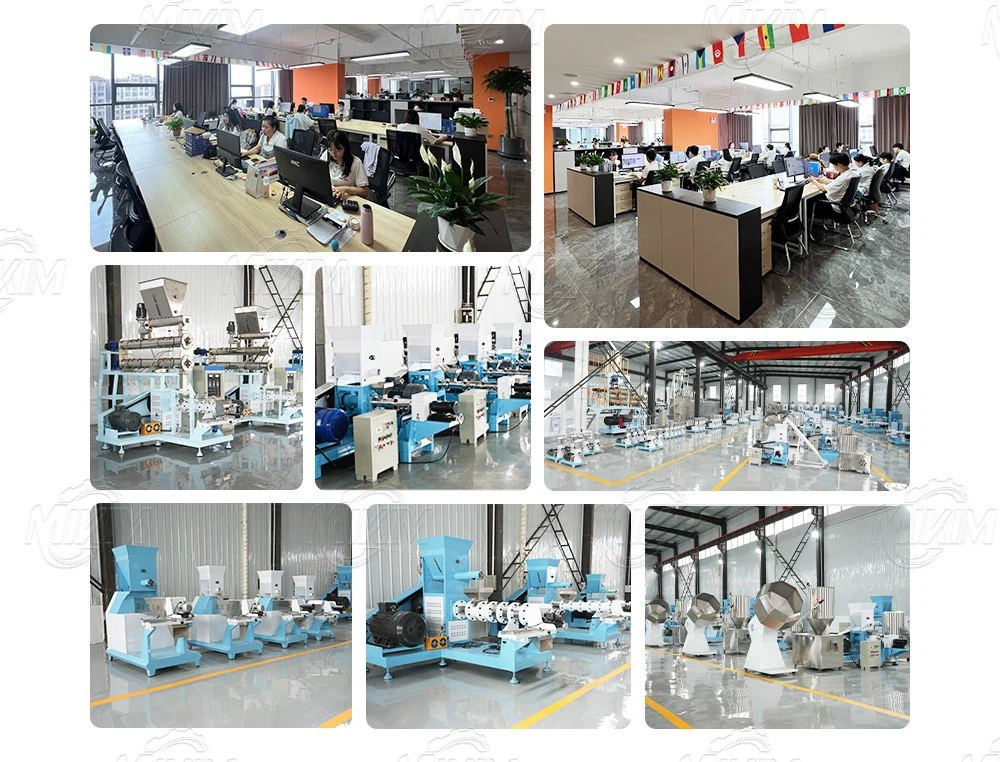
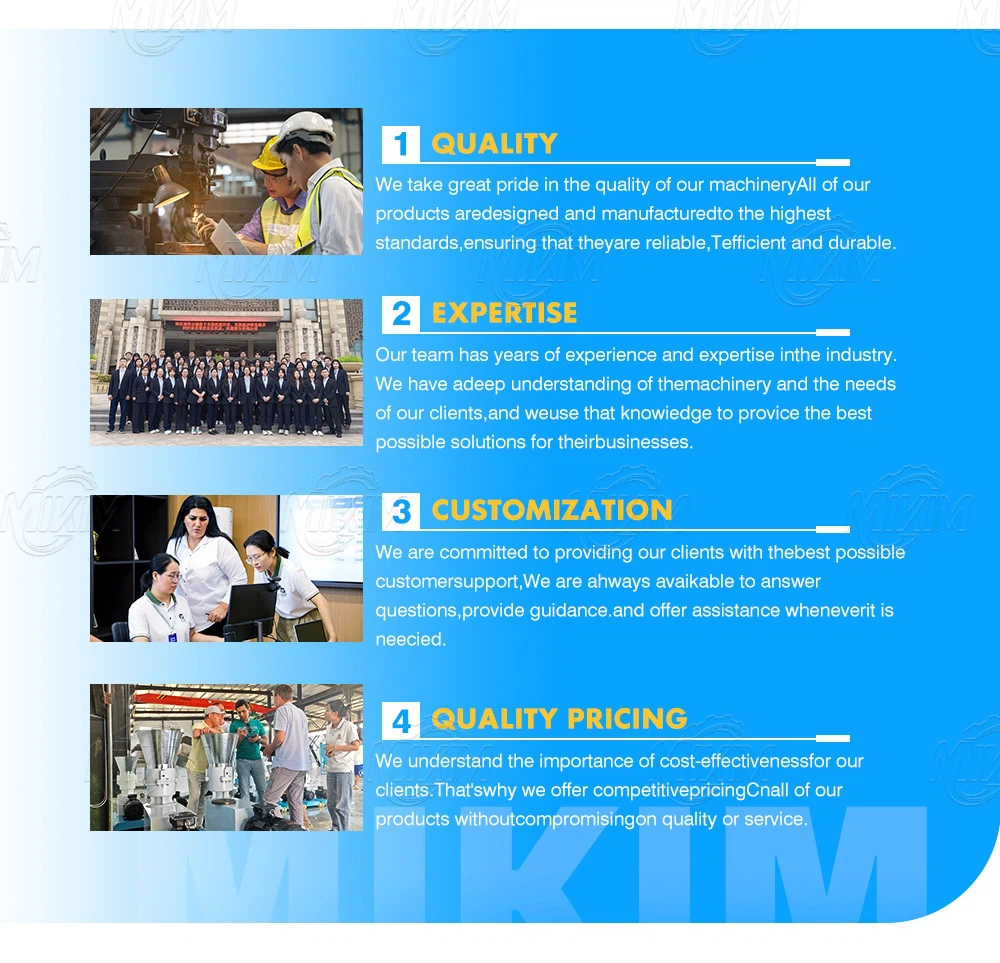
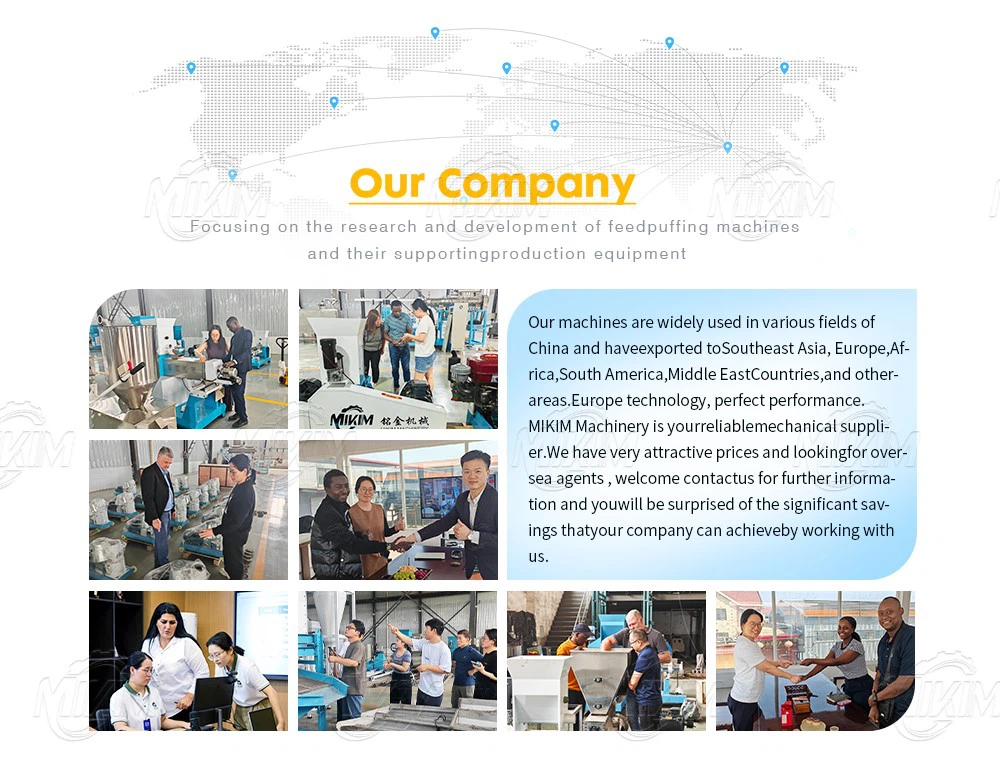
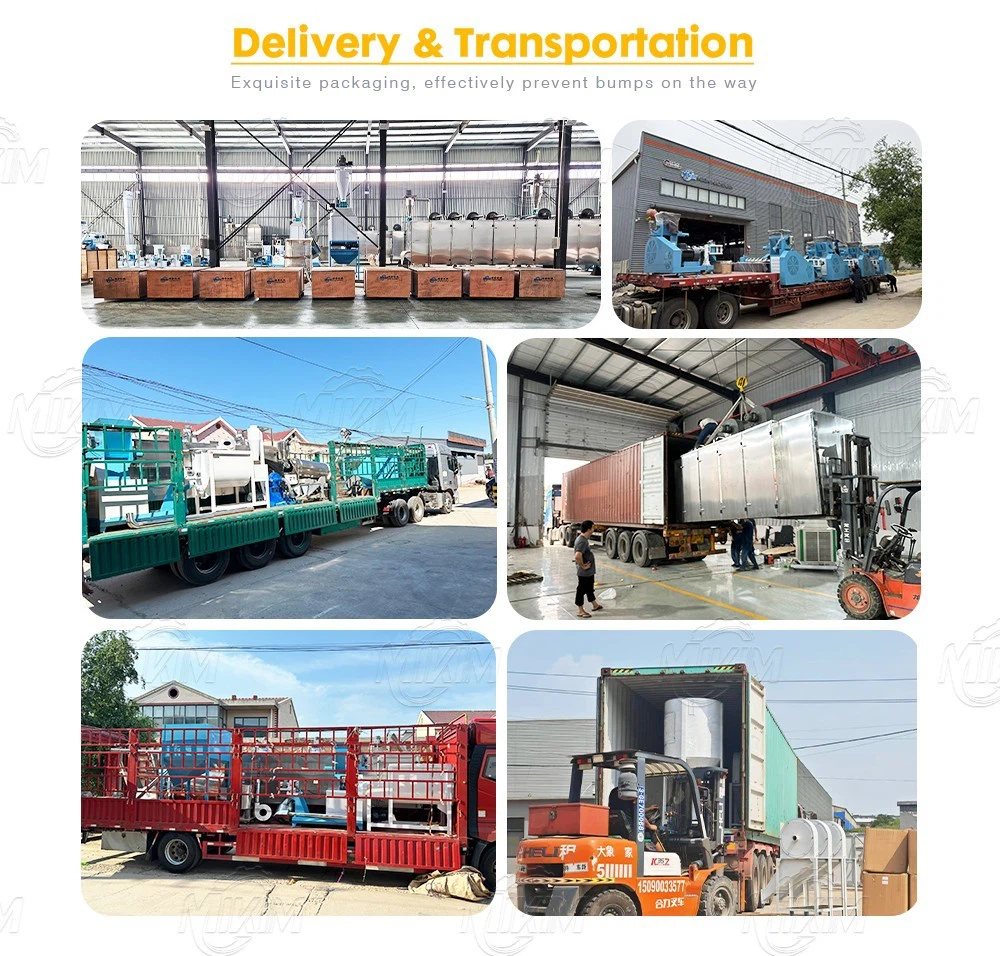
Company Profile


FAQ
Q: What is a pet feed extruder?
Q: What is the working principle of a pet feed extruder?
Q: What are the different types of pet feed extruders?
Q: What are the advantages of using a pet feed extruder?
Q: What factors should be considered when selecting a pet feed extruder?
Q: What is the difference between a single-screw and a twin-screw pet feed extruder?
Q: What is the role of the conditioner in a pet feed extruder?
Q: What is the importance of pellet quality in pet food production?
Q: Can a pet feed extruder be used for custom feed formulations?
Q: What safety measures should be taken when operating a pet feed extruder?
Q: Can a pet feed extruder be used for high-protein feed production?
Q: What is the typical lifespan of a pet feed extruder?
Q: Can a pet feed extruder be customized for specific pet species?
Q: Can a pet feed extruder handle different types of materials?
Q: What maintenance is required for a pet feed extruder?
Q: Can a pet feed extruder be used for medicated feed production?
Q: Can a pet feed extruder be used for multi-species feed production?
Q: Can a pet feed extruder be used for high-fat feed production?
Q: What is the difference between a laboratory-scale and an industrial-scale pet feed extruder?
Q: Can a pet feed extruder be used for wet pet food production?
We're professional pet feed extruder manufacturers and suppliers in China, specialized in providing high quality customized service. Please feel free to wholesale high-grade pet feed extruder made in China here from our factory.
animal feed extrusion business continuity, pet food extrusion order fulfillment, pet feed extrusion return on investment