

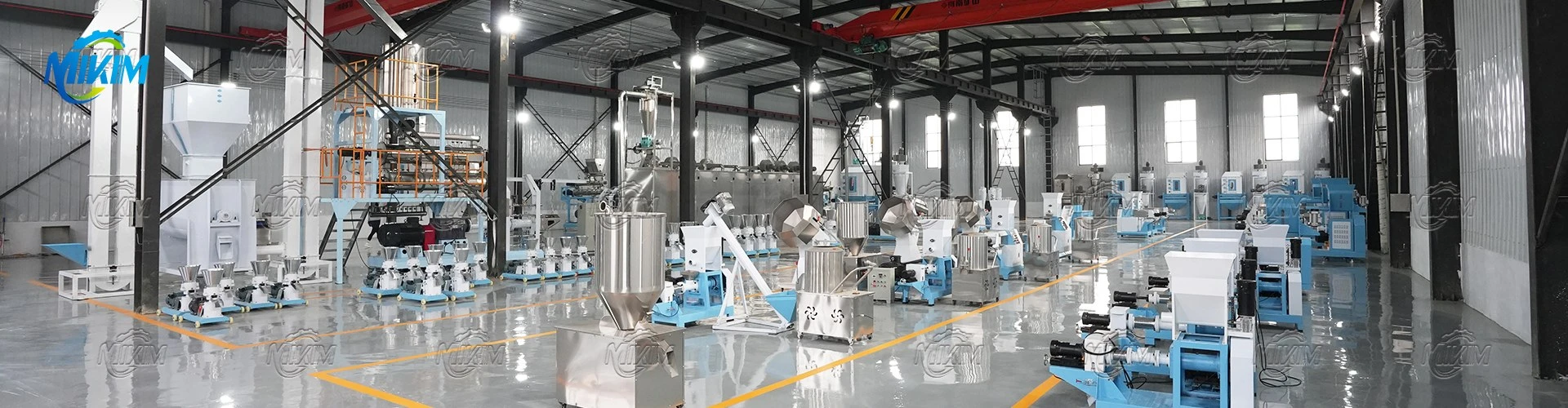


300-500kg/h Sheep Farm Feed Pellet Production Line
Capacity:300-500kg/h
Pellet Size:2.5-8mm
Main Powe:Customized
Raw Materials:Grain powder, protein meal, bran,etc.
Application:Poultry feed production(Chickens, ducks, pigs, geese, quail, cattle, sheep, horses, rabbits, etc.)
MOQ: 1 set
Installation:Factory guidance available
Description
Our poultry feed pellet production line is a turnkey system converting grains into nutrient-rich pellets for chickens, sheep, goats, cattle, and other ruminants. It optimizes Feed Conversion Ratios (FCR), ensures uniform nutrition, and reduces waste. A professional, cost-effective solution for modern farms to boost growth and ROI.
300-500kg/h Poultry Feed Pellet Production Line
Chicken cattle cow pig pellet feed making machine
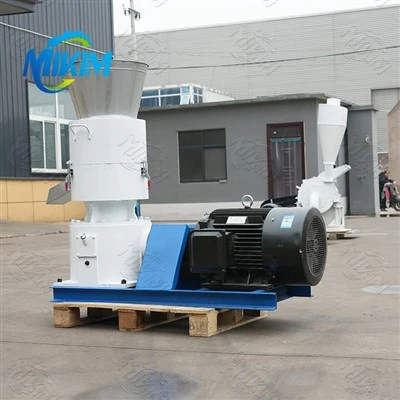
Flat Die Feed Pellet Mill - High-Performance Gear-Driven Series
Our latest generation flat die pellet mill is the result of decades of engineering refinement. Unlike traditional belt-driven models that suffer from slippage and frequent maintenance, our Gear-Driven System ensures maximum torque transfer and long-term reliability. It is the gold standard for small-to-medium-scale farmers looking to produce high-quality, dense feed pellets.
Precision Pellet Die (Standard Sizes):
-
2.0mm: Ideal for aquaculture (shrimp, small fish) and starter feed for young birds.
- 3.0mm: Perfect for ducklings, chicks, young rabbits, and aquatic species.
- 4.0mm: The standard for adult layers, broilers, ducks, pigeons, and rabbits.
- 5.0mm – 8.0mm: Heavy-duty pellets for pigs, cattle, sheep, and horses.
Key Advantages:
- Durable Alloy Die: Made from high-grade, heat-treated alloy steel for a 3x longer service life.
- No-Slip Performance: The integrated gearbox eliminates the common issues of belt wear and power loss.
- Adjustable Compression: Customizable dies to suit different raw material fibers (straw, alfalfa, or grain).
|
|
|
| feed pellet making machine | On-site View of animal feed granulator |
|
|
|
| Die Plate | Pressure Roller |


PRODUCT SPECIFICATIONS
|
Model (Electric) |
capacity (kg/h) |
Main power (kw) |
Pellet size (mm) |
Machine size (mm) |
Weight (kg) |
|
LX-K125 |
80-100 |
3 |
2-8 |
850*350*750 |
95 |
|
LX-K150 |
90-150 |
4 |
2-8 |
850*350*750 |
98 |
|
LX-K160 |
150-200 |
4.5 |
2-8 |
850*350*750 |
100 |
|
LX-K210 |
200-300 |
7.5 |
2-8 |
1100*520*780 |
200 |
|
LX-K230 |
250-350 |
11 |
2-8 |
1200*530*820 |
250 |
|
LX-K260 |
400-500 |
15 |
2-8 |
1250*560*920 |
320 |
|
LX-K300 |
600-800 |
22 |
2-8 |
1450*660*960 |
415 |
|
LX-K360 |
900-1000 |
22 |
2-8 |
1550*720*1150 |
600 |
|
LX-K400 |
1200-1500 |
30 |
2-8 |
1650*780*1220 |
800 |
|
LX-K500 |
1500-1600 |
45 |
2-8 |
1960*880*1500 |
1000 |
| 1.Used for making animal feed pellets
2.Used for making wood pellets as fuel |
|||||
Auxiliary Equipment
Hammer Mill Grinder
Our heavy-duty hammer mill is a versatile solution for grinding grains, crop straws, and biomass into fine particles. Designed for the feed, agriculture, and pharmaceutical industries, it significantly enhances nutrient absorption and feed quality.
Key Components:
- Main Frame: Robust construction for long-term durability.
- Cyclone System: For efficient dust collection and material discharge.
- Hammers & Screens: High-wear-resistant parts (easily replaceable).
- Control Panel: Simple and safe operation.
How It Works:
Raw materials enter the grinding chamber and are struck by high-speed hammers (1,500-3,000 RPM). Through intense impact and friction against the inner liners, the material is pulverized. Once the particles reach the desired size, the centrifugal force and airflow discharge them through the screen.
Product Specifications
|
Product |
Corn rice husk hammer mill also named fodder grinder pig feed crusher machine for sale | |||
|
Model |
Power |
Power |
Capacity |
Hammer Blades |
|
HM-350 |
3 kw |
8 hp |
100-200 kg/h |
16 pcs |
|
HM-360 |
5.5 kw |
12 hp |
200-400 kg/h |
16 pcs |
|
HM-420 |
7.5 kw |
15 hp |
400-600 kg/h |
24 pcs |
|
HM-460 |
11 kw |
15 hp |
600-800 kg/h |
24 pcs |
|
HM-480 |
15 kw |
22 hp |
800-1000 kg/h |
24 pcs |
|
HM-500 |
22 kw |
32 hp |
1000 kg/h |
32 pcs |
|
HM-600 |
37 kw |
75 hp |
2000 kg/h |
48 pcs |
|
HM-800 |
55+11 kw |
102 hp |
3000 kg/h |
64 pcs |
Detail Images:
|
|
|
| hammer mill | Hammer Crusher On-site Photo |
|
|
|
| Hammer Set: Standard wearing parts for hammer mills. |
Screen: Replaceable and interchangeable for precise particle size control. |


Horizontal Ribbon Mixer
The single-shaft mixer is engineered for high-precision powder blending. Featuring a full-length discharge gate, the unit ensures a rapid, zero-residue discharge process, significantly boosting your production cycle. The automated discharge mechanism, driven by a powerful motor/pneumatic system, simplifies operation and reduces labor intensity. It is the ideal solution for dry powder mixing in the feed, chemical, and pharmaceutical sectors.
Key Performance Features:
- High Uniformity: Achieves superior mixing precision with a CV ≤ 5%-7% in just 3–6 minutes per batch.
- Rugged Durability: Built for stable, long-term operation with minimal maintenance required.
- Compact & Flexible: Small footprint with an easy-to-integrate design for various production lines.
- User-Friendly: Ergonomic design with intuitive controls for safe and efficient daily use.
Detail Images:
|
|
|
| U-shaped horizontal mixer | On-site View of Poultry Feed Mixer |
|
|
|
| 5mm heavy-duty blades for longer service life | Reinforced solid shaft for continuous heavy-duty use |


Screw Conveyor- Efficient & Dust-Free Material Handling
The screw conveyor is a high-performance solution for horizontal or inclined material transport. Designed with a fully enclosed structure, it is essential for moving grains, powders, and small granules across your feed production line without dust leakage or material loss.
Key Features:
- Superior Sealing: The dust-tight enclosure ensures a clean working environment, meeting the strict hygiene standards of the food and feed industries.
- High Throughput: Featuring optimized helical flights, the system delivers a stable, continuous material flow. Capacity is easily adjustable via variable speed controls.
- Versatile Application: Effectively handles everything from cement and coal powder to delicate grains and plastic resins.
- Space-Saving Design: Its compact, modular structure allows for seamless integration into existing production workflows with minimal footprint.
Product Specifications:
| Model | Power | Diameter | Length |
|
MGLX 165 |
1.5kw |
165mm |
3.5m |
|
MGLX 220 |
3.75kw |
220mm |
5.2m |
Detail Images:
|
|
|
| Screw Conveyor | On-site View of Screw Conveyor |
|
|
|
| 3mm heavy-duty blades for high wear resistance | 70mm diameter reinforced main shaft |


Integrated Pellet Cooling & Screening Machine
Freshly extruded pellets are hot and moist, making them prone to mold and breakage. Our integrated cooling and screening unit provides a 2-in-1 solution: it rapidly reduces pellet temperature and moisture while simultaneously removing dust and broken bits to ensure only premium-grade pellets reach your bags.
Performance Features:
- Highly Efficient Cooling: Uses ambient air to stabilize pellets, preventing nutritional degradation caused by residual heat.
- Precise Grading: The high-frequency screening system separates fine dust and oversized particles, ensuring uniform pellet quality.
- Low Maintenance & Automated: Designed for continuous operation with minimal noise and a long service life.
- Compact Integration: Small footprint makes it easy to install directly after the pellet mill, optimizing your plant's layout.
Product Specifications:
|
Height
|
3m
|
|
Power
|
2.2kw
|
|
Capacity
|
250-300kg
|
|
Power
|
2.2kw
|
|
Drying Time
|
5-10min
|
|
Dimension
|
1400*650*2400mm
|
Detail Images:
|
|
|
| Feed Pellet Cooler | On-site View of Feed Pellet Cooler |


Application
Our 300-500kg/h feed production line is engineered for versatility, bridging the gap between small-scale farming and professional feed manufacturing. We have optimized this line for the specific nutritional and physical requirements of different livestock:
- Ruminants (Sheep, Goats, Cattle): Focuses on processing high-fiber roughage. Our system ensures the pellets are dense enough to stimulate rumination while preventing "fines" (dust) that can cause respiratory issues in small ruminants like sheep.
- Poultry (Chickens, Ducks, Geese): Optimized for high-energy grain mixes. The pelleting process triggers starch gelatinization, making the feed easier to digest and significantly improving the Feed Conversion Ratio (FCR).
- Specialty Farming (Rabbits, Peacocks, Deer): Customizable pellet diameters (from 2mm to 8mm) to meet the delicate feeding habits of specialty breeds.


Raw Material Guide: What Can You Process?
To achieve premium pellet quality and extend the service life of your wearing parts, understanding your raw materials is crucial. Our production line handles a wide spectrum of ingredients:
1. Energy Grains
- Corn/Maize: The most common base; high in starch, excellent for pellet binding.
- Wheat & Barley: High in gluten, which helps produce very hard, durable pellets.
- Rice Bran & Wheat Bran: Excellent fiber sources that add bulk to the diet.
2. Agricultural Residuals
- Legumes & Grasses: Alfalfa, clover, and oat hay. These are essential for sheep and cattle feed.
- Crop Straw: Corn stalks, wheat straw, and peanut shells. Our hammer mill grinds these into the perfect fineness for extrusion.
- Soybean Meal & Oil Cakes: Primary protein sources used to balance the nutritional profile.
3. Essential Additives
Minerals & Vitamins: Bone meal, salt, and premixes. Our horizontal mixer ensures these micro-ingredients are distributed with a CV (Coefficient of Variation) <5%.

Tips for Optimal Pelleting
- The Moisture Rule: For the best pellets, your raw material moisture must be between 12% and 18%. If it's too dry, it won't bind; if it's too wet, it will clog the die.
- Particle Size: Materials should be ground to a size no larger than 2/3 of the final pellet diameter. For a 4mm sheep pellet, your corn should be ground to 2.5mm or less.
- Lignin is Your Friend: Materials like straw contain natural lignin. When heated to 70-80°C inside our pellet mill, this lignin melts and acts as a natural glue, creating shiny, hard pellets without expensive chemical binders.
Successful Project Case

- Project Name: Pigs Pellet Feed Production Line
- Project Name: Pigs Pellet Feed Production Line
- Capacity: 1 Tons/Hour
- Location: Kenya
- Pellet Type: Poultry Pellet Feed, Livestock Pellet Feed, Chicken Pellet Feed

- Project Name: Cattle Pellet Feed Project
- Capacity: 2 Tons/Hour
- Location: Cameroon
- Pellet Type: Cattle Pellet Feed

- Project Name: Poultry Pellet Production Line
- Capacity:3-5 Tons/Hour
- Location: Canada Pellet
- Type: Poultry Pellet Feed
Maintenance Excellence: Ensuring Long-Term Machine Reliability
Fully automatic feed production equipment requires regular equipment maintenance, including cleaning and lubrication, which helps to improve the operating efficiency of the equipment and extend its service life. After work every day, simply clean the equipment to keep the surface of the equipment clean. Regularly check the condition of the lubricating oil, such as whether the oil volume is sufficient and whether the oil quality is normal, and replace or add lubricating oil in time to ensure the lubrication effect of the equipment.

Expert Technical Support: Fast Diagnosis & Professional Repair
During the use of fully automatic feed production equipment, it is possible that the equipment will fail or be damaged, and equipment maintenance is required at this time. Before maintenance, it is necessary to diagnose the fault first, find out the cause and location of the fault, and then repair it. Equipment maintenance needs to be carried out by professional maintenance personnel to avoid secondary failures or equipment damage.
Commitment to Sustainability: Environmental Management in Feed Production
Strengthen management and supervision: The management and supervision of feed pellet mills are also crucial. It is necessary to strengthen the supervision of feed processing enterprises, strictly implement environmental protection laws and standards, and deal with environmental pollution problems in a timely manner.
In short, the environmental protection issue of feed pellet mills in feed processing is a long-term and complex task, which requires multiple aspects to start with and take comprehensive measures to reduce the impact of feed processing on the environment and achieve sustainable development.

FAQ
Q1: How do I choose the right production capacity for my livestock farm?
Answer: As a general rule, a 300-500kg/h line is ideal for farms with 200–800 sheep or 1,000–3,000 poultry. If you plan to sell feed locally, consider a 1t/h+ system. Choosing a capacity that allows you to finish a day's feed in 3-4 hours ensures machine longevity and leaves room for future flock expansion.
Q2: Can this feed pellet line process high-fiber materials like alfalfa or corn stalks?
Answer: Yes. For high-fiber materials, we recommend our Flat Die Pellet Mill. Unlike ring die machines, flat die mills have a larger compression chamber, which prevents "bridging" (clogging) of bulky grass or straw. For optimal pellet quality, ensure your raw material moisture content is between 12% and 18%.
Q3: What is the expected service life of the pellet die and hammers?
Answer: Using high-grade Cr12MoV alloy steel with vacuum heat treatment, our pellet dies typically last 800–1,000 hours, and hammers last 600–800 hours. Service life varies based on the abrasiveness of your ingredients (e.g., sand content in corn). We always recommend keeping one set of "wearing parts" in stock to avoid costly downtime.
Q4: Why should I choose a gear-driven pellet mill over a belt-driven model?
Answer: Gear-driven systems provide 15-20% higher transmission efficiency and significantly more torque, which is crucial for dense sheep and cattle feed. While belt-driven models are cheaper, they often suffer from slippage and require frequent belt replacements. A gear-driven mill is a "set it and forget it" solution for professional operations.
Q5: Is it difficult to install and operate the feed line for someone with no experience?
Answer: Not at all. Our 300-500kg/h lines are semi-assembled before shipping. We provide a "Plug & Play" control cabinet and step-by-step video tutorials. For larger turnkey projects, we offer remote engineer support via video call to guide your team through the first batch of production.
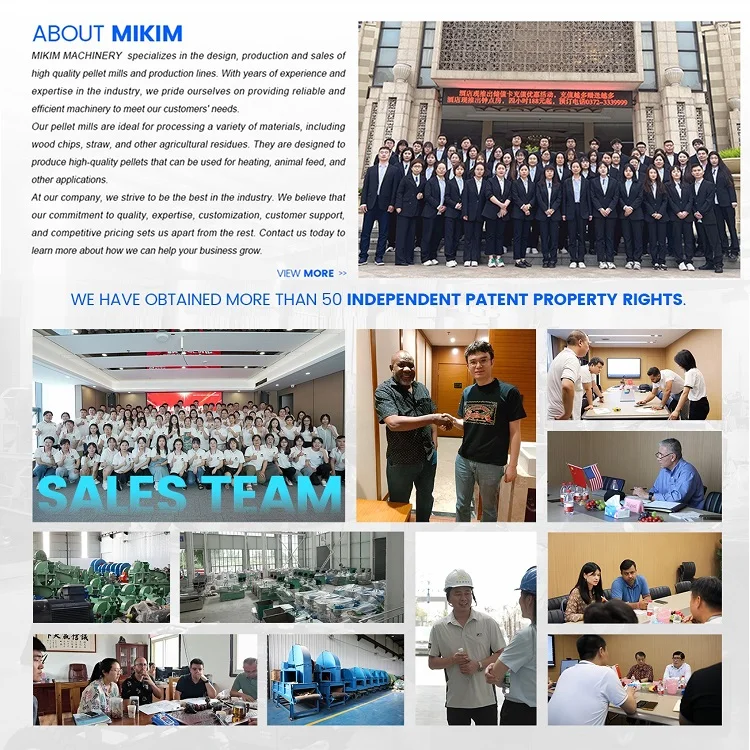
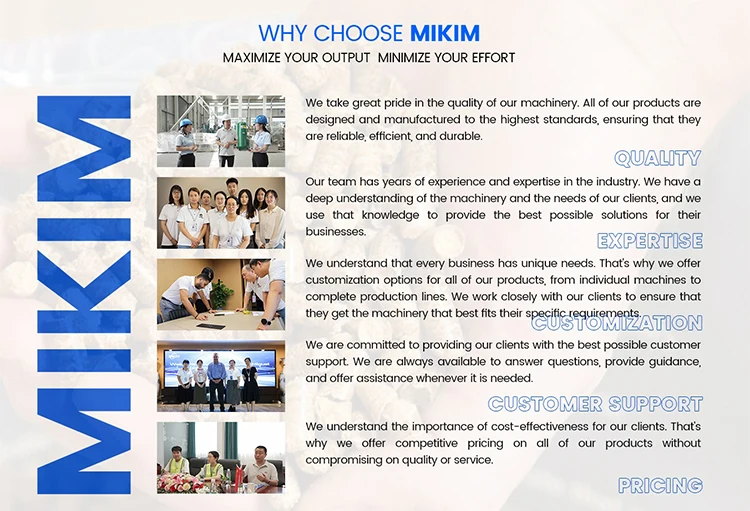
Company Profile
Factory Showcase




Hot Tags: 300-500kg/h Sheep Farm Feed Pellet Production Line, China 300-500kg/h Sheep Farm Feed Pellet Production Line manufacturers, suppliers, factory, straw feed pellet machine, gas powered feed pellet machine, fish meal feed pellet machine, hydraulic feed pellet machine, feed pellet machine for teaching purposes, feed pellet production machine
Send Inquiry
You Might Also Like

