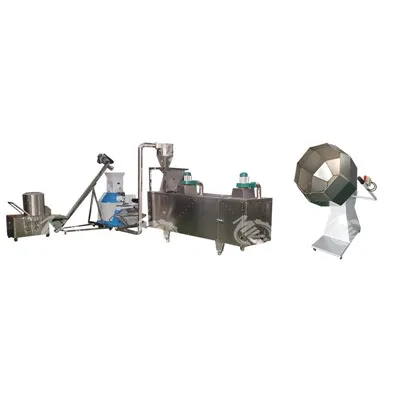
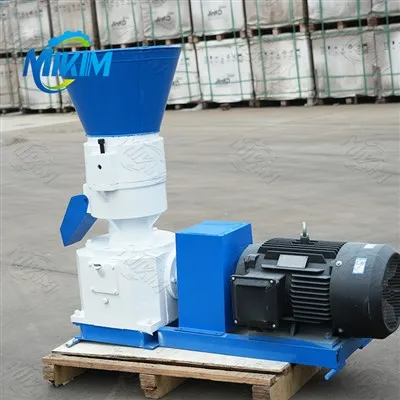
Can adjusting the process parameters of a fish meal making production line change its water resistance?
Leave a message
When processing extruded feed on a fish meal pellet production line, three "core parameters" must be precisely controlled: extrusion temperature, screw speed, and feeding speed. The parameter settings differ depending on the type of animal feed.
The first parameter is "extrusion temperature," which controls the pellet's "water resistance and nutritional value." For fish and shrimp feed, the extrusion temperature should be set at 115-125℃. This high temperature allows for complete starch gelatinization (above 90%), resulting in a more compact pellet structure that doesn't disintegrate even after soaking in water for 3-5 minutes. If the temperature is below 110℃, the starch gelatinization is insufficient, and the pellets will crumble easily after soaking. For pet food, the temperature should be slightly lower, set at 105-115℃, because pet food contains a lot of meat, and high temperatures can destroy the amino acids in the meat meal, affecting its nutritional value. The extruder barrel on the production line is heated in 3-4 sections, each with individually controllable temperatures. For example, the first section might be 100℃, the second 115℃, and the third 120℃, allowing the raw materials to heat up gradually and preventing localized overheating.
The second parameter is the "screw speed," which controls the "fluffiness and fineness" of the pellets. A faster screw speed means the raw material spends less time in the extruder, experiencing less compression and kneading, resulting in fluffier pellets. A slower speed means the raw material spends more time in the extruder, resulting in more thorough compression and denser pellets. When processing floating fish feed, a speed of 300 rpm produces fluffy pellets with air pockets that float on the surface; when processing sinking shrimp feed, a speed of 200 rpm produces denser pellets that sink to the bottom. The speed must also be matched to the raw material. For example, finely ground raw materials require a slightly faster speed; coarsely ground raw materials require a slower speed to prevent jamming. The screw speed of the fish meal pellet making production line can be adjusted via a frequency converter, allowing for convenient adjustments to speed.
The third parameter is the "feeding speed," which controls production efficiency and pellet uniformity. In a fish floating food production line, feeding too quickly results in too much material in the extruder, leading to excessive pressure, heavy screw load, and potential damage. Conversely, feeding too slowly results in insufficient material, causing the extruder to idle, wasting electricity, and reducing efficiency. Generally, the feeding speed should match the extruder's processing capacity. For example, an extruder capable of processing 300 kg of material per hour should have a feeding speed set at 300 kg/hour. The production line uses a variable frequency feeder to control the speed, with the screw conveyor inside delivering material at a uniform speed, ensuring consistent particle size. If the raw material has high moisture content, the feeding speed should be slightly slower to allow more time for processing within the extruder.


about Us
Customer visit

Certificate of Honor

FAQ
1. What is the price of the fish floating meal production line?
The price ranges from approximately $15,000-$49,000
2. Do you provide maintenance services for your customers?
Yes, we offer comprehensive after-sales maintenance services to our customers.