Common Issues in Dry pet food manufacturing process Solutions
Leave a message
content
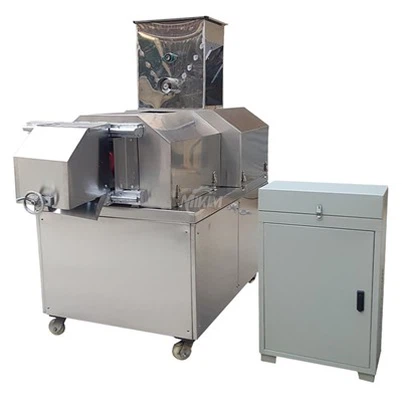
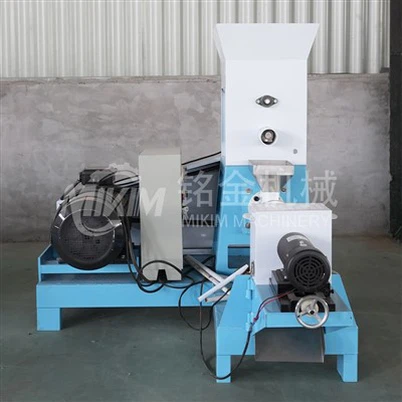
The most common problem in dry-process dog food production is "dog food pellets that don't form properly and are loose and brittle." The core reasons are often insufficient temperature in the dry dog food making machine or excessively low moisture content in the raw materials. If the extruder temperature is below 120℃, the starch cannot gelatinize fully, resulting in pellets lacking stickiness; if the raw material moisture content is below 10%, sufficient frictional heat cannot be generated, leading to poor cooking. Solutions: Increase the temperature of the extrusion section of the extruder to 120-140℃ and extend the preheating time (from 5 minutes to 10-15 minutes) to ensure stable extrusion chamber temperature; if the raw material moisture content is insufficient, spray a suitable amount of warm water to adjust the moisture content to 12%-15%. Also, check if the extruder die orifice diameter is too large. Using a die orifice diameter larger than 4mm for small dog food production will also cause pellets to be loose; a die orifice diameter appropriate for the extruder needs to be replaced.
Another common problem is "dog food with a burnt smell and black color," mainly caused by excessively high temperature in the automatic dog food machine or excessively slow screw speed. Temperatures exceeding 160℃ can easily cause localized scorching of the raw materials. If the screw speed is too low (below 300 rpm), the raw materials will remain in the extrusion chamber for too long, leading to over-cooking and scorching. Solutions: Adjust the extruder temperature back to 120-140℃. If the temperature cannot stabilize, check the temperature controller for malfunction and replace it promptly. Appropriately increase the screw speed to 300-400 rpm, while simultaneously increasing the feeding speed to shorten the residence time of the raw materials in the chamber. Furthermore, if scorched residue remains on the inner wall of the extrusion chamber, it will also cause subsequent raw materials to scorch; therefore, the screw and die should be disassembled regularly for thorough cleaning.
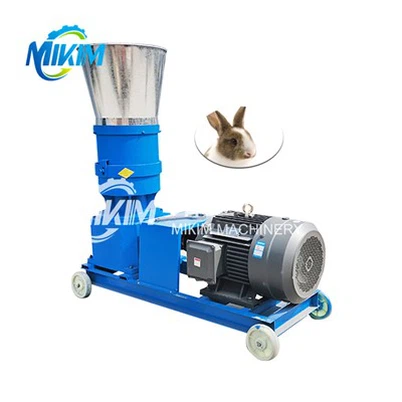
While "uneven nutrition in dog food and some kibble lacking certain ingredients" is related to the mixing process, the conveying stability of the small pet feed extruder machine also affects the final result. If the extruder's feeding speed fluctuates, it can cause the evenly mixed raw materials to separate, resulting in uneven nutrition in the finished product. Solutions: 1. Check the extruder's feeding system to ensure the inlet is clear. If manual feeding is used, maintain a stable feeding speed. If possible, install a small automatic feeder (priced at 1000-2000 RMB) to achieve uniform feeding. 2. Regularly check the wear of the extruder screw. Severe screw wear can lead to uneven raw material delivery; polishing or replacement of the screw is necessary.
3. Frequent clogging of the pet food processing machine is also a pain point in dry production, often due to large particles or excessive moisture in the raw materials. Solutions: Strengthen raw material pretreatment, ensuring the raw materials are pulverized to at least 80 mesh and impurities are thoroughly removed using a magnetic separator and vibrating screen. Strictly control the raw material moisture content to 10%-15% to prevent sticking. 4. Do not blindly disassemble the machine after clogging. First, disconnect the power and allow it to cool. Use a special cleaning rod to clear the blockage from the die head end in reverse, then manually rotate the screw to discharge any remaining raw materials.
The core of solving dry production problems is "precise control of the pet food extruder parameters + proper equipment maintenance." Producers need to be familiar with the performance of the extruder, conduct small-batch trial production to explore the optimal parameters, and maintain the equipment regularly in order to ensure stable production and avoid losses caused by common problems.
Related equipment



about Us
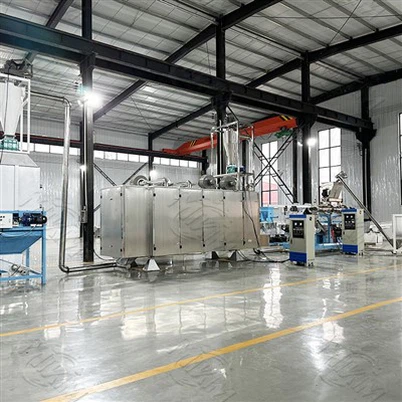
MIKIM's fish feed pellet production lines and supporting machinery offer excellent value for money. Not only are they affordable, eliminating middlemen markups and allowing small and medium-sized enterprises (SMEs) and fish farmers to purchase complete sets of equipment at reasonable costs, but they also boast exceptional efficiency. The fully automated process, from raw material crushing and precise ingredient mixing to extrusion pelleting and maturation, is completed in one continuous flow. This results in high starch gelatinization rates and uniform pellet formation, significantly improving production efficiency and feed quality, truly achieving "low cost, high output." Choosing a MIKIM fish feed pellet production line means enjoying comprehensive pre-sales and after-sales service, including 24-hour online customer support, a one-year warranty on the entire machine, professional on-site installation, commissioning, and maintenance, and a stable supply of spare parts. Customers can buy with confidence and use with peace of mind, with both excellent value and service quality!!!
Customer visit

Certificate of Honor

FAQ
1. What is the price of the Pet food making machine for home?
The price ranges from approximately $1,500-$55,000
2. Do you provide maintenance services for your customers?
Yes, we offer comprehensive after-sales maintenance services to our customers.
If you would like to learn more about MIKIM machinery, please contact us. We offer one-stop service and welcome your inquiries!!!