How to adjust the operating parameters of a small fish food extruder machine
Leave a message
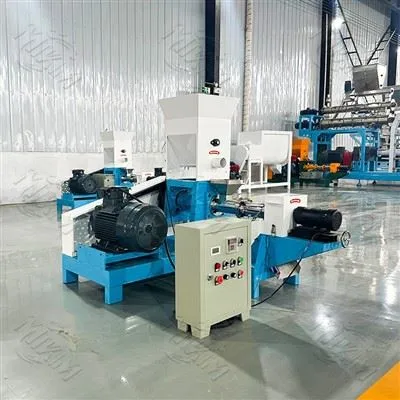
Whether it's fish and shrimp feed, pet feed, or cattle and sheep feed, the optimization of floating feed extruder machine process parameters follows a general logic of "raw material adaptation - initial parameter setting - trial production adjustment - stabilization and solidification." Mastering this framework allows for the rapid determination of optimal parameters based on specific feed characteristics, achieving a dual improvement in efficiency and quality.
The first step: Raw material characteristic analysis and initial parameter setting, which is the foundation of optimization. The core is to determine preliminary parameters based on the moisture content, particle size, and composition of the raw materials. Regarding moisture content, the general initial setting value is 14%-16%. Below 13%, water needs to be added during the conditioning stage; above 17%, pre-drying is required. Regarding particle size, feed materials for young animals should be ground to 60-80 mesh, and feed materials for adult animals to 40-60 mesh, corresponding to initial screw speed settings of 200-250 r/min and 250-300 r/min, respectively. Regarding composition, the initial extrusion temperature for high-protein raw materials (fish meal and meat meal ≥30%) is set at 85-95℃; for high-fiber raw materials (crude fiber ≥20%), the initial temperature is set at 110-120℃; and for starch-based raw materials, the initial temperature is set at 100-105℃.
The second step: small-scale trial adjustment and parameter optimization, this is the core step. Through small-batch trial production (50-100kg), monitor key indicators such as feed gelatinization rate, forming rate, and hardness, and gradually adjust parameters. If the gelatinization rate is insufficient (<80%), the extrusion temperature can be increased by 5-10℃ or the screw speed reduced by 20-30 r/min; if the forming rate is low (<90%), the compression ratio can be increased or the feed moisture content increased by 1%-2%; if the pellets are too hard, the extrusion temperature can be reduced or the screw speed increased. Simultaneously, monitor equipment operating indicators. If the motor current exceeds the rated value by 10%, the feed speed needs to be reduced or the raw material moisture content increased to avoid equipment overload; if blockage occurs, the feed gap can be increased or the feed speed reduced.
Step 3: Batch Verification and Parameter Consolidation to Ensure Stable Production. Apply the parameters determined in the small-scale trial to batch production (1-2 tons), continuously monitoring product quality and equipment operating status. Regarding quality, ensure a gelatinization rate ≥85%, a molding rate ≥95%, and hardness meeting the requirements of the corresponding animals. Regarding equipment, ensure no blockages or abnormal noise, and that the motor current remains stable at 80%-90% of its rated value. If quality fluctuations occur during batch production, analyze the causes and fine-tune the parameters; for example, if the ambient temperature decreases by 5°C, the puffing temperature can be increased by 3-5°C. After parameter consolidation, establish a "parameter-raw material-product" correspondence file, recording the optimal parameters under different conditions to provide a basis for subsequent production.
Related equipment

about Us
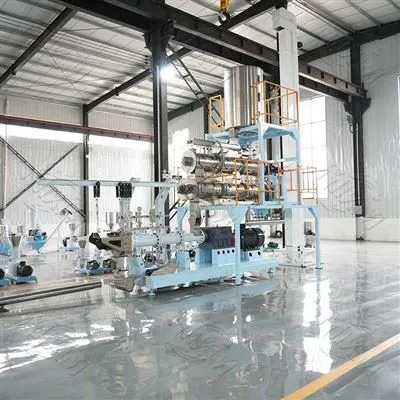
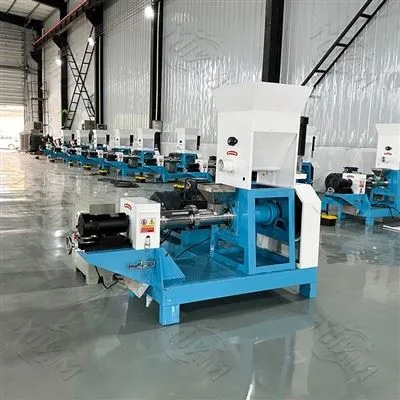
MIKIM's fish feed pellet production lines and supporting machinery offer excellent value for money. Not only are they affordable, eliminating middlemen markups and allowing small and medium-sized enterprises (SMEs) and fish farmers to purchase complete sets of equipment at reasonable costs, but they also boast exceptional efficiency. The fully automated process, from raw material crushing and precise ingredient mixing to extrusion pelleting and maturation, is completed in one continuous flow. This results in high starch gelatinization rates and uniform pellet formation, significantly improving production efficiency and feed quality, truly achieving "low cost, high output." Choosing a MIKIM fish feed pellet production line means enjoying comprehensive pre-sales and after-sales service, including 24-hour online customer support, a one-year warranty on the entire machine, professional on-site installation, commissioning, and maintenance, and a stable supply of spare parts. Customers can buy with confidence and use with peace of mind, with both excellent value and service quality!
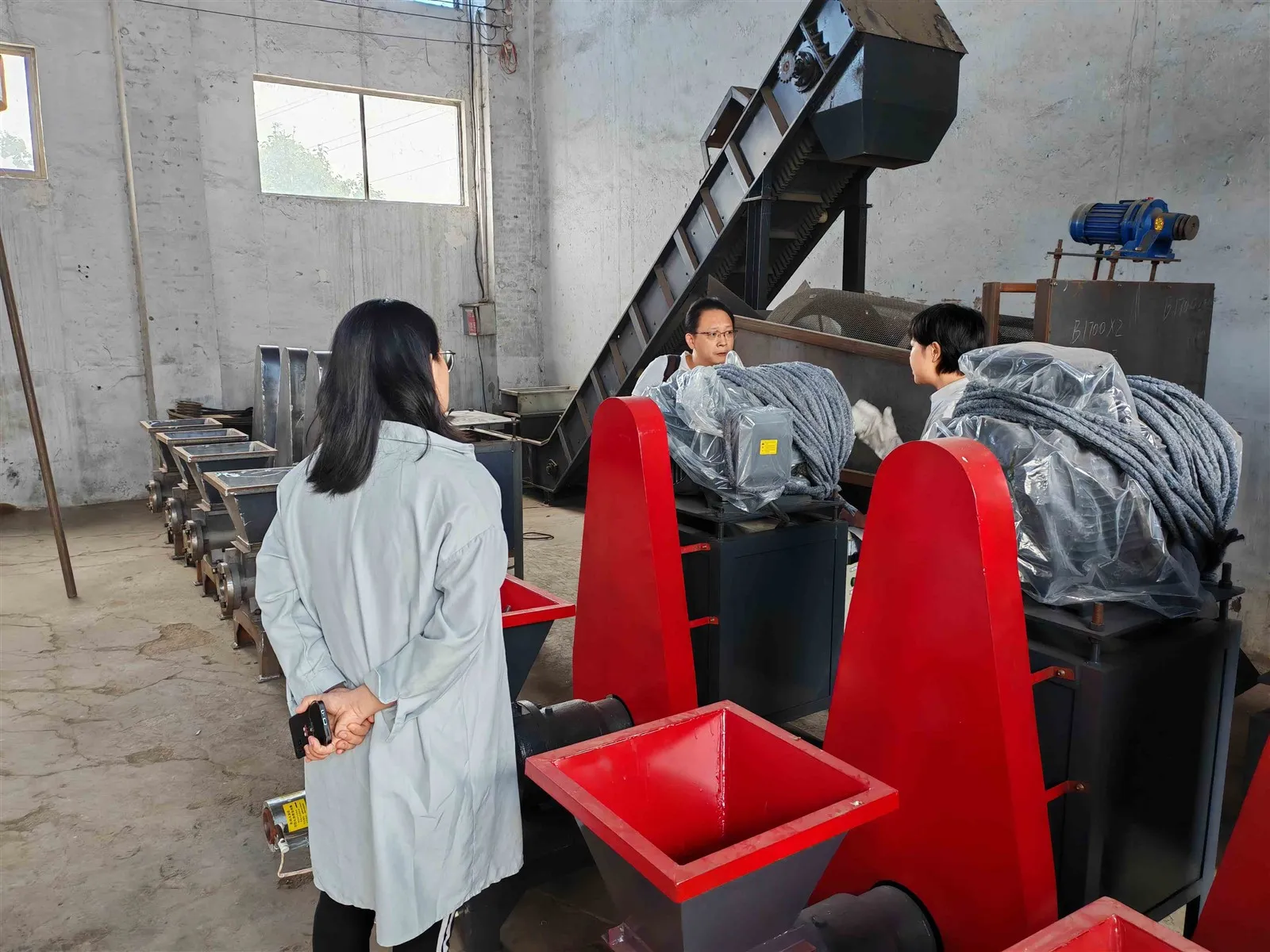
Customer visit
Certificate of Honor