


How to ensure safe and efficient feed pelletizer operation in winter?
Leave a message
Feed mills face not only increased equipment failures in winter but also a potential decline in production efficiency-a typical hourly output of 1 ton of pellets could drop to 0.8 tons in winter. Workers also experience reduced efficiency (due to low temperatures and inflexible operations), leading to increased raw material waste. This isn't caused by a single factor, but rather a combination of environmental issues such as low workshop temperatures, abnormal humidity, and insufficient light. Optimizing the production environment is key to improving efficiency in winter.
Precautions and reasons
1. Controlling workshop temperature: Avoid low temperatures that affect equipment operation and personnel.
Cause: Excessively low workshop temperatures in winter (e.g., temperatures in unheated workshops in northern China can drop below 5°C) can not only lead to equipment lubrication failure and raw material caking (as mentioned above), but can also cause stiffness and inflexibility in workers (for example, slow movements when adjusting ring dies or cleaning equipment), resulting in extended equipment adjustment times (from 10 minutes in summer to 20 minutes in winter).Furthermore, low temperatures reduce the toughness of metal components, increasing the risk of wear during equipment operation.
Solution: Install heating or industrial hot air blowers in the workshop to maintain a temperature between 15°C and 20°C. Use lubricants with good low-temperature performance for critical equipment components (such as bearings and transmissions) to reduce failures caused by lubrication failure.
2. Adjusting workshop humidity: Preventing moisture from entering the raw materials and rusting the equipment.
Cause: In winter, the temperature difference between indoor and outdoor temperatures is large. Poor workshop ventilation can easily lead to condensation, which can cause moisture and mold in the raw materials, affecting pellet quality. A humid environment can also accelerate corrosion of metal components in feed pellet machines, shortening equipment life. For example, residual damp raw materials that aren't cleaned promptly can form stubborn clumps in the pelletizing chamber, disrupting normal production.
Solution: Install dehumidification equipment to control the workshop relative humidity to 40%-60%. Improve ventilation to prevent condensation accumulation. Install moisture-proof mats in the raw material storage area, store away from walls and the ground, and regularly check the raw material humidity.
3.Increase Workshop Lighting: Ensuring Operational Safety and Production Accuracy
Reason: Shorter daylight hours and insufficient natural light in winter can lead to poor visibility for workers, causing metering errors, operational mistakes, and even safety accidents when operating feed pellet mills. For example, misreading the scale when adjusting the feeding speed due to insufficient light can directly affect the pellet quality and production efficiency.
Solutions: Increase workshop lighting appropriately to ensure a light intensity of 300-500 lux in the work area; prioritize warm white LED lights, which provide sufficient illumination and help increase workshop temperature; clean the lights regularly to ensure stable lighting effects.

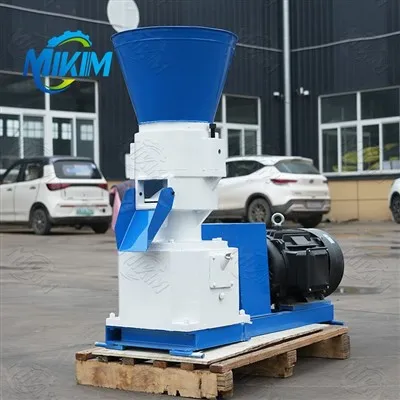


Why Choose Us
MIKIM boasts extensive experience in poultry feed pellet production lines, significantly reducing the incidence of poultry diseases. Its equipment is not only widely used across various industries domestically but also exported to Southeast Asia, Europe, Africa, and South America, earning a high reputation internationally. This global presence not only demonstrates the adaptability and competitiveness of its products, but also demonstrates the company's experience in adapting to diverse market standards and logistics conditions, enabling it to provide a stable supply chain for its overseas customers. Whether serving large domestic farms or cross-border feed companies, MIKIM can leverage its global service network to ensure a consistent, high-quality experience.
For more information on process flow design, equipment layout, factory construction plans, individual equipment pricing, or turnkey project proposals, please feel free to contact us!!!

FAQ
1. What is the price of the grain pellet machine?
The price ranges from approximately $3,000-$5,000
2. Do you provide maintenance services for your customers?
Yes, we offer comprehensive after-sales maintenance services to our customers.


