How to Make Floating Fish Feed Using a Fish Feed Pellet Making Machine?
Leave a message
The Role of Fish Feed Pellet Making Machines in Aquaculture
In the growing world of aquaculture, fish farming plays a critical role in ensuring sustainable seafood production. One of the key factors that contribute to the success of fish farming is the quality of fish feed. Floating fish feed, in particular, is highly preferred for its benefits in terms of feeding efficiency and digestibility. This article will explore how a fish feed pellet making machine can be used to produce high-quality floating fish feed, benefiting both small-scale and large-scale fish farms.
What Is a Fish Feed Pellet Making Machine?
A fish feed pellet making machine is a piece of equipment used to process raw materials into compact, uniformly shaped pellets. The machine can produce both sinking and floating fish feed pellets, with floating feed being highly sought after due to its advantages in feeding fish at different water levels.
How the fish feed pellet maker machine Works:
- Ingredient Mixing: The raw materials, including grains, fishmeal, vitamins, and other additives, are mixed thoroughly.
- Extrusion Process: The mixed ingredients are fed into the pellet machine, where they are subjected to high pressure and temperature. This process ensures the feed pellets are of optimal density and durability.
- Pellet Formation: The extruded mixture is shaped into small, uniform pellets. For floating fish feed, the machine adjusts the extrusion process to ensure the pellets are buoyant.
- Drying and Cooling: Once the pellets are formed, they are dried and cooled to preserve the quality and ensure long shelf life.
👉Click here to learn more about the automatic floating fish feed making machine.
Benefits of Floating Fish Feed Pellets
1. Better Feed Conversion Rate (FCR):
Floating fish feed is easy for fish to access, reducing waste and ensuring more efficient feed conversion. As a result, fish are able to gain weight faster and in a healthier manner, which is essential for the growth of farmed fish.
2. Increased Nutrient Absorption:
Floating pellets allow fish to consume feed at the surface, making it easier for them to digest and absorb nutrients. The optimal size and texture of the floating pellets contribute to better digestion and overall health.
3. Waste Reduction:
Floating fish feed pellets reduce the amount of uneaten food that sinks to the bottom of the water, minimizing waste and water contamination. This makes the farming environment cleaner and more sustainable.
4. Long Shelf Life and Ease of Storage:
The extrusion process used in making floating pellets ensures they are dried thoroughly, which extends their shelf life. Properly stored floating feed can last longer, ensuring a steady supply for fish farms.
How to Make Floating Fish Feed Using a floating fish feed extruder machine?
1. Select the Right Ingredients for Floating Fish Feed
The quality of the ingredients used plays a critical role in the final product. Key ingredients typically include:
- Fishmeal or animal protein for optimal growth.
- Grains (corn, wheat, soy) for energy.
- Vitamins and minerals to support health.
- Binders to ensure pellet integrity.
For floating feed, the ingredients need to be processed in a specific manner to ensure the pellets remain buoyant when placed in water.
2. Pre-processing and Mixing of Ingredients
Before feeding the raw materials into the pellet machine, it's crucial to mix them properly. Ensure all ingredients are finely ground and uniformly mixed. This step helps in producing consistent pellets with the right texture and nutritional content.
3. Adjust Extruder Settings for Floating Feed
To create floating fish feed, the settings on the pellet machine must be adjusted accordingly. The key adjustments include:
- Moisture content: The feed's moisture content must be controlled to ensure buoyancy.
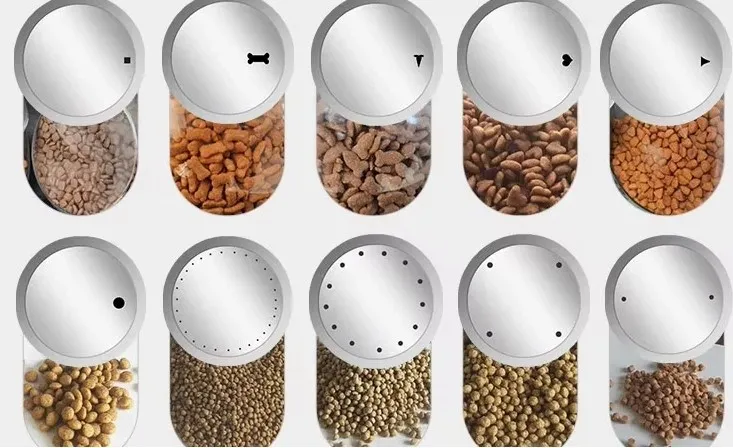
- Die size: The size of the die (the mold through which the feed is extruded) needs to be selected based on the desired pellet size for the fish being farmed.
- Temperature and pressure: The temperature and pressure settings during extrusion help control the density of the pellets. For floating feed, the machine should reduce the density to ensure the pellets stay afloat.
4. Pellet Extrusion Process
The extruder works by applying high pressure and temperature to the mixture of ingredients, creating a dough-like substance. This mixture is then forced through the die, forming the feed pellets. The pressure, moisture content, and extrusion time must all be finely tuned to produce floating pellets.
5. Cooling and Drying the Pellets
After extrusion, the fish feed pellets need to be cooled and dried. Cooling is necessary to reduce the temperature and prevent the pellets from becoming too brittle. Proper drying ensures that the pellets maintain their shape and don't break apart easily when exposed to water.
Key Features of a small electric fish feed extruder machine
When selecting a small electric fish feed extruder machine, consider the following features to ensure efficiency and quality production:
- Adjustable Die for Pellet Size:
The ability to adjust the die size is crucial for producing pellets of the right size for different fish species.
- Temperature and Pressure Control:
Advanced machines allow for precise control of temperature and pressure, ensuring the right density for floating pellets.
- Energy Efficiency:
Choose a pellet machine with energy-saving features to keep production costs low.
- High Output Capacity:
A machine with a high production capacity will meet the needs of large-scale fish farms, while smaller-scale machines are suitable for local or small-scale farms.
How Floating Fish Feed Enhances Aquaculture Efficiency
Floating fish feed not only improves fish growth rates but also enhances feeding management. Since the pellets float, they allow fish farmers to observe feeding patterns, making it easier to monitor fish health and adjust feeding practices accordingly.
Additionally, the controlled feed intake helps reduce overfeeding and underfeeding, promoting better use of resources and ensuring optimal growth rates across the fish population.
Customer Case Studies: Success with floating fish feed pellet making machines
Case Study 1:
A medium-sized fish farm switched to using a small fish food pellet making machine for their floating feed production. The farm reported a 25% reduction in feed waste and a 15% improvement in fish growth rates after the switch.
Case Study 2:
A large-scale commercial fish farm increased its output by 40% using automated pellet machines. The farm's ability to produce customized floating feed for different species led to better efficiency and higher profitability.
Customer photos of factory visits


FAQ
Q1: How long do floating fish feed pellets last in water?
Floating fish feed pellets typically last anywhere from 30 minutes to an hour before breaking down. The duration depends on the pellet's size, moisture content, and environmental conditions.
Q2: Can a small floating fish feed pellet extruder mill produce both sinking and floating fish feed?
Yes, many pellet making machines have adjustable settings to produce both sinking and floating pellets. The extrusion process is modified to meet the specific density requirements.
Q3: What are the benefits of floating fish feed over sinking feed?
Floating feed allows fish to feed on the surface, making it easier for farmers to monitor feeding patterns, reduce waste, and ensure better nutrient absorption.
Conclusion: The Future of Fish Feed Production with floating fish feed pellet extruder machines
floating fish feed pellet extruder machines have revolutionized the way fish farms produce feed. With the ability to create high-quality floating fish feed, these machines offer improved feed conversion rates, reduced waste, and enhanced growth for farmed fish. Investing in a pellet machine can greatly improve the efficiency and sustainability of aquaculture operations, contributing to a more profitable and eco-friendly industry.
Company Profile