How to select a processing line suitable for floating feed requirements
Leave a message
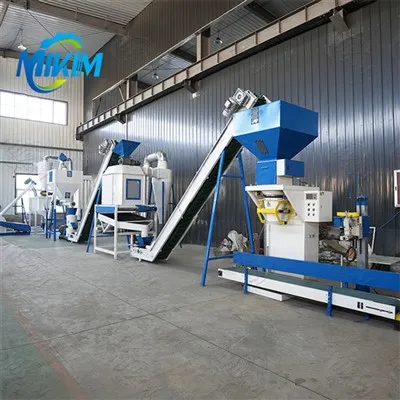
Grass carp are typically raised using floating pellet feed, which must be able to float in water for more than 4 hours without disintegrating. If the wrong production line is chosen, the feed will easily sink to the bottom or disperse quickly. For example, small grass carp farms would waste money by buying large-scale extrusion production lines; while large farms using ordinary pellet production lines would produce feed that doesn't float, resulting in insufficient feed for the grass carp and slow growth.
Key Selection Factors (Based on Grass Carp Feed Requirements)
Capacity Matching: Select Production Line Size Based on Farming Scale
1. Small-scale farms (under 50 mu, requiring approximately 0.5-1 ton of feed per day): A "small-scale floating feed production line" is recommended. The main equipment includes an "80-mesh ultrafine pulverizer + twin-shaft mixer + small extruder with a capacity of 1 ton per hour + cooler." This equipment costs 250,000-350,000 RMB, occupies 60-80 square meters, and is sufficient for the daily floating feed needed for grass carp.
2. Medium-scale farms (50-200 mu, requiring 2-5 tons of feed per day): A "medium-scale automated production line" is suitable. In addition to basic equipment, it includes an automatic batching system (capable of batching 8 kinds of raw materials with an error of no more than 0.3%) and a vibrating screen (capable of sieving out 2-4 mm particles). The investment is 600,000-900,000 RMB, occupies 150-200 square meters, and significantly improves production efficiency.
3. Large-scale farms (over 200 acres, requiring more than 8 tons of feed per day): Require a "large-scale intelligent production line," including a variable frequency extruder system (capable of producing 8-12 tons per hour) and an MES management system. Although it costs 1.8-2.5 million yuan, it is particularly suitable for large-scale farming and offers exceptional efficiency.
Core Equipment: Focus on the Extruder and Conditioning System
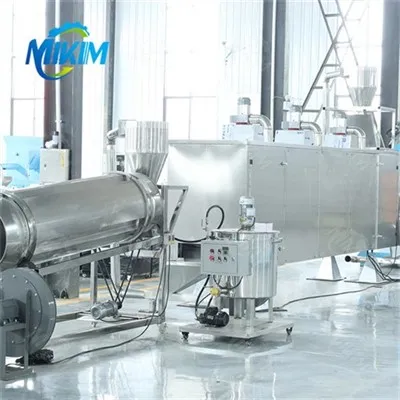
1. Extruder: Choose a "single-screw aquaculture-specific extruder." Maintain the barrel pressure at 0.8-1.2 MPa and the temperature at 120-130℃. This will ensure the feed achieves an extrusion rate of over 90%, guaranteeing it floats. Avoid ordinary pellet mills (they won't produce floating feed), and twin-screw extruders are unnecessary (too expensive, unsuitable for small farms).
2. Conditioning System: Use a "double-layer conditioner." Control the conditioning time to 60-90 seconds to achieve a starch gelatinization rate of over 85%. Also, use a steam pressure stabilizing device (pressure 0.4-0.6 MPa) to prevent the feed from easily scattering.
Cost control: Small and medium-sized farms should prioritize core needs and gradually upgrade.
If your budget is limited, don't buy automatic packaging machines yet (manual packaging is sufficient), and you don't need to build a dedicated storage system for raw materials (simple stacking is fine). Later, when the farm grows larger, you can install automatic packaging lines (capable of packaging 30-50 bags per hour) and build silos to store raw materials like corn and soybean meal. This way, you can save money initially.


Why Choose Us
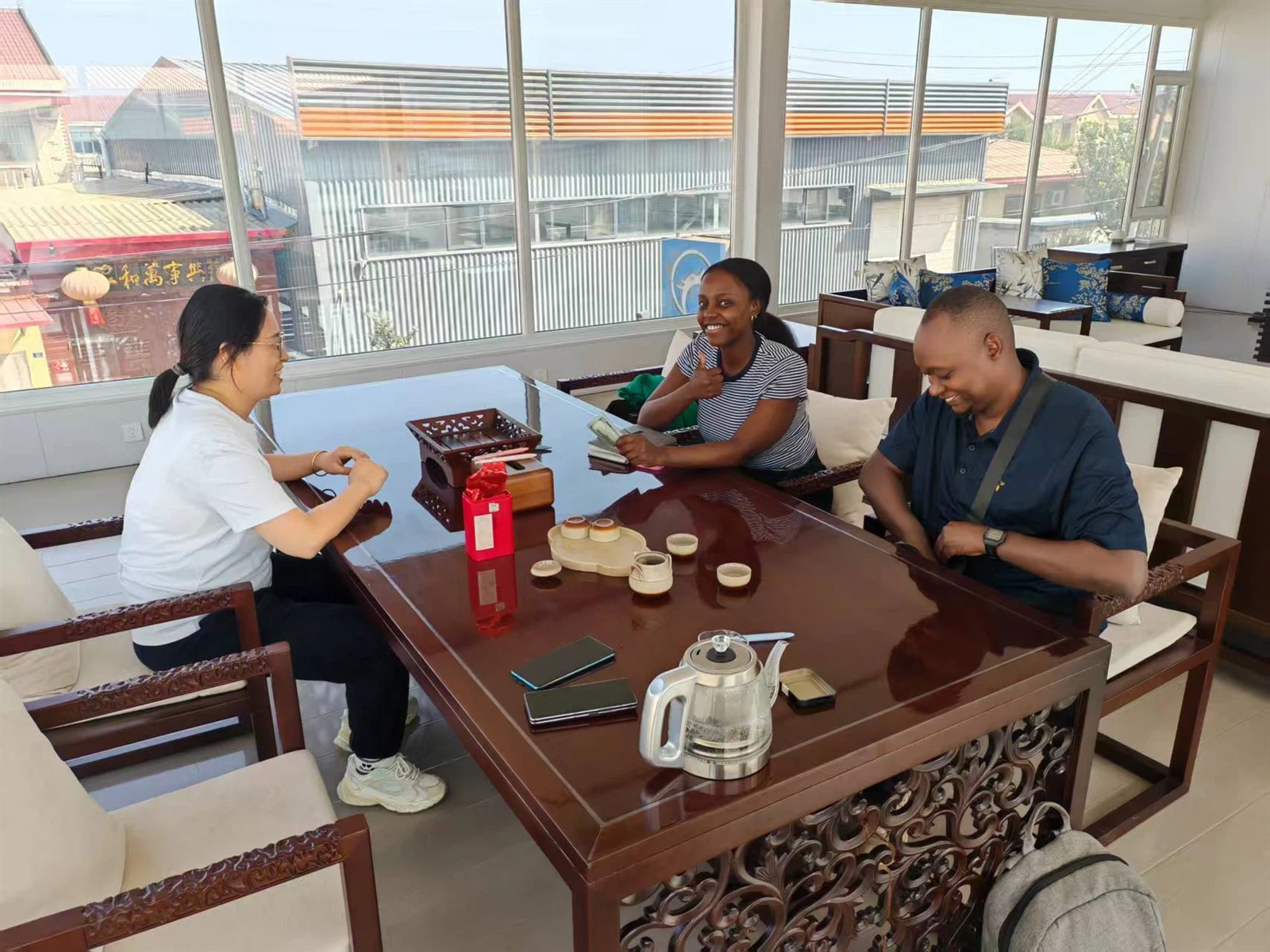
MIKIM boasts extensive experience in poultry feed pellet production lines, significantly reducing the incidence of poultry diseases. Its equipment is not only widely used across various industries domestically but also exported to Southeast Asia, Europe, Africa, and South America, earning a high reputation internationally. This global presence not only demonstrates the adaptability and competitiveness of its products, but also demonstrates the company's experience in adapting to diverse market standards and logistics conditions, enabling it to provide a stable supply chain for its overseas customers. Whether serving large domestic farms or cross-border feed companies, MIKIM can leverage its global service network to ensure a consistent, high-quality experience.
For more information on process flow design, equipment layout, factory construction plans, individual equipment pricing, or turnkey project proposals, please feel free to contact us!!!
FAQ
1. What is the price of the fish feed extruder line?
The price ranges from approximately $10,500-$34,000
2. Do you provide maintenance services for your customers?
Yes, we offer comprehensive after-sales maintenance services to our customers.