


If the animal feed extruder machine is powered on in the correct order, will it start up successfully on the first try?
Leave a message
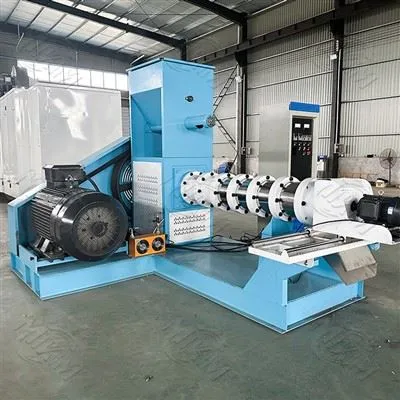
The first step is preheating the machine. Turn on the power but do not feed any material; let the extruder or extruder run idle. While the extruder is running idle, raise the temperature to the set value (e.g., 180℃ for producing plastic granules, 110℃ for producing feed). Use a thermometer to measure the temperature of the extruder head. After reaching the set temperature, maintain the temperature for 10-15 minutes to ensure uniform temperature distribution across all machine components. For the feed extruder, the temperature does not need to be too high; 80℃ is sufficient. Simultaneously check the motor speed for abnormal fluctuations and ensure the current is within the normal range (generally not exceeding 60% of the rated current).
The second step is slow feeding to allow the machine to "adapt" to the raw material. After preheating, begin feeding, starting slowly. For example, use a manual feeder at a rate of 5-10 catties of raw material per minute, or set the automatic feeder to its lowest speed. Simultaneously, closely observe the equipment: if material slowly emerges from the cold feed extruder's outlet and pellets are formed, there's no problem; if no material comes out of the extruder's die orifice, or if there are abnormal noises, immediately stop feeding, run the machine idle for 1-2 minutes, check for die blockage, clean it, and try again. This step should not be rushed; allow the machine to gradually adapt to the raw material to avoid sudden overfeeding causing jamming.
The third step is to gradually increase the speed to enter normal production. After the output stabilizes, slowly increase the feeding speed while adjusting the equipment parameters: for the extruder pellet machine, adjust the screw speed according to the compactness of the output (e.g., if the output is too loose, increase the speed; if too tight, decrease the speed); for the feed pellet extruder, adjust the temperature according to the degree of pellet expansion (e.g., if insufficiently expanded, increase the temperature by 5-10℃; if too fluffy, decrease the temperature by 5℃). After each adjustment, observe for 1-2 minutes to see if there are any changes in product quality until the ideal state is reached, then fix the speed and enter normal production. In addition, the products from the first 5 minutes after powering on should be collected separately, because the equipment parameters are not completely stable at the beginning and the products may be unqualified. Do not mix them with the qualified products later.



about Us
Customer visit

Certificate of Honor

FAQ
1. What is the price of the fish food extruder?
The price ranges from approximately $7,000-$24,000
2. Do you provide maintenance services for your customers?
Yes, we offer comprehensive after-sales maintenance services to our customers.


