


Is a manual fish feed pellet machine difficult to use?
Leave a message
First, the structure of the manual fish feed making machine itself is the core factor affecting the level of effort required. Manual pellet mills on the market are divided into two types: direct-drive and gear-reduction, with significant differences in effort-saving. Direct-drive pellet mills have the hand crank directly connected to the pressure roller, lacking a speed-reduction and torque-boosting structure. During processing, the hand crank must directly resist the resistance of the raw material extrusion, especially when pressing high-fiber materials, resulting in a strong sense of sluggishness and considerable effort. Gear-reduction pellet mills, on the other hand, amplify the hand crank torque through a 2:1 or 3:1 gear ratio, improving the effort-saving effect by 40%-50% under the same material conditions. Furthermore, the gap between the pressure roller and the die is also crucial. Too small a gap leads to excessive material extrusion resistance, making hand cranking difficult; too large a gap results in poor pellet formation, requiring repeated extrusion and indirectly increasing labor intensity. High-quality manual pellet mills are usually equipped with a gap adjustment knob, allowing users to precisely adjust according to the characteristics of the raw materials.
Second, the pre-treatment of the raw materials directly affects the operating resistance. The moisture content and particle size of the raw materials are key variables determining the level of effort required for hand cranking. Excessive moisture content in raw materials (above 18%) increases viscosity, causing blockages in the die orifices and requiring greater force to extrude the material during hand-cranking. Conversely, insufficient moisture content (below 12%) results in poor material flowability, making it difficult for the pressure rollers to propel the material, also increasing operational difficulty. Practice has shown that controlling the moisture content of core raw materials such as corn flour and soybean meal at 14%-16% is the optimal range for balancing forming quality and labor-saving operation. Simultaneously, the particle size of the raw materials is also crucial. Overly coarse particles (below 40 mesh) make it difficult for the material to pass through the die orifices during extrusion, drastically increasing hand-cranking resistance. Grinding the material to 60-80 mesh significantly reduces extrusion resistance, making hand-cranking operation smoother.
Finally, proper operation of the manual floating fish feed machine effectively reduces labor intensity. Many fish farmers use inconsistent hand-cranking speeds, which not only easily leads to uneven pellet formation but also subjectes muscles to frequent peak resistance, exacerbating fatigue. The correct approach is to maintain a constant hand crank speed, utilizing inertia to drive the equipment and reducing the need for instantaneous force. Simultaneously, use a "small amount, multiple times" feeding method to avoid excessive material accumulation inside the machine, which increases resistance. Furthermore, applying a small amount of vegetable oil inside the mold hole before processing can act as a lubricant, further reducing friction between the material and the mold, making operation easier.
Related equipment


about Us
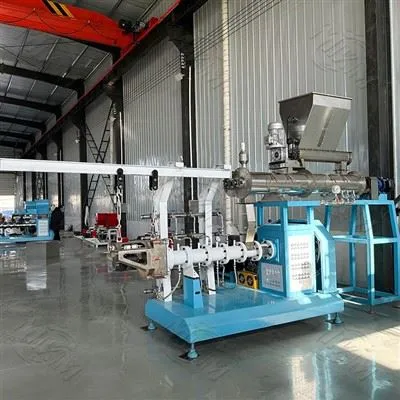
MIKIM's fish feed pellet production lines and supporting machinery offer excellent value for money. Not only are they affordable, eliminating middlemen markups and allowing small and medium-sized enterprises (SMEs) and fish farmers to purchase complete sets of equipment at reasonable costs, but they also boast exceptional efficiency. The fully automated process, from raw material crushing and precise ingredient mixing to extrusion pelleting and maturation, is completed in one continuous flow. This results in high starch gelatinization rates and uniform pellet formation, significantly improving production efficiency and feed quality, truly achieving "low cost, high output." Choosing a MIKIM fish feed pellet production line means enjoying comprehensive pre-sales and after-sales service, including 24-hour online customer support, a one-year warranty on the entire machine, professional on-site installation, commissioning, and maintenance, and a stable supply of spare parts. Customers can buy with confidence and use with peace of mind, with both excellent value and service quality!
Customer visit

Certificate of Honor

FAQ
1. What is the price of the fish feed pellet extruder?
The price ranges from approximately $3,500-$55,000
2. Do you provide maintenance services for your customers?
Yes, we offer comprehensive after-sales maintenance services to our customers.
If you would like to learn more about MIKIM machinery, please contact us. We offer one-stop service and welcome your inquiries!!!


