


What does a 4 tonne/hour Automatic feed puffing production line include?
Leave a message
Automatic feed puffing production line
In the feed processing industry, twin-screw extrusion technology is becoming synonymous with efficient production. It represents not only increased production capacity but also innovative processing techniques. These production lines, typically equipped with a professional-grade extruder, are capable of meeting the diverse production needs of fish feed, poultry feed, and pet food.

| Capacity | 3-4t/h |
| Pellet size | 1-12mm |
| Range of application | large commerical Aquatic /pets feed factory |
| Size for whole line | According to land size and layout |
| Workers requirments | 2-3 people |
| Shipment requirments | 4*40ft container |
The core advantages of Automatic feed puffing production line:
1. Core Advantages of the Wet Process
The most significant differences between traditional dry extrusion and wet extrusion lie in moisture control and thermodynamic treatment. The wet process injects an appropriate amount of steam during the raw material pretreatment stage to maintain the moisture content in the ideal range of 25%-35%. This treatment method offers three substantial benefits: starch gelatinization can be increased to over 90%, significantly improving feed digestibility and absorption; and the finished pellets have a more uniform porous structure, which is crucial for the suspension properties of aquatic feeds.
2. Key Points in Production Line Configuration
To achieve stable hourly production, the entire production process must be systematically considered. The post-expansion process requires a multi-layer continuous dryer. The extrusion temperature for fish feed is typically controlled between 110-130°C, while that for poultry feed can be appropriately lowered to between 90-110°C.
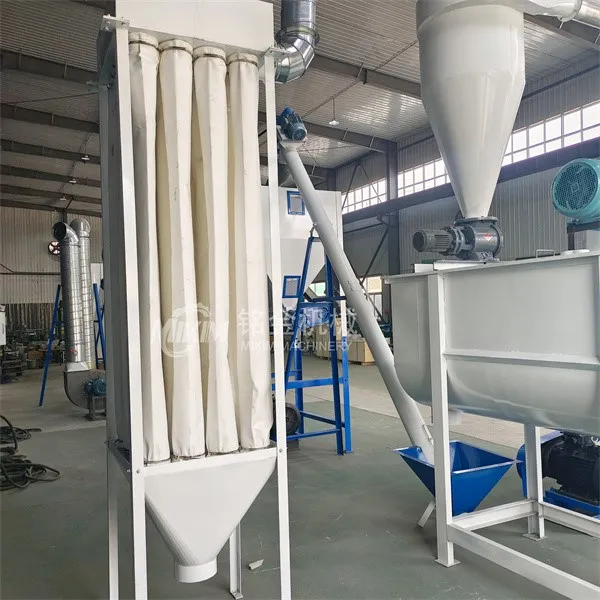

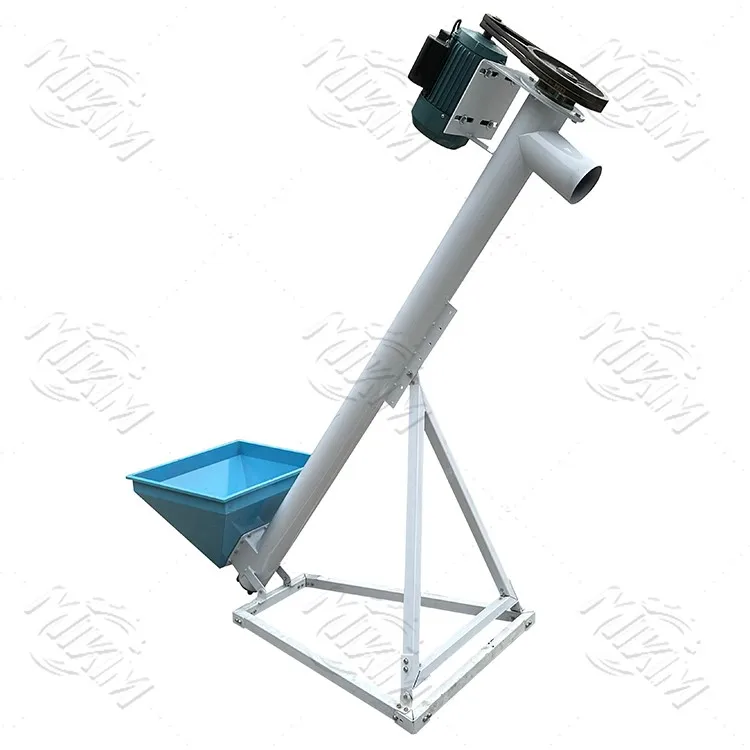


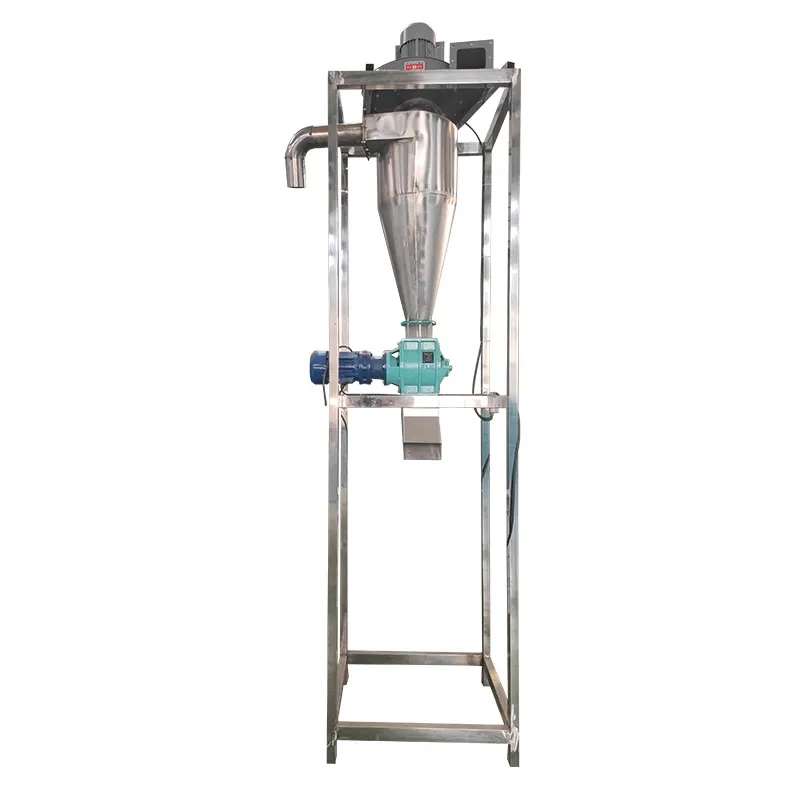


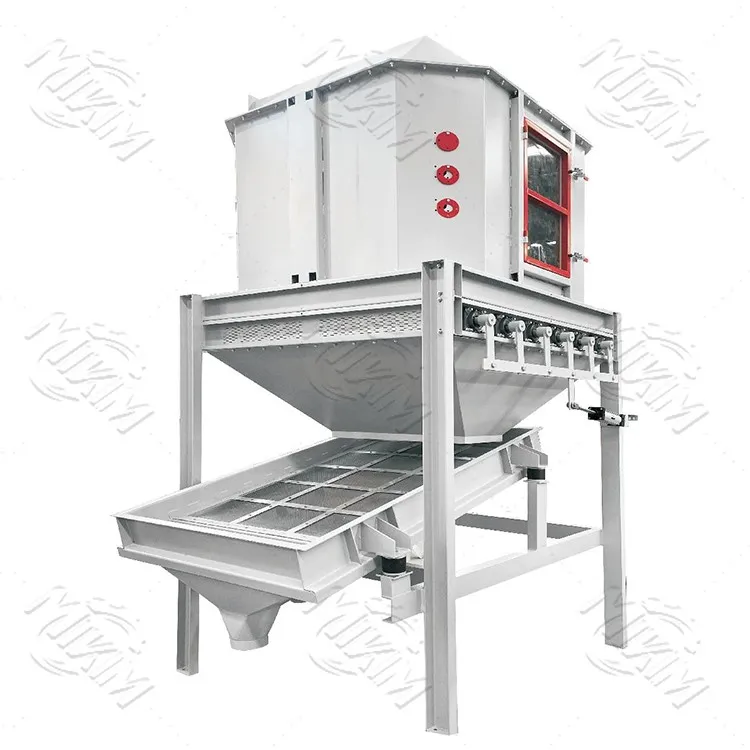
3. Practical Solutions for Energy Efficiency Management
Large-scale production lines focus on energy consumption through diversification. Using waste heat from the drying process for raw material preheating can reduce steam consumption by approximately 15%. Using a permanent magnet synchronous motor to drive the extruder saves over 20% of electricity compared to traditional asynchronous motors.
4. Return on Investment
In practice, the payback period for this type of production line is typically 18-24 months. Small and medium-sized investors may consider a phased approach, first establishing a basic production line to meet current needs while reserving interfaces for future expansion.
FAQ
Q: Are you a factory?
A: Yes, we are. We have extensive production experience. Our equipment undergoes multiple quality inspections before shipment to ensure quality.
Q: Are there any discounts on equipment?
A: Because we are a factory, we can offer lower prices.
Q: How do I choose the right equipment for my needs?
A: We will match you with the most suitable production line equipment based on your specific needs.
For more information on process design, equipment layout, plant construction plan, single machine equipment quotation, turnkey quotation, etc., please feel free to contact us.
Qualifications and Honors


