How to choose between floating pellet feed and sinking pellet feed?
Leave a message
How to choose between floating pellet feed and sinking pellet feed?
To cater to the feeding habits of different aquatic animals, two mainstream product forms have emerged on the market: extruded feed that floats on the water surface and slowly sinking feed. How professional aquatic feed production lines can process these two distinct feed characteristics has become a topic of concern for many aquatic feed manufacturers.
Different aquatic animals have their own feeding habits. For example, top-dwelling fish like koi and goldfish prefer to feed on the surface, while bottom-dwelling fish like scavengers and turtles forage at the bottom. The buoyancy and sinking properties of feed directly impact aquaculture performance.
-Floating feed (expanded feed): Through a high-temperature and high-pressure extrusion process, the feed develops a porous structure with a density lower than water, allowing it to float for extended periods. This type of feed facilitates monitoring of fish feeding activity and reduces contamination from leftover bait.
-Sinking feed (sinking feed): Using low-temperature extrusion or a special formula, the feed sinks slowly, making it suitable for bottom-dwelling fish, shrimp, and crabs, thereby reducing feed waste.
Both floating and sinking feeds require specialized equipment, primarily encompassing raw material pretreatment, mixing, pelleting, drying, and packaging.

| Size for whole line | According to land size and layout. |
| Pellet size | 1-12mm |
| Capacity | 5-10t/h |
| Workers requirments | 4-5people |
| Shipment requirments | 5*40ft container |
| Range of application | large commerical Aquatic/ pets feed factory |
| Process flow | 1.bucket elevator 2.raw materials cleaning system-3.silos for crusher 4.crusher 5.Raw material automatic distribution weighing system 6.mixing system 7.second crushing system 8.Raw material automatic distribution weighing system 9.second mixing system 10.extruder 11.drying system 12.screen system -13.seasoning machine 14.cooling system 15.packing system |
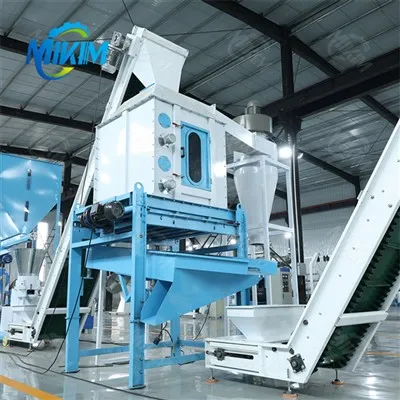
The fish feed pellet production line probably includes the following equipment:


-Raw Material Grinding and Mixing: Feed raw materials must be finely ground to ensure uniform particle size, then blended in a blender to ensure nutritional balance.
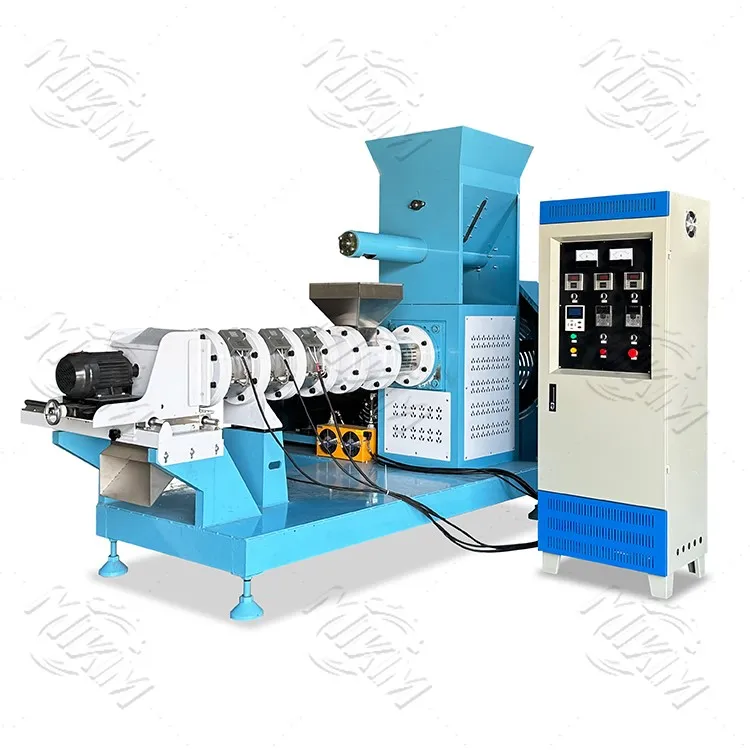
-The extruder is the core equipment in feed production. (For floating feeds), it gelatinizes starch using high temperature and high pressure, followed by instantaneous release of pressure to create a porous structure.
-Pressing Process (For sinking feeds): Sinking feeds are typically pelletized using a ring die or flat die press, mechanically pressed into shape, and then dried at low temperatures to maintain hardness and water resistance.
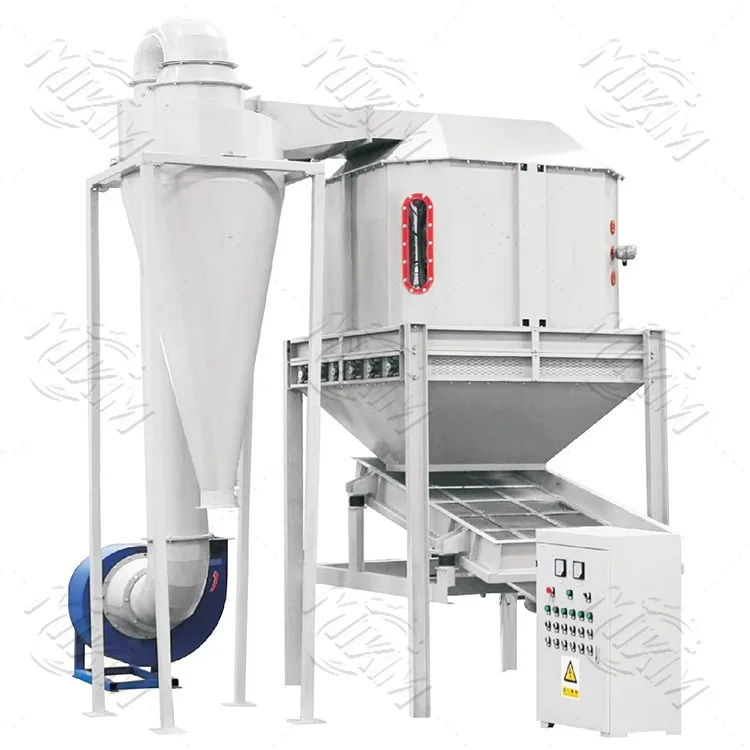
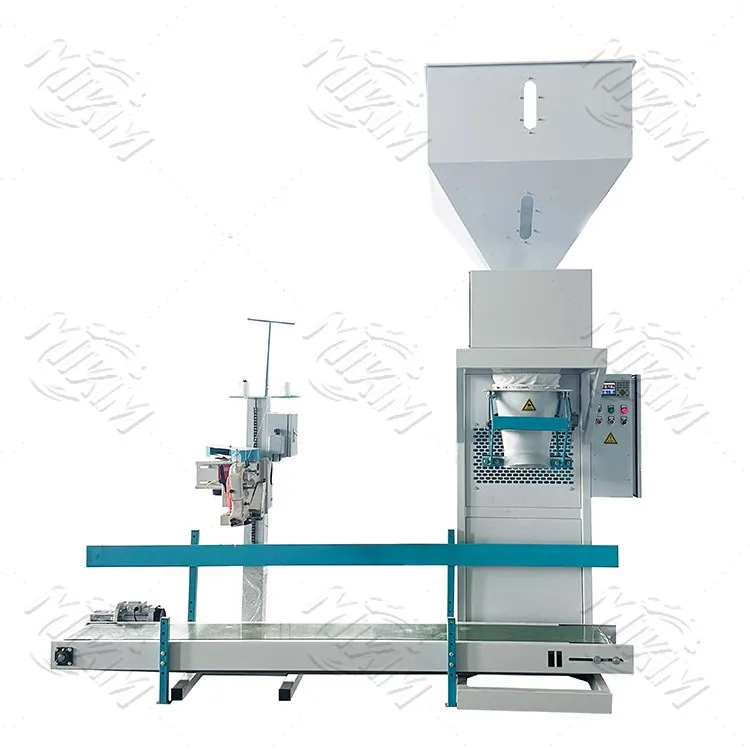
-Post-Processing and Packaging: Feeds undergo cooling, screening, spraying (such as with oils and vitamins), and finally, automatic packaging to ensure consistent product quality.
Whether you're an ornamental fish breeder, aquaculture farmer, or a fishing enthusiast, choosing the right feed and processing solution can significantly improve your feeding or fishing results.
For more information on process design, equipment layout, plant construction plan, single machine equipment quotation, turnkey quotation, etc., please feel free to contact us.
Qualifications and Honors