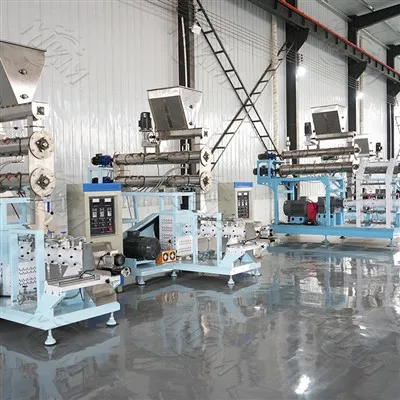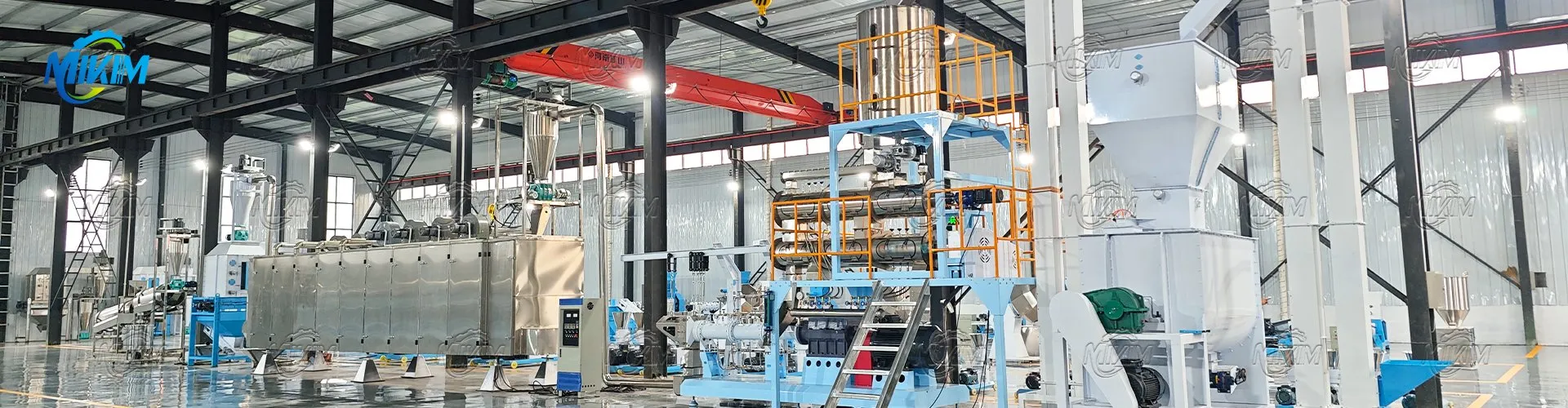
Suitable Aquatic Feed Production Lines And Types Of Extruded Feed Pellets For Ornamental Fish
Leave a message
Differences in production methods
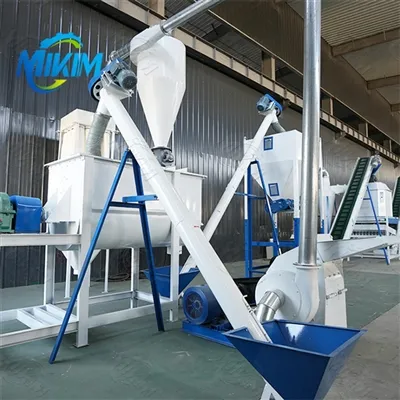
1. Pelleted feed: Made from spirulina powder, brine shrimp eggs, corn flour, etc., the raw materials are crushed, mixed, and then conditioned with low-temperature steam (75-85℃). After pelleting, they are dried at low temperature. The finished pellets are small (0.5-2 mm in diameter), mostly green or yellow in color, and may have added pigments (such as astaxanthin) on the surface.

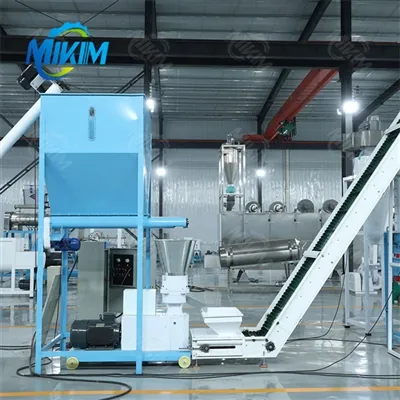
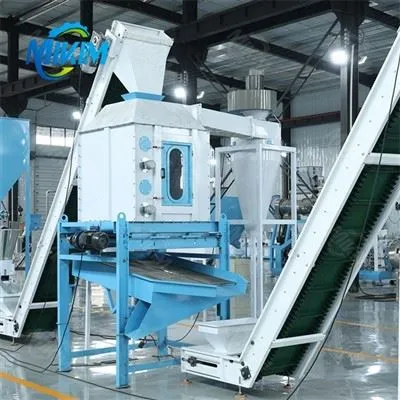
2. Extruded feed: Raw materials are crushed to a fineness of 100 mesh or higher. Pigments, attractants, and water are added during mixing. After conditioning, the mixture is fed into an extruder and extruded at 100-120℃. Some products are made into specific shapes (such as flakes or floating pellets). The finished product is lightweight, has strong suspension properties, and a bright color that does not easily fade.


Advantages and disadvantages of both
1. Pelleted Feed
Advantages: Pigments adhere more firmly and are less likely to dissolve in water, effectively enhancing the color of ornamental fish (such as the red of goldfish and the markings of koi); affordable, 25%-30% cheaper than extruded food, suitable for ordinary ornamental fish enthusiasts; moderate particle density, meeting the needs of mid-water feeding ornamental fish.
Disadvantages: Poor stability in water, softens easily within 30 minutes, uneaten food easily pollutes the aquarium water, increasing the frequency of water changes; some particles are too hard, making them difficult for small ornamental fish (such as guppies) to eat, easily leading to indigestion.

2. Extruded Feed
Advantages: Excellent water stability, remaining intact in the aquarium for 4-6 hours, reducing water pollution; loose texture, palatable, suitable for ornamental fish of different sizes; some floating extruded foods allow fish to feed at the surface, making it easier to observe their health.
Disadvantages: Pigments easily leach into the water, potentially causing dull colors in ornamental fish with prolonged use; relatively high price, and some products contain excessive attractants, which can lead to fish dependence and rejection of natural food.

Particle selection
1. Fish suitable for pellet food: Goldfish (5-10 cm in length) and juvenile koi. These fish require vibrant colors, and the pigment retention of pellet food helps maintain their bright hues. Additionally, bottom-dwelling ornamental fish such as corydoras are also suitable for sinking pellet food, aligning with their bottom-feeding habits.
2. Fish suitable for extruded food: Tropical ornamental fish such as parrotfish, arowana, and guppies. Parrotfish and arowana prefer to feed in the upper layers of the water, and floating extruded food meets their needs. Small fish like guppies are suitable for micro-extruded pellets, avoiding swallowing difficulties. Meanwhile, sheet-type extruded food is suitable for fish like angelfish that prefer to feed near aquatic plants and tank walls.
FAQ
1. What is the price of the fish feed extruder machine price?
The price ranges from approximately $10,000-$51,000
2. Do you provide maintenance services for your customers?
Yes, we offer comprehensive after-sales maintenance services to our customers.