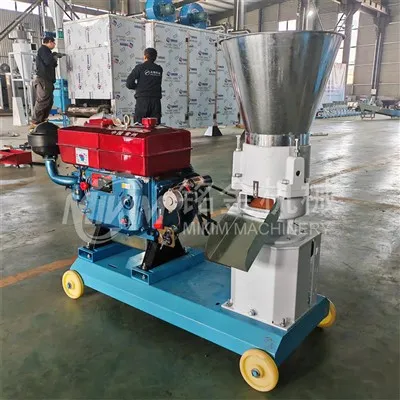
1000kg per hour Twin screw floating fish feed pellet extruder machine testing before shipping
Leave a message
What Is Pre-Shipment Testing for a 1000kg/h Twin-Screw floating Fish Feed Extruder?
Before delivery, a 1000kg/h Twin screw floating fish feed pellet making machine must go through a full-load factory test under real production conditions. This is not a simple trial run-it is a process validation step that ensures the machine can continuously produce stable, high-quality feed (fish feed, pet food, or floating pellets) at rated capacity.
What Exactly Is Tested?
A professional test should simulate your actual production scenario:
1. Raw Material Adaptability Test
Corn, soybean meal, fish meal, or customized formula
Moisture and particle size compatibility
✔ Confirms the machine fits your local raw materials
2. Extrusion Performance Test
Output capacity: whether it reaches 1000kg/h
Screw configuration and pressure stability
✔ Prevents under-capacity risks after installation
3. Pellet Quality Inspection
Floating rate (for fish feed)
Pellet shape, density, expansion ratio
✔ Ensures feed meets market standards
4. Drying & Cooling Matching (if line included)
Moisture reduction efficiency
Final pellet hardness and shelf stability
5. Continuous Running Test (2–4 hours)
Motor load stability
Temperature control
✔ Detects hidden faults before shipping
Why This Testing Matters for Buyers
Skipping or simplifying testing is like buying a machine "blindfolded." A proper test helps you:
- Avoid costly installation failures
- Reduce commissioning time at your site
- Verify real production capacity-not just catalog data
- Ensure pellet quality meets your target market
Key Data You Should Request from the Supplier
Raw material formula used
Ampere/voltage operating data
Final pellet photos and floating test results
Testing report with timestamps
This transforms your purchase from "spec-based" to evidence-based.
Common Problems Found During Testing
A good supplier will not hide problems-they solve them during testing:
Unstable output → screw design adjustment
Poor floating rate → formula or temperature optimization
High energy consumption → motor/load recalibration
How Pre-Shipment Testing Improves Your ROI
Think of the test as a "dress rehearsal" for your production line 🎭
Without testing:
- Longer installation time
- Higher labor and debugging costs
- Inconsistent product quality
With testing:
- Faster startup
- Immediate commercial production
- Predictable profit margins
Real Buyer Scenario
A Southeast Asia customer required floating fish feed with 90%+ floating rate using local raw materials.
During testing:
- Initial floating rate: 82%
- After screw and moisture adjustment: 92% stable output
- ✔ Result: Machine delivered ready for production, saving ~10 days of onsite debugging.
How to Judge If the Machine Fits Your Project
Before placing an order, confirm these 4 critical points:
- Capacity Match – Is 1000kg/h based on your formula?
- Material Compatibility – Can it handle your raw materials?
- Energy Consumption – Is operating cost acceptable?
- Automation Level – Does it match your labor setup?
Final Insight
A 1000kg/h Twin screw fish feed extruder machine testing before shipping is not just a factory routine-it is your first production run.
If done properly, your machine doesn't arrive as "new equipment."
It arrives as a ready-to-earn production system.
Company Profile