Equipment Selection and Operation Techniques for the Pelletizing Stage in Agricultural Chicken Feed Production Lines
Leave a message
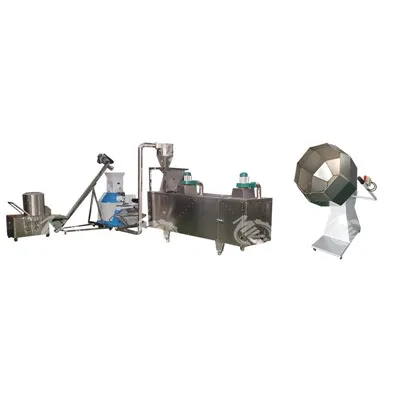
In the feed pelleting process, pelleting is the transformative process of converting mixed powder into pellets. The suitability of the equipment and the precision of the operating parameters in this stage directly determine the pellet's formation rate, density, and foam resistance. Whether it's small-scale farming or large-scale feed production, it's essential to select appropriate pelleting equipment based on specific needs and master core operating techniques to produce high-quality feed pellets.
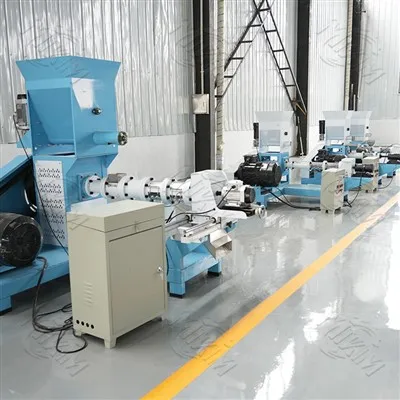
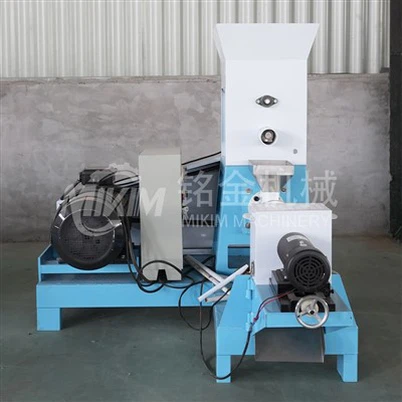
The selection of pelleting equipment should be based on the production scale and feed type. Small-scale farmers (such as those raising fewer than 500 pigs or less than 10,000 poultry) are suitable for flat die pellet mills. These machines have a simple structure, are easy to operate, have an hourly capacity of 100-300 kg, and require an investment of only 5,000-15,000 yuan, making them suitable for processing concentrated livestock feed. Medium to large-scale feed mills or aquaculture enterprises should choose ring die pellet mills, which offer high extrusion pressure (up to 8-15 MPa), an hourly capacity of 500-3000 kg, and produce high-density pellets with strong foam resistance. Aquatic feed can withstand foaming for over 40 minutes, meeting the feeding needs of fish, shrimp, and other aquatic animals.
Parameter control during the pelleting process is crucial for ensuring pellet quality. Temperature control needs to be adjusted according to the feed type. The pelleting temperature for livestock and poultry feed is typically 80-90℃, using high temperature to gelatinize starch and denature proteins, improving feed digestibility and absorption. The pelleting temperature for aquatic feed needs to be increased to 90-110℃ to enhance foam resistance. Pressure control complements temperature. The pressure of ring die pellet mills should be controlled at 8-12 MPa, while that of flat die pellet mills should be controlled at 3-5 MPa. Too low a pressure will result in loose, easily broken pellets, while too high a pressure will increase equipment wear and energy consumption. Raw material moisture content is also a key parameter. The moisture content of the powder entering the pellet mill needs to be controlled between 14% and 16%. If the moisture content is below 12%, dust is easily generated in the pellets; if the moisture content is above 18%, the pellets easily stick to the die holes, causing blockage.
Operating techniques for the pelleting process of Automatic Poultry Feed Pellet Equipment also include die selection and equipment maintenance. The die hole diameter must be matched to the animal breed: 2-3mm for piglets, 3-5mm for fattening pigs, and 5-8mm for beef cattle. During use, residual feed in the die holes should be cleaned regularly to prevent blockage; a special cleaning needle can be used to unclog each hole individually. At the same time, the wear of the pressure roller and die should be checked regularly. When the die hole diameter enlarges by more than 0.5mm or the surface texture of the pressure roller is severely worn, it needs to be replaced promptly to ensure stable pellet quality.
Related equipment


about Us
Customer visit

Certificate of Honor

FAQ
1. What is the price of the Livestock and poultry feed production line?
The price ranges from approximately $7,500-$55,000
2. Do you provide maintenance services for your customers?
Yes, we offer comprehensive after-sales maintenance services to our customers.