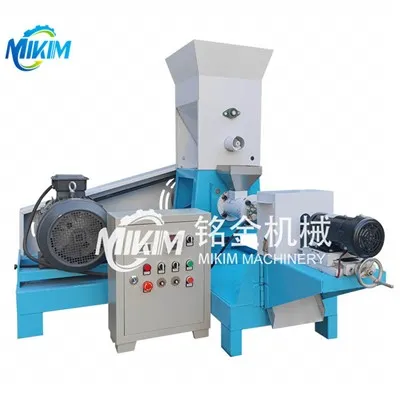
Factory Test: Floating Fish Feed Pellet Maker Machine
Leave a message
What This Factory Test Confirms
A factory test is a full-process verification of the floating fish feed pellet extruder machine under real working conditions. It answers three buyer-critical questions:
Can the machine deliver stable, continuous output?
Are the pellets truly floating and uniform?
Will the machine run reliably after installation?
Why Factory Testing Directly Affects Your ROI
A floating fish feed pellet making machine that looks good on paper can still fail in production.
A proper test helps you avoid:
Capacity exaggeration
Poor floating rate (feed sinking = profit loss)
Frequent clogging or shutdown
Key Indicators You Must Check in the Test
1. Floating Feed Performance
During testing, pellets should:
Float immediately in water
Maintain buoyancy for 12–24 hours
Keep structure without breaking
2. Continuous Production Stability
A qualified machine shows:
Smooth feeding without interruption
Stable extrusion with no shaking
Continuous discharge without blockage
3. Pellet Quality and Size Control
Check whether:
Pellet size is consistent (based on die, e.g., 2–6mm)
Surface is smooth, not cracked
Expansion is uniform
Real Raw Materials Used in Testing
A reliable supplier tests with actual feed formulas, not simplified materials.
Typical inputs:
- Corn flour / wheat flour
- Soybean meal / fish meal
- Rice bran
- Additives and premix
Moisture before extrusion: 20%–30%
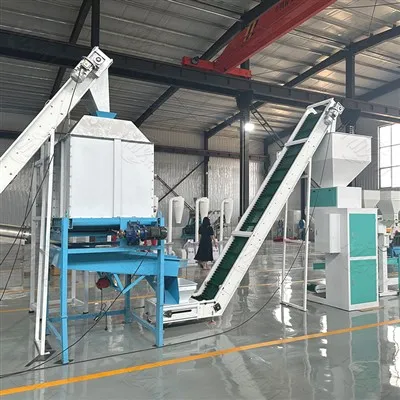
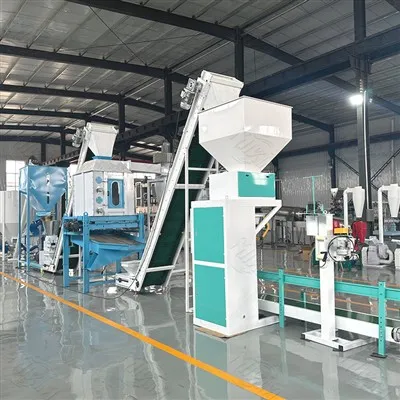
What a Complete Production Line Looks Like
Although the test focuses on the extruder, a real setup includes:
Crushing system
Mixing system
Floating feed extruder
Dryer
Oil spraying machine
Cooling system
How to Watch the Test Like a Professional Buyer
Instead of just viewing, evaluate:
Is feeding uniform and continuous?
Is extrusion smooth with low vibration?
Are pellets evenly expanded?
Do pellets float instantly in water?
Is there dust, breakage, or inconsistency?
Common Buyer Questions
Is factory testing necessary?
Yes. It is the only way to verify real performance before shipping
Can the floating fish food production machineproduce different pellet sizes?
Yes. Change the die and adjust parameters.
What capacity should I choose?
100–300kg/h: Small farms
300–800kg/h: Commercial farms
1 ton/h+: Feed factories
Final Takeaway
A factory test is not optional-it's your risk control checkpoint.
It ensures:
True capacity (not inflated numbers)
Stable machine operation
High-quality floating feed output
Company Profile