


How can the common diseases that affect Brazilian turtle breeding be resolved?
Leave a message
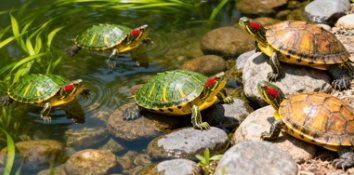
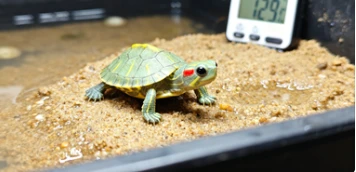
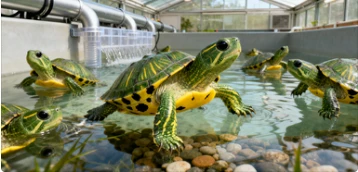
Red-eared sliders, a popular pet turtle species, face high rates of shell rot and enteritis among many breeders. Shell rot causes shell damage and pus discharge, resulting in a mortality rate exceeding 15%. Enteritis, on the other hand, causes the turtles to refuse to eat, suffer diarrhea, and slow their growth by 50%. Many people mistakenly believe that these diseases are solely due to poor water quality, overlooking the crucial factor of feed form. Our aquatic pellet production line produces specially formulated pellets for turtles, mitigating disease risks from both feeding and digestion.
Cause Analysis
1. Feeding fresh bait carries bacteria: Traditionally fed fish and dried shrimp are prone to carrying Aeromonas (the pathogen of shell rot) and Escherichia coli (the pathogen of enteritis). These pathogens can enter the turtle's body after ingesting them, especially if there are minor cuts on the shell.
2. Feed spillage pollutes water quality: Fresh bait or powdered feed easily scatters to the bottom of the tank after feeding, where it rots and deteriorates water quality (ammonia nitrogen levels exceed the standard by 2-3 times), irritating the turtle's shell and causing shell rot. Furthermore, the contaminated water consumed by the turtle increases the risk of enteritis.
3. Nutritional imbalance and weakened immunity: Fresh bait is nutritionally limited (e.g., feeding only fish lacking calcium and vitamin D), leading to poor shell development, weakened immunity, and increased susceptibility to pathogens. Furthermore, digestion and absorption rates are low (only around 60%), placing a heavy burden on the intestinal tract.
Solution
High-temperature sterilization eliminates pathogen transmission: The extrusion pelleting process (80-100°C, 3-5 MPa) in the aquatic pellet production line kills over 99% of Aeromonas and E. coli in the raw materials, while also destroying any parasite eggs in fresh feed. This significantly reduces the risk of turtles contracting disease through oral intake. One farmer saw their shell rot incidence drop from 2 to 0 cases per month after switching to pelleted feed.
Water-resistant design protects the water environment: By optimizing the pellet formula (including the addition of a waterproof adhesive) and cooling process, the pellets produced by the production line are water-resistant for 4-6 hours (without disintegrating or contaminating the water after immersion). This reduces feed scattering from 20% to below 5%, keeps ammonia and nitrogen levels in the water within safe limits, and reduces the risk of shell rot.
Precise nutritional balance enhances physical fitness: The production line customizes formulas based on the different growth stages of red-eared sliders (juveniles and adults). Juvenile feed has a 2:1 calcium-to-phosphorus ratio and is supplemented with vitamin D. To promote the development of turtle shells, adding probiotics to adult turtle feed (survival rate exceeds 85% after pelleting) improves intestinal function, increases turtle immunity by 30%, and reduces the incidence of enteritis from 25% to below 8%.

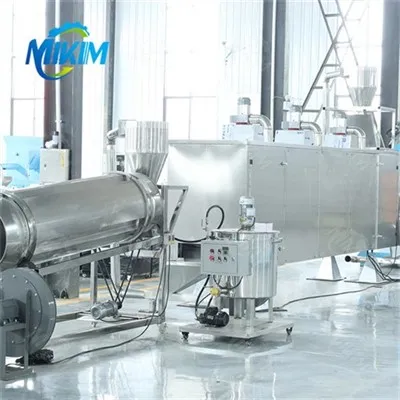


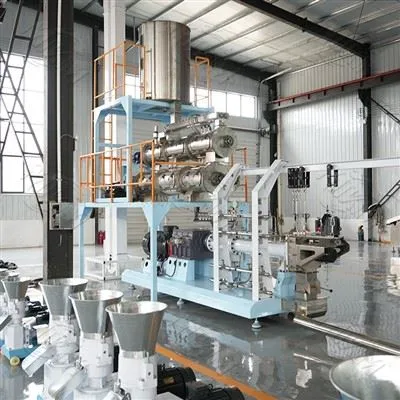
Main equipment of fish feed pellet production line




Why Choose Us
MIKIM boasts extensive experience in poultry feed pellet production lines, significantly reducing the incidence of poultry diseases. Its equipment is not only widely used across various industries domestically but also exported to Southeast Asia, Europe, Africa, and South America, earning a high reputation internationally. This global presence not only demonstrates the adaptability and competitiveness of its products, but also demonstrates the company's experience in adapting to diverse market standards and logistics conditions, enabling it to provide a stable supply chain for its overseas customers. Whether serving large domestic farms or cross-border feed companies, MIKIM can leverage its global service network to ensure a consistent, high-quality experience.
For more information on process flow design, equipment layout, factory construction plans, individual equipment pricing, or turnkey project proposals, please feel free to contact us!!!
FAQ
1. What is the price of the Turtle feed pellet production line ?
The price ranges from approximately $15,000-$55,000
2. Do you provide maintenance services for your customers?
Yes, we offer comprehensive after-sales maintenance services to our customers.


