What are the treatment methods for several diseases in parrot fish breeding?
Leave a message
Parrotfish are beloved by aquarium fish enthusiasts for their vibrant colors, but white spot disease and fin rot often plague fish farmers. White spot disease (parasitized by Ichthyophthirius spp.) causes small white spots on the fish's body, with a mortality rate exceeding 30%. Fin rot (a bacterial infection) damages the fins, making them less attractive and potentially causing secondary infections. Many people rely solely on medication, ignoring the impact of feed on parrotfish immunity. However, aquatic pellet production lines, specifically designed for ornamental fish, can reduce disease at the source.
Cause Analysis
1. Poor-quality feed carries pathogens: Low-priced bulk feed, made from unidentified ingredients, can easily carry Ichthyophthirius larvae and Flavobacterium columnaris (the pathogen of fin rot). After parrot fish consume these pathogens, they can harbor them in their bodies, leading to outbreaks when the environment deteriorates.
2. Feed contamination damages water quality: After feeding powdered feed or easily disintegrating pellets, the leftovers quickly decay, causing excessive nitrite levels in the water (over 1 mg/L), irritating the fish's mucous membranes and creating conditions for Ichthyophthirius attachment and bacterial infection.
3. Inadequate nutrition and low immunity: A lack of vitamin C and immune polysaccharides in feed weakens the immune function of parrot fish's skin and mucous membranes, making them unable to resist Ichthyophthirius. Furthermore, the protein content required for fin growth is insufficient (less than 35%), making it difficult to repair damaged fins.
4. Poor palatability leads to insufficient feeding: Inappropriate pellet size (e.g., pellets too large for parrot fish to swallow) or poor taste can lead to insufficient feeding, weakened health, and increased susceptibility to disease.


Solution
Strict raw material control and high-temperature sterilization ensure feed safety: The aquatic pellet production line uses high-quality fish meal and shrimp meal (protein content ≥40%) as raw materials. Impurities are removed through magnetic and color sorting, and then pathogens are killed through twin-screw extrusion (90-110°C). This reduces the pathogen detection rate in feed from 18% to below 0.5%, reducing the risk of infection for parrot fish.
Water-resistant pellets and low-residue bait protect water quality: The parrot fish pellets produced by the production line are water-resistant for 2-3 hours (remaining intact after soaking), and the pellet size is optimized for parrot fish mouthparts (2-3mm). Feeding rates exceed 95%, and the bait residue rate is reduced to below 5%. Nitrite content in the water is controlled below 0.2mg/L, reducing the risk of disease.
Nutritional fortification enhances disease resistance: Vitamin C is added to the pellets after cooling using a "post-spraying" process (retention rate exceeds 100%). 90%), immune polysaccharides. After ingestion, parrot fish experience thickening of the skin and mucous membranes, increased mucus secretion, and a 40% improvement in the cure rate for fin rot. The addition of astaxanthin (a natural pigment) enhances both the fish's aesthetic appeal and its antioxidant capacity.
Optimized palatability ensures feeding: By adjusting pellet hardness (2-3 kg/cm²) and adding an attractant (shrimp paste), the production line increases parrot fish feeding activity by 25%, preventing weakness from insufficient feeding and reducing individual susceptibility to disease.


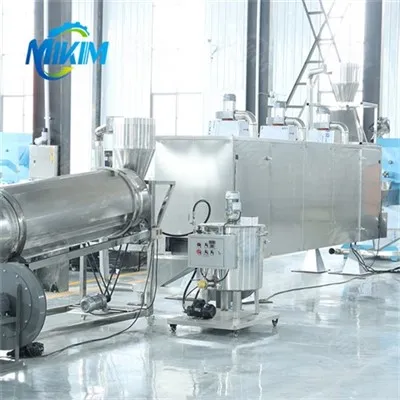
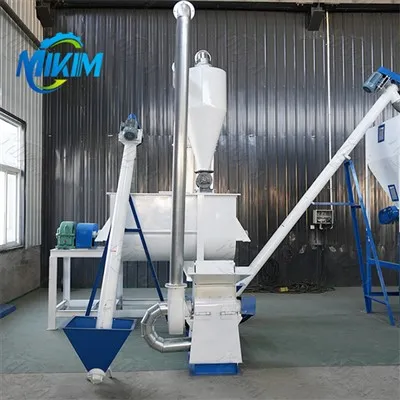
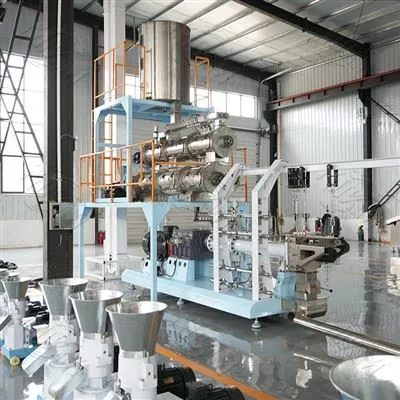
Main equipment of fish feed pellet production line




Why Choose Us
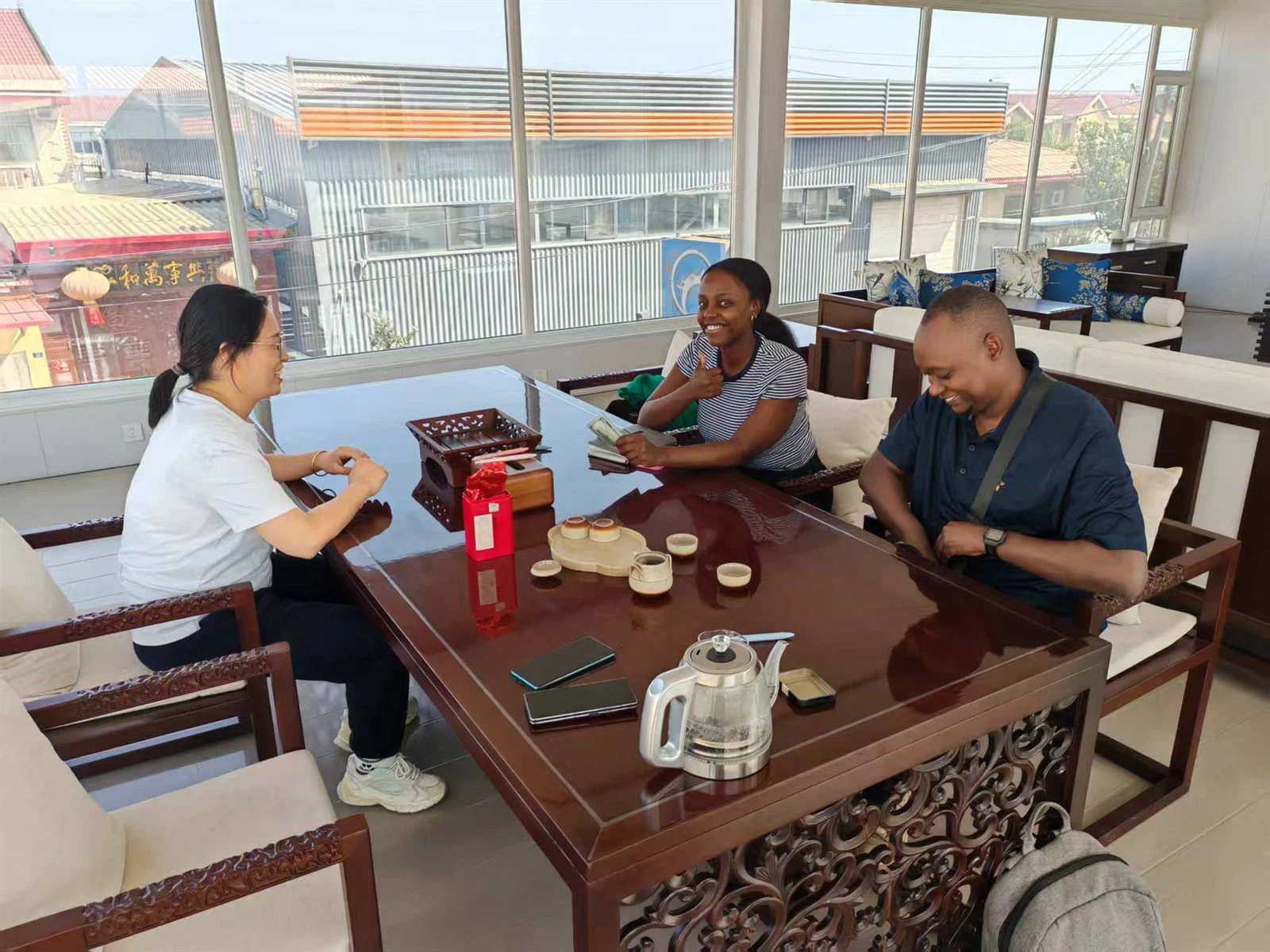
MIKIM boasts extensive experience in poultry feed pellet production lines, significantly reducing the incidence of poultry diseases. Its equipment is not only widely used across various industries domestically but also exported to Southeast Asia, Europe, Africa, and South America, earning a high reputation internationally. This global presence not only demonstrates the adaptability and competitiveness of its products, but also demonstrates the company's experience in adapting to diverse market standards and logistics conditions, enabling it to provide a stable supply chain for its overseas customers. Whether serving large domestic farms or cross-border feed companies, MIKIM can leverage its global service network to ensure a consistent, high-quality experience.
For more information on process flow design, equipment layout, factory construction plans, individual equipment pricing, or turnkey project proposals, please feel free to contact us!!!
FAQ
1. What is the price of the fish feed pellet production line ?
The price ranges from approximately $8,000-$25,000
2. Do you provide maintenance services for your customers?
Yes, we offer comprehensive after-sales maintenance services to our customers.