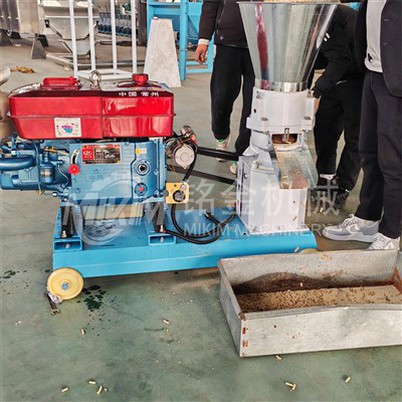
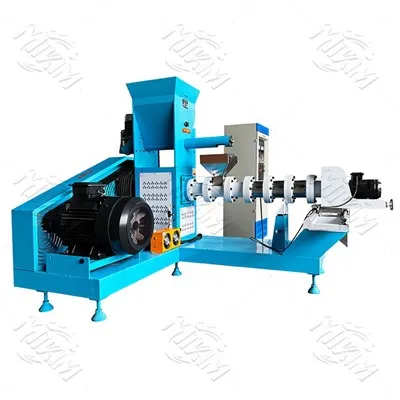
How do I install a floating fish feed extruder machine?
Leave a message
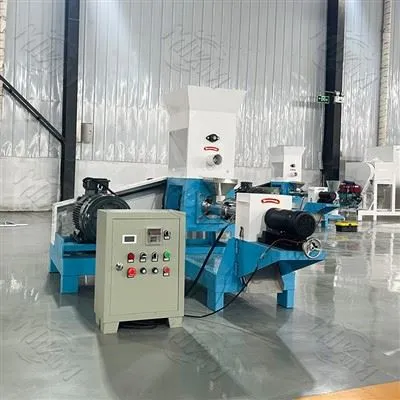
The first step is the installation and wiring of the electrical control cabinet. Fix the electrical control cabinet in an easily accessible location next to the fish feed making machine, leaving a 10-15cm gap between the bottom of the cabinet and the ground to prevent water accumulation. Cables should be laid using cable trays or conduits for protection. High-voltage cables (motor power cables) and low-voltage cables (sensor and control system cables) should be laid separately, with a spacing of at least 30cm to avoid electromagnetic interference. Motor cables should have an appropriate cross-section based on the motor power; for example, a 55kW extruder motor requires a 16mm² copper core cable. Cable lugs should be installed at both ends of the cable, and it should be securely connected to the motor terminals and the control cabinet circuit breaker with bolts. After wiring, organize the cables and label them for easy maintenance later.
The second step is the installation of the grounding system. Grounding protection is the core of electrical safety, and a complete grounding network must be established. The fish feed extruder machine main unit, motor, reducer, and control cabinet should all have individual protective grounding wires. The grounding wires should be copper core wires with a cross-sectional area of at least 4mm², and the grounding resistance should not exceed 4Ω. The main unit grounding can be connected to the pre-buried grounding electrode on the ground via the base. The motor and reducer grounding are directly connected to the grounding main line. The control cabinet grounding needs to be connected to the plant's overall grounding network to form a redundant grounding system. After installation, use a grounding resistance tester to check the resistance at each grounding point. If the resistance exceeds the standard, the number of grounding electrodes needs to be increased until it meets the requirements.
The third step is the installation and commissioning of sensors and the control system. The floating fish feed machine's sensors include temperature sensors, pressure sensors, and level sensors, which must be precisely installed in designated locations. The temperature sensor is inserted into the barrel to a depth of 2/3 of the barrel wall thickness to ensure accurate temperature detection. The pressure sensor is installed in the extrusion section of the barrel, ensuring good communication with the barrel and no leaks. The level sensor is installed in the hopper to monitor the raw material level. Sensor wiring must be connected to the dedicated interface on the control cabinet. When wiring, distinguish between positive and negative terminals to avoid damaging the sensor. Then, the control system is commissioned. Extruder operating parameters (such as barrel temperature, screw speed, and feeding speed) are input into the control system to test the accuracy of parameter settings and feedback, ensuring the control system can accurately control the equipment operation.
The fourth step is the overall commissioning of the electrical system. First, conduct a no-load power-on test to check if the indicator lights and instrument displays on the control cabinet are normal, and whether the motor rotation of the fish extruder machine is correct (if the rotation is incorrect, reverse the power phase sequence). Next, test the start-stop control of each piece of equipment to ensure that the extruder, feeder, conditioner, and other equipment can be started and stopped individually or in conjunction with each other via the control cabinet. Finally, conduct a load test by starting the production line and observing the operation of the electrical system under load, checking if the voltage and current are stable, and if the sensor feedback data is accurate. If the current exceeds the limit, check for any obstructions in the equipment; if the parameter feedback is abnormal, recalibrate the sensors. After debugging, affix electrical safety signs, and strictly prohibit unauthorized personnel from operating the control cabinet.
Related equipment


about Us
MIKIM's fish feed pellet production lines and supporting machinery offer excellent value for money. Not only are they affordable, eliminating middlemen markups and allowing small and medium-sized enterprises (SMEs) and fish farmers to purchase complete sets of equipment at reasonable costs, but they also boast exceptional efficiency. The fully automated process, from raw material crushing and precise ingredient mixing to extrusion pelleting and maturation, is completed in one continuous flow. This results in high starch gelatinization rates and uniform pellet formation, significantly improving production efficiency and feed quality, truly achieving "low cost, high output." Choosing a MIKIM fish feed pellet production line means enjoying comprehensive pre-sales and after-sales service, including 24-hour online customer support, a one-year warranty on the entire machine, professional on-site installation, commissioning, and maintenance, and a stable supply of spare parts. Customers can buy with confidence and use with peace of mind, with both excellent value and service quality!
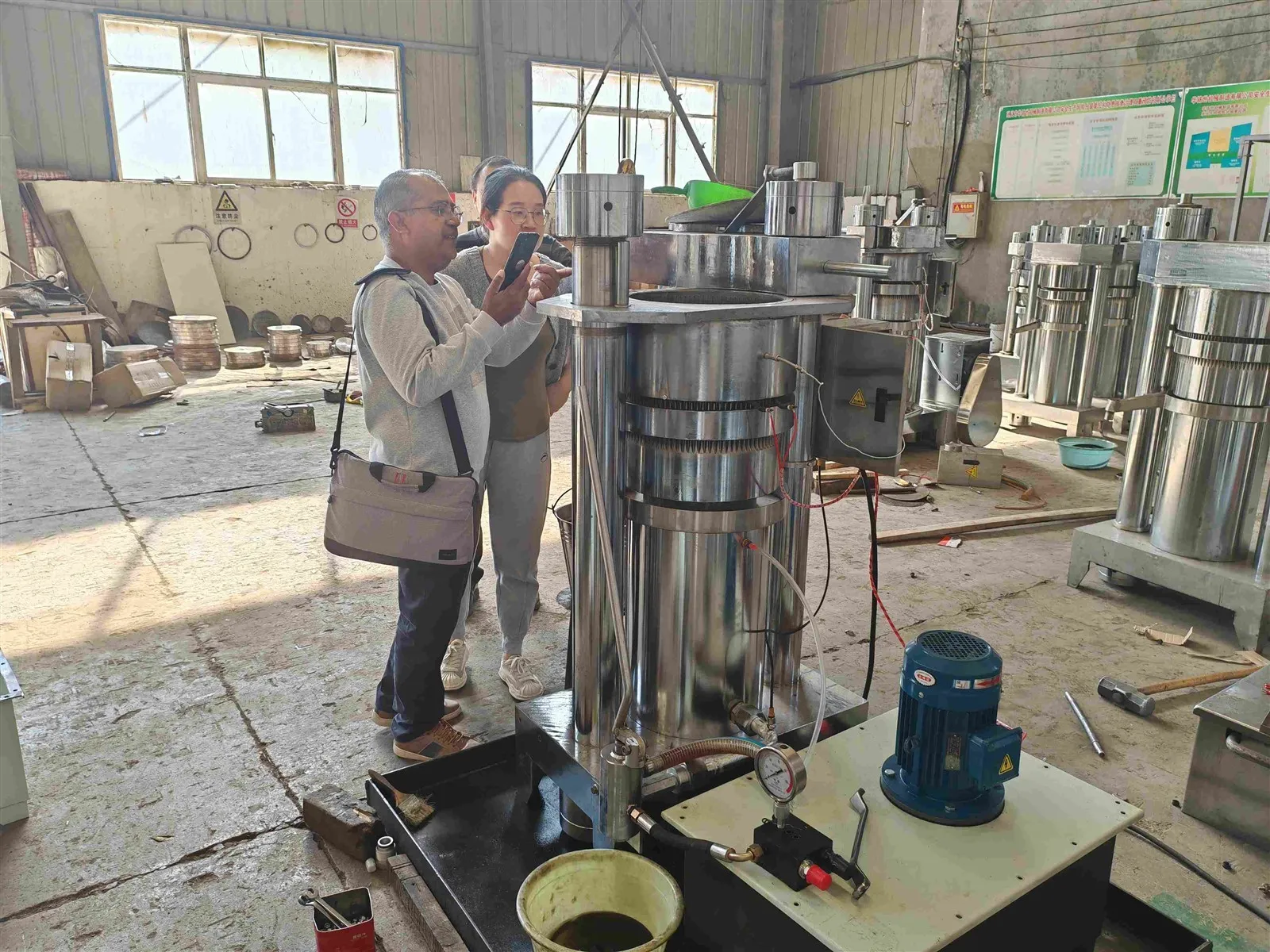
Customer visit
Certificate of Honor

FAQ
1. What is the price of the fish feed pellet extruder?
The price ranges from approximately $3,500-$55,000
2. Do you provide maintenance services for your customers?
Yes, we offer comprehensive after-sales maintenance services to our customers.
If you would like to learn more about MIKIM machinery, please contact us. We offer one-stop service and welcome your inquiries!!!