


How to choose the right floating fish feed
Leave a message
1. Match Feed to Fish Species & Nutritional Needs
Different fish have distinct dietary requirements-prioritize feed formulated for your target species:
Carnivorous fish (salmon, sea bass): Select feed with high animal protein (40-50%, e.g., fish meal, shrimp meal) and omega-3 fatty acids (fish oil). Avoid plant-heavy formulas, as they reduce digestibility.
Herbivorous fish (grass carp): Opt for feed rich in plant proteins (soybean meal, alfalfa) and fiber (20-30%), with lower animal protein (25-30%).
Omnivorous fish (tilapia, common carp): Choose balanced formulas (30-35% protein) combining animal and plant ingredients, suitable for versatile diets.
Ornamental fish (koi, goldfish): Look for feed with color-enhancing additives (astaxanthin, spirulina) and moderate protein (30-35%), avoiding high-fat content to prevent obesity.
2. Adapt to Fish Growth Stages
Pellet size and nutrient concentration must match fish mouth size and metabolic needs:
Larvae (0.5-3 cm): Use micro-pellets (0.3-1 mm) with high protein (50-55%) and easy-to-digest ingredients (hydrolyzed fish protein, milk powder) to support rapid growth.
Juveniles (3-10 cm): Select small pellets (1-5 mm) with balanced protein (35-45%) and energy, promoting uniform development.
Adults (≥10 cm): Choose larger pellets (5-10 mm) with optimized protein (30-40%) and fat (5-15%) to maintain growth and reduce feed conversion ratio (FCR).
3. Evaluate Floating Performance & Water Stability
Core traits of quality floating feed:
Floatability: Qualified feed should remain afloat for 12-24 hours without sinking. Test by soaking a small amount in water-avoid feed that sinks quickly (indicates poor starch gelatinization) or disintegrates (causes nutrient loss and water pollution).
Water Stability: The pellet surface should stay intact when soaked, preventing clouding water. Check for excessive crumbling, which signals low binding quality.
4. Inspect Feed Quality & Safety
Physical Traits: Choose pellets with uniform size, smooth surface, and no mold, clumping, or off-odors. Avoid feed with visible impurities (e.g., stones, dust) or inconsistent color (may indicate uneven mixing).
Nutrient Label Verification: Check the product label for protein, fat, moisture, and additive content. Ensure it meets national/international standards (e.g., ISO, ASTM) and lists key ingredients (avoid feed with vague "animal by-products" without specifics).
Safety Certifications: Prioritize feed from reputable manufacturers with food safety certifications (e.g., HACCP, GMP) to avoid harmful substances (mycotoxins, heavy metals) or excessive additives.
5. Consider Farming Conditions & Feeding Methods
Farming System: For intensive systems (net cages, RAS), choose high-nutrient, low-waste feed to reduce water treatment pressure. For pond polyculture, select versatile feed compatible with mixed species (e.g., tilapia + carp).
Feeding Frequency: If feeding 2-3 times daily, opt for slow-digesting feed with balanced energy; for high-frequency feeding (4-5 times), choose highly palatable, easily digestible formulas.
Cost-Effectiveness: Avoid solely focusing on low price-calculate "cost per kg of fish gain" instead. High-quality feed may have a higher upfront cost but improves FCR (reducing total feed usage) and lowers disease risks.
6. Conduct Small-Scale Trials
Before bulk purchasing, test the feed with a small group of fish:
Observe intake: Fish should actively consume the feed within 5-10 minutes (no leftover feed indicates good palatability).
Monitor growth: Track weight gain and size uniformity after 1-2 weeks-choose feed that promotes steady growth without abnormal behavior (e.g., lethargy, abnormal excretion).
By integrating these factors, you can select floating fish feed that maximizes aquaculture efficiency, ensures fish health, and minimizes environmental impact. Prioritize consistency in feed quality and manufacturer reliability for long-term farming success.
Related equipment


about Us
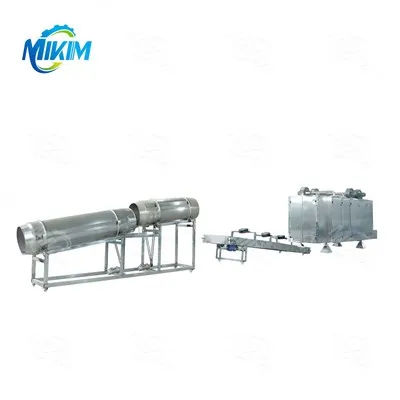
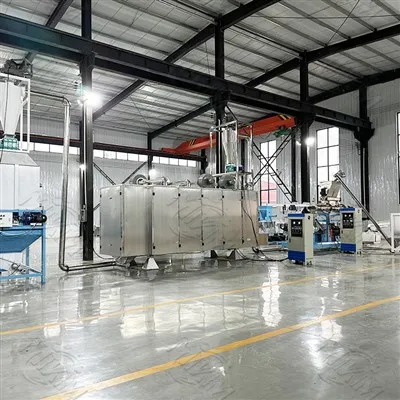
MIKIM's fish feed pellet production lines and supporting machinery offer excellent value for money. Not only are they affordable, eliminating middlemen markups and allowing small and medium-sized enterprises (SMEs) and fish farmers to purchase complete sets of equipment at reasonable costs, but they also boast exceptional efficiency. The fully automated process, from raw material crushing and precise ingredient mixing to extrusion pelleting and maturation, is completed in one continuous flow. This results in high starch gelatinization rates and uniform pellet formation, significantly improving production efficiency and feed quality, truly achieving "low cost, high output." Choosing a MIKIM fish feed pellet production line means enjoying comprehensive pre-sales and after-sales service, including 24-hour online customer support, a one-year warranty on the entire machine, professional on-site installation, commissioning, and maintenance, and a stable supply of spare parts. Customers can buy with confidence and use with peace of mind, with both excellent value and service quality!
Customer visit

Certificate of Honor

FAQ
1. What is the price of the fish feed making machine?
The price ranges from approximately $3,500-$55,000
2. Do you provide maintenance services for your customers?
Yes, we offer comprehensive after-sales maintenance services to our customers.
If you would like to learn more about MIKIM machinery, please contact us. We offer one-stop service and welcome your inquiries!!!


