How to clean the production line of feed pellet machines when the feed formula is changed
Leave a message
Feed mills often need to switch between different feed formulations (e.g., switching from poultry feed to aquaculture feed, or from piglet feed to fattening pig feed). If the production line isn't thoroughly cleaned, residual ingredients from the old formula can mix into the new one (cross-contamination rates exceeding 8%), causing the new feed's nutritional content to deviate from standards (e.g., high-calcium ingredients from poultry feed mixed into aquaculture feed can affect fish absorption) and even cause breeding accidents. Therefore, thorough cleaning is essential when changing formulas.
Cleaning Reasons
1.Ensuring nutritional accuracy in formulas: Different formulas have significantly different raw material compositions (e.g., high-protein aquaculture feed, high-calcium poultry feed). Residual old feed can alter the nutritional profile of new feed (e.g., if residual old feed exceeds 5%, the protein content of the new feed may vary by 1-2 percentage points), potentially failing to meet the nutritional needs of farmed animals.
2 .Avoiding contamination with specific ingredients: If old formulas contain pharmaceutical additives (e.g., antibiotics), residual old feed mixed with non-medicated feed can result in excessive levels of drug content, violating feed safety standards (e.g., the EU requires drug residues in non-medicated feed to be ≤0.1 μg/kg).
3. Preventing conflicts in raw material properties: Mixing some raw materials can produce adverse reactions (e.g., acidic residues in old feed mixing with alkaline substances in new feed can affect pellet formation), resulting in uneven pellet hardness and brittleness.
Daily Cleaning Procedure
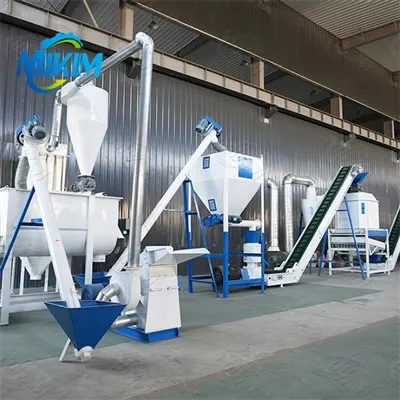
Cleaning the raw material silo and batching system: After emptying the silo of old materials, open the inspection hatch on the top and vacuum the silo walls to remove any remaining materials (focus on the bottom corners to prevent accumulation of old materials). Wipe the batching scale hopper and conveyor belt twice with warm water (30-40°C). (If the old materials are greasy, add a small amount of food-grade detergent, wipe, rinse with clean water, and allow to dry.) Finally, test the hopper walls with a test strip to ensure there is no residual detergent.
Cleaning the mixing system: Open the mixer door and rinse the mixer walls with warm water. (If any stubborn residue remains, scrape it with a soft scraper to avoid scratching the walls.) Then, add 50 kg of clean water to the mixer (just enough to cover any remaining residue). Start the mixer and let it idle for 5 minutes to drain any remaining water. Finally, blow dry the mixer walls with compressed air to prevent moisture residue from causing mold in the new materials.
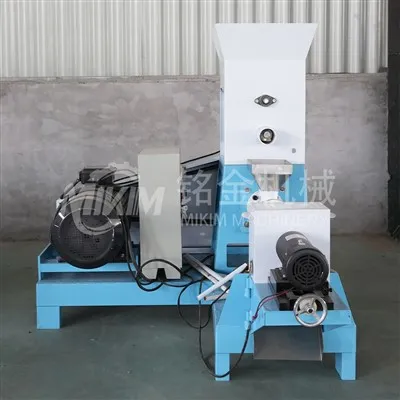
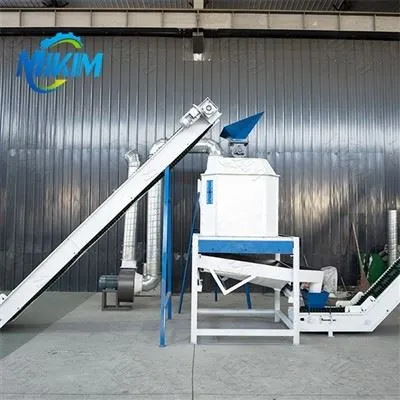
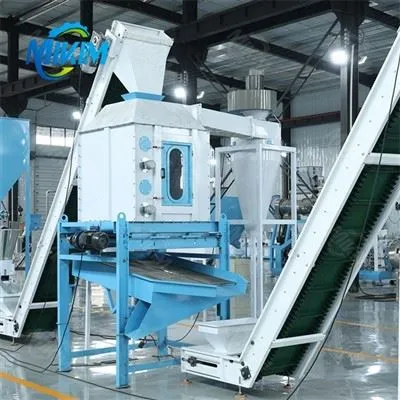
Pelletizing and Subsequent System Cleaning: After cleaning the ring die and screw according to the usual cleaning procedures, soak the ring die in 60°C warm water for 20 minutes to dissolve any residual grease or sticky ingredients, then brush the die holes. Wipe the inner walls of the cooler, screener, and packaging machine with warm water, focusing on cleaning the packaging machine's discharge port to prevent old material residue from sticking to the new material packaging bag. Finally, blow dry all components with compressed air to ensure they are free of moisture.
Finally, thorough cleaning during a feed formula change is directly related to the quality and safety of the new feed. It is recommended that production personnel adjust the cleaning intensity based on the characteristics of the old feed ingredients (such as whether they contain grease or drugs). After cleaning, a small amount of new feed can be tested for composition (to confirm the absence of old material residue) before full batch production to ensure the nutritional accuracy, safety, and compliance of the new feed formula.


Why Choose Us
MIKIM boasts extensive experience in poultry feed pellet production lines, significantly reducing the incidence of poultry diseases. Its equipment is not only widely used across various industries domestically but also exported to Southeast Asia, Europe, Africa, and South America, earning a high reputation internationally. This global presence not only demonstrates the adaptability and competitiveness of its products, but also demonstrates the company's experience in adapting to diverse market standards and logistics conditions, enabling it to provide a stable supply chain for its overseas customers. Whether serving large domestic farms or cross-border feed companies, MIKIM can leverage its global service network to ensure a consistent, high-quality experience.
For more information on process flow design, equipment layout, factory construction plans, individual equipment pricing, or turnkey project proposals, please feel free to contact us!!!

FAQ
1. What is the price of the farm feed pellet production line ?
The price ranges from approximately $8,000-$25,000
2. Do you provide maintenance services for your customers?
Yes, we offer comprehensive after-sales maintenance services to our customers.