How to clean the feed pellet machine production line after daily use?
Leave a message
If feed pellet mill production lines aren't cleaned promptly after daily production, residual corn, soybean meal, and other raw materials can clump and mold inside the equipment. This not only contaminates the next batch of feed (causing mold levels in the finished product to exceed 15%), but can also clog the die holes and cause the screw to seize, impacting production capacity by 10%-20%. Daily cleaning doesn't require complex procedures; mastering the basic process allows for efficient completion.
Cleaning Reasons
1. Preventing mold contamination of raw materials: Residual raw materials on the production line (especially in high humidity environments in summer) can breed mold within 4-6 hours. This mold can be mixed with new materials during the next run, causing mycotoxins in the finished product to exceed the permitted level and potentially causing intestinal diseases in animals.
2. Preventing equipment blockage and stalling: Residual raw materials can clump and harden in the die holes and screw flights, blocking the die holes (with a blockage rate exceeding 20%) and increasing screw resistance, resulting in reduced production capacity and lower pellet formation rates (from 95% to below 80%) during the next run.
3. Ensuring feed formula purity: Residual raw materials can cause cross-contamination when a different feed formula is produced next time (e.g., poultry feed residue mixed with aquatic feed), affecting nutritional accuracy and failing to meet animal production requirements.
Daily Cleaning Procedure
Cleaning the feed system: First, close the raw material bin valve and start the conveyor belt to empty any remaining raw material from the pipe (approximately 5-10 minutes). Then, use compressed air (0.6-0.8 MPa) to blow through the conveyor belt and the inner wall of the hopper, focusing on removing any residual powder in the corners. Finally, wipe the outside of the hopper with a damp cloth to remove dust (to prevent dust from falling into the new material).
Cleaning the pelletizing machine: After shutting down the machine and allowing the machine temperature to drop below 40°C, open the door, remove the ring die, and use a special steel brush (moderately hard to avoid scratching the die holes) to clean any remaining pellets. (If there are any hardened or agglomerated particles, soak them in 60°C warm water for 10 minutes before brushing.) Also, use compressed air to blow through the screw and roller surfaces to remove any residual raw material. Finally, apply a small amount of food-grade lubricant to the contact area between the screw and roller to prevent rust.
Cooling system cleaning: Turn off the cooling fan, open the cooler discharge door, and remove any remaining pellets. Use compressed air to blow through the cooler screen (to prevent dust from clogging the screen and affecting cooling efficiency). Then, use a vacuum cleaner to clean the dust from the cooler walls. Finally, run the fan at idle speed for 5 minutes to remove any remaining dust.
IDaily cleaning is essential for the stable operation of a feed pellet machine production line. Spending 20-30 minutes daily following the above steps will prevent raw material mold and equipment clogging, while ensuring the quality of the next feed produced. It is recommended that production personnel create a "cleaning record sheet" to record the condition of components after each cleaning, establishing a standardized cleaning process.


Why Choose Us
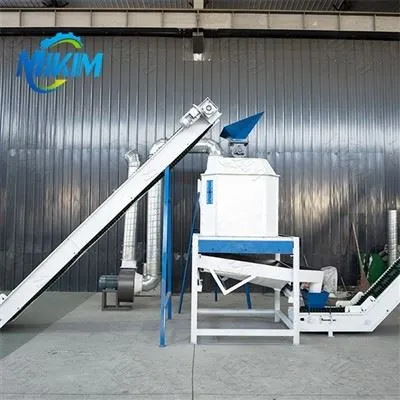
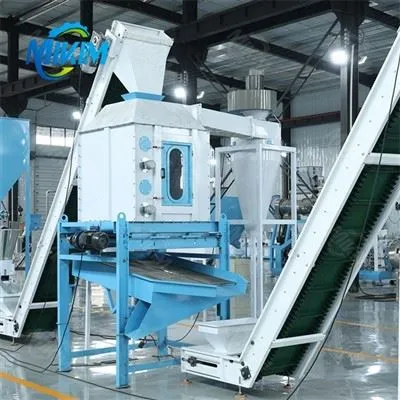
MIKIM boasts extensive experience in poultry feed pellet production lines, significantly reducing the incidence of poultry diseases. Its equipment is not only widely used across various industries domestically but also exported to Southeast Asia, Europe, Africa, and South America, earning a high reputation internationally. This global presence not only demonstrates the adaptability and competitiveness of its products, but also demonstrates the company's experience in adapting to diverse market standards and logistics conditions, enabling it to provide a stable supply chain for its overseas customers. Whether serving large domestic farms or cross-border feed companies, MIKIM can leverage its global service network to ensure a consistent, high-quality experience.
For more information on process flow design, equipment layout, factory construction plans, individual equipment pricing, or turnkey project proposals, please feel free to contact us!!!
FAQ
1. What is the price of the farm feed pellet production line ?
The price ranges from approximately $8,000-$25,000
2. Do you provide maintenance services for your customers?
Yes, we offer comprehensive after-sales maintenance services to our customers.