What we should do if black-spotted frog breeding has many diseases?
Leave a message
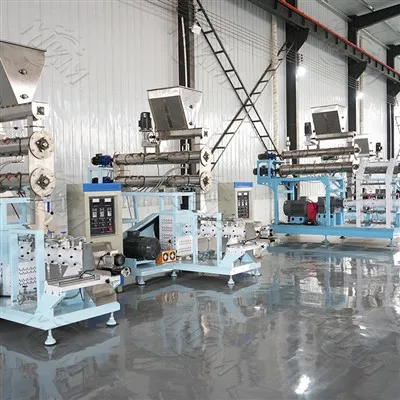
Black-spotted frog farming has become a popular aquaculture activity in recent years, but skin rot and ascites often lead to losses. Skin rot (a bacterial infection) causes frogs' skin to ulcerate, exposing their flesh, with a mortality rate exceeding 20%. Ascites (a bacterial/viral infection) causes frogs to swell their abdomens and refuse to eat, with a mortality rate exceeding 40%. Many farmers rely on drug-immersion treatments, but overlook the crucial role of feed in frog health. Aquatic pellet production lines produce pellets specifically for black-spotted frogs, reducing disease risks from ingestion to digestion.
Cause Analysis
Feed contamination and mold: Traditional feed for black-spotted frogs (such as maggots and low-quality pellets) is susceptible to Aeromonas hydrophila (the causative agent of skin rot) and Edwardsiella pneumoniae (the causative agent of ascites). Improper feed storage can also cause mold and produce toxins, leading to infection and poisoning in frogs.
Feed spillage and water contamination: Maggots or easily disintegrating pellets can easily scatter in the pond after feeding. Rotting and rotting can lead to excessive levels of ammonia, nitrogen, and nitrite in the water, irritating the frogs' skin and causing skin rot. Furthermore, contaminated water can be inhaled by the frogs, increasing their risk of ascites.
Nutritional imbalance and weakened immunity: Insufficient protein (less than 38%) or an unbalanced amino acid content in feed can lead to stunted frog development, weakened immunity, and increased susceptibility to pathogens. A lack of vitamin A (essential for skin and mucous membrane repair) can hinder skin healing and increase the risk of secondary infection.


Solution
High-temperature extrusion sterilization ensures feed safety: The aquatic pellet production line uses high-quality fish meal and insect protein (protein content ≥42%) as raw materials. Through high-temperature twin-screw extrusion (temperature 90-110°C, pressure 4-6 MPa), over 99% of Aeromonas hydrophila and Edwardsiella in the raw materials are killed, while mycotoxins are also destroyed. This reduces the risk of infection for black-spotted frogs. After switching to pelleted feed, one farmer saw the incidence of skin rot drop from 3 to 0 cases per month.
Floating, water-resistant pellets reduce water pollution: The black-spotted frog pellets produced by the production line are buoyant (density 0.9-1.0 g/cm³) and can stay on the water surface for 4-5 hours, ensuring sufficient feeding for frogs and reducing feed scattering from 25% to 6%. The pellets are highly water-resistant (do not disintegrate after soaking), and ammonia and nitrite levels in the water are kept within safe limits, reducing the risk of skin rot.
Precise nutritional balance enhances physique: The production line customizes formulas for the different growth stages of black-spotted frogs (tadpoles, juveniles, and adults). Tadpole feed contains algae extract (to promote metamorphosis), juvenile feed contains vitamin A (to repair skin and mucous membranes), and adult frog feed contains probiotics (with a survival rate exceeding 85% after pelleting). This improves intestinal function, boosts frog immunity by 30%, and reduces the incidence of ascites from 40% to 15%.


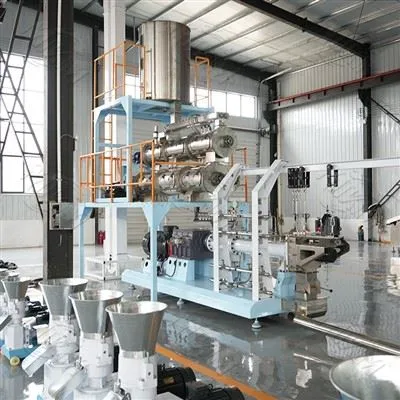
Main equipment of Frog feed pellet production line




Why Choose Us
MIKIM boasts extensive experience in poultry feed pellet production lines, significantly reducing the incidence of poultry diseases. Its equipment is not only widely used across various industries domestically but also exported to Southeast Asia, Europe, Africa, and South America, earning a high reputation internationally. This global presence not only demonstrates the adaptability and competitiveness of its products, but also demonstrates the company's experience in adapting to diverse market standards and logistics conditions, enabling it to provide a stable supply chain for its overseas customers. Whether serving large domestic farms or cross-border feed companies, MIKIM can leverage its global service network to ensure a consistent, high-quality experience.
For more information on process flow design, equipment layout, factory construction plans, individual equipment pricing, or turnkey project proposals, please feel free to contact us!!!

FAQ
1. What is the price of the Frog feed pellet production line ?
The price ranges from approximately $10,000-$55,000
2. Do you provide maintenance services for your customers?
Yes, we offer comprehensive after-sales maintenance services to our customers.