


How can the common illnesses in hairy crab farming be resolved?
Leave a message
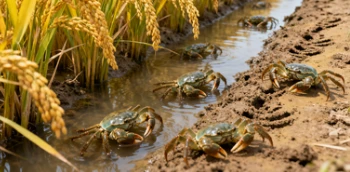
Hairy crab farming is highly profitable, but tremor disease and limb rot often cause significant losses. Tremor disease (a viral infection) causes the crabs to tremble and become unable to crawl, resulting in a mortality rate exceeding 85%. Limb rot (a bacterial infection) causes the crab legs to rot and fall off, significantly reducing their value. Many farmers focus solely on the quality of their crab seed, while ignoring the impact of feed on crab health. Hairy crab pellet feed specifically produced by our aquatic pellet production line can reduce disease at the source.
Cause Analysis
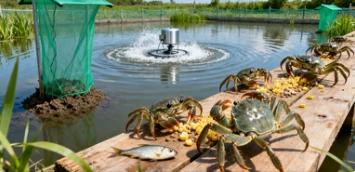
1. Feeding chilled fish carries pathogens: Traditionally fed chilled fish is prone to carrying the tremor disease virus and Vibrio spp. (the pathogen of limb rot). When chilled fish spoil, it produces toxins that infect hairy crabs, causing them to infect the pathogens and damage their livers, weakening their immunity.
2. Feed spillage and contamination of the bottom: Fresh chilled fish or powdered feed easily scatters on the pond bottom after feeding. Rotting causes the bottom to turn black and smelly (excessive levels of hydrogen sulfide), irritating the crabs' legs and causing limb rot. The deteriorated bottom provides conditions for the virus to multiply.
3. Single nutrition and low immunity: Unbalanced chilled fish (lack of B vitamins and minerals) leads to neurological abnormalities in hairy crabs (susceptible to tremor disease) and low protein utilization (only 55%). This leads to poor body development and makes them susceptible to pathogens.
4. Difficult to digest feed damages the intestinal tract: Low-quality pellets are hard (>8 kg/cm²), making them difficult for hairy crabs to digest. This places a heavy burden on the intestinal tract, easily causing enteritis, which in turn weakens immunity and increases the risk of tremor disease and limb rot.

Solution
High-temperature pelleting and sterilization prevent pathogen ingestion: The aquatic product pellet production line uses high-quality protein raw materials (fish meal and soybean meal) and uses ring die pelleting (80-90°C) to kill pathogens and prevent the risk of fresh-frozen fish spoilage. This reduces the shiver disease virus infection rate in hairy crabs from 25% to below 5%.
Slow-sinking pellets are adapted to crab feeding habits: The hairy crab pellets produced by the production line are slow-sinking (sinking to the bottom mud surface in 3-5 minutes) and have a moderate pellet hardness (4-6 kg/cm²), making them easy for crabs to feed. Feed scattering rates are reduced from 30% to below 8%, hydrogen sulfide content in the bottom sediment is kept within a safe range, and the incidence of limb rot has been reduced from 35% to below 12%.
A comprehensive nutritional balance enhances physical health: The production line customizes the formula based on the hairy crab's growth stage (claw crab, adult crab), and the crab feed is supplemented with vitamin B. The feed for adult crabs is supplemented with calcium (to promote shell development) and immune polysaccharides (to boost immunity). This increases protein utilization to 75%, accelerates growth by 20%, and significantly enhances disease resistance.
Digestive aids are added to protect the intestinal tract: Enzymes (such as phytase) and probiotics are added to the pelleted feed. This improves digestive function in hairy crabs and reduces the incidence of enteritis from 18% to below 6%. A healthy gut boosts immunity, reducing the risk of disease infection.


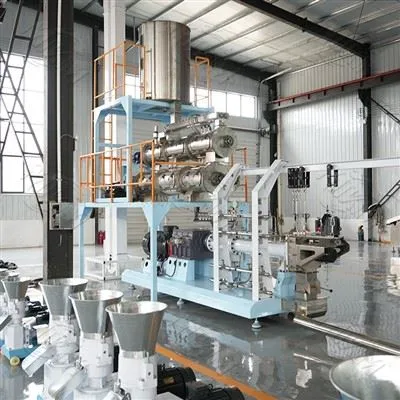
Main equipment of Hairy crab feed pellet production line




Why Choose Us
MIKIM boasts extensive experience in poultry feed pellet production lines, significantly reducing the incidence of poultry diseases. Its equipment is not only widely used across various industries domestically but also exported to Southeast Asia, Europe, Africa, and South America, earning a high reputation internationally. This global presence not only demonstrates the adaptability and competitiveness of its products, but also demonstrates the company's experience in adapting to diverse market standards and logistics conditions, enabling it to provide a stable supply chain for its overseas customers. Whether serving large domestic farms or cross-border feed companies, MIKIM can leverage its global service network to ensure a consistent, high-quality experience.
For more information on process flow design, equipment layout, factory construction plans, individual equipment pricing, or turnkey project proposals, please feel free to contact us!!!

FAQ
1. What is the price of the Hairy crab feed pellet production line?
The price ranges from approximately $8,000-$25,000
2. Do you provide maintenance services for your customers?
Yes, we offer comprehensive after-sales maintenance services to our customers.


