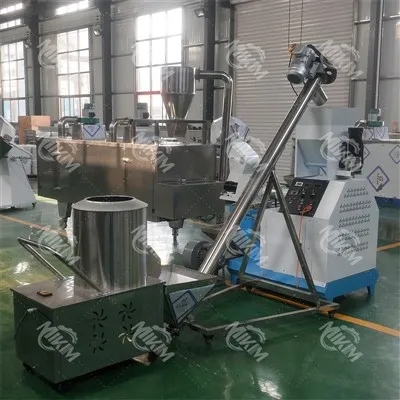
How to modify the feed pellet mix and production line for various fish species
Leave a message
The feed for grass carp and bass cannot be used interchangeably. Grass carp will suffer from indigestion if fed too much high-protein feed, while bass will grow slowly if fed low-protein feed. This shows that different fish species have different nutritional needs, and feed formulations must be "tailor-made." Even the parameters of the fish feed pellet production line must be adjusted accordingly. For example, the extrusion temperature needs to be increased when making bass feed, while the pellet size needs to be adjusted when making grass carp feed.

Specialized formulas for 4 common fish species
1. Grass carp (herbivorous, low protein requirement): The formula should be "high in fiber and medium in protein".
Formulation ratio: Soybean meal 25% (protein source), corn flour 30% (energy source), wheat bran 20% (crude fiber), wheat flour 15% (binding agent), additives 10% (vitamins + minerals);
Production line adjustments: Use 3-4mm pellet molds (grass carp have small mouths, too large pellets are difficult for them to eat), control the puffing temperature at 110-120℃ (too high a temperature will destroy the crude fiber and affect digestion), and stir for an extra 5 minutes during mixing (wheat bran is prone to clumping, so it needs to be mixed thoroughly).
2. Sea bass (carnivorous, high protein requirement): The formula should be "high in fishmeal and low in fiber".
Formulation ratio: 40% imported fishmeal (main protein), 15% soybean meal (auxiliary protein), 20% corn flour (energy), 15% wheat flour (binding agent), 10% additives (high calcium and phosphorus + attractant);
Production line adjustments: Use 5-6mm pellet molds (adult sea bass have large mouths), increase the puffing temperature to 130-140℃ (high temperature allows fishmeal protein to fully denature, making it easier for fish to absorb), and grind the raw materials to 100 mesh (fineer than grass carp feed, avoiding digestive burden on sea bass).
3. Tilapia (omnivorous, hardy): Formula should be "high cost-effective, medium protein".
Formulation ratio: Soybean meal 30% (main protein, inexpensive), corn flour 35% (energy), wheat flour 15% (binder), a small amount of fishmeal 5% (flavor enhancer), additives 15% (probiotics + vitamins);
Production line adjustments: Use 4-5mm molds, puffing temperature 120-130℃. A small amount of vegetable oil (5%) can be added to the production line and sprayed onto the pellet surface; this makes it more palatable for tilapia and reduces feed waste.
4. Shrimp (crustacean, high calcium and phosphorus requirements): The formula should be "high in calcium and phosphorus, finely granulated".
Formulation ratio: Fish meal 35% (protein), shrimp shell powder 10% (calcium and phosphorus supplement, aids in shelling), soybean meal 20% (auxiliary protein), corn flour 20% (energy), additives 15% (shelling agent + vitamins);
Production line adjustments: Use 1-2mm micro-particle molds (small shrimp mouths), after puffing, cool for an additional 10 minutes in a cooling machine (shrimp feed moisture content should be below 12%, otherwise it is prone to mold), and also use a screening machine to remove debris (shrimp only eat whole particles).


Why Choose Us
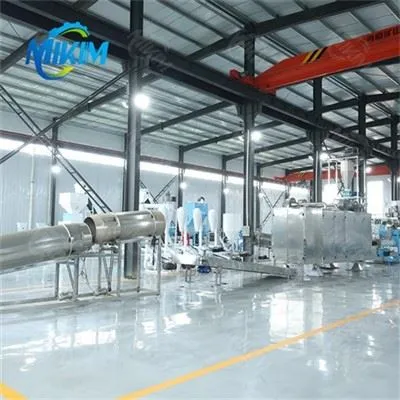
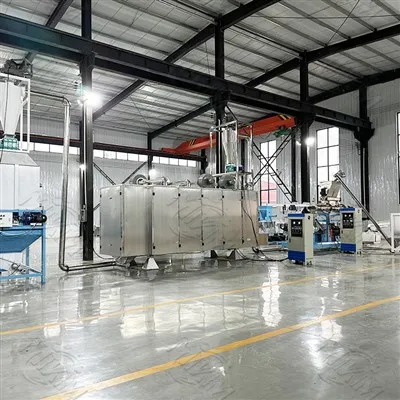
MIKIM boasts extensive experience in poultry feed pellet production lines, significantly reducing the incidence of poultry diseases. Its equipment is not only widely used across various industries domestically but also exported to Southeast Asia, Europe, Africa, and South America, earning a high reputation internationally. This global presence not only demonstrates the adaptability and competitiveness of its products, but also demonstrates the company's experience in adapting to diverse market standards and logistics conditions, enabling it to provide a stable supply chain for its overseas customers. Whether serving large domestic farms or cross-border feed companies, MIKIM can leverage its global service network to ensure a consistent, high-quality experience.
For more information on process flow design, equipment layout, factory construction plans, individual equipment pricing, or turnkey project proposals, please feel free to contact us!!!

FAQ
1. What is the price of the animal feed extruder line?
The price ranges from approximately $9,000-$37,000
2. Do you provide maintenance services for your customers?
Yes, we offer comprehensive after-sales maintenance services to our customers.