How to solve the common diseases of whiteleg shrimp farming
Leave a message
In the farming of whiteleg shrimp, Vibrio infections (such as Vibrio parahaemolyticus and Vibrio harveyi) are the leading cause of disease. Mortality rates exceed 80% and the disease spreads rapidly, spreading throughout a pond within 2-3 days. Many farms have lost their entire operations as a result. Many farmers over-rely on antibiotics for prevention and control, while overlooking the crucial role of feed in shrimp immunity. Aquaculture pellet production lines, specifically designed for shrimp, offer a three-pronged defense against Vibrio infection, encompassing nutrition, pathogens, and water quality.
Cause Analysis
1. Feed ingredients carry Vibrio: Fishmeal and shrimp meal, commonly used in shrimp feed, can be contaminated with Vibrio if improperly stored (detection rates exceed 25%). After shrimp consume them, Vibrio can colonize their intestines, leading to infection.
2. Decomposing bait can breed Vibrio: Traditional sinking feeds or low-quality pellets break easily, resulting in residual feed rates exceeding 25%. These feeds sink to the pond bottom and rot, creating a breeding ground for Vibrio (Vibrio counts can reach over 10⁶ CFU/mL).
3. Low immunity due to nutritional deficiencies: Powdered feeds or pellets produced using poor processing methods can easily lose nutrients such as vitamin C and immune polysaccharides. This nutritional deficiency can weaken shrimp's humoral immune system and make them less able to defend against Vibrio.
4. Feed contamination can cause intestinal damage: Low-quality feeds contain impurities and mycotoxins, which damage the intestinal mucosa of shrimp after consumption, making it easy for Vibrio to invade the body through the intestines and cause systemic infection.

Solution
High-temperature extrusion sterilization eliminates Vibrio in raw materials: The twin-screw extrusion process of the aquatic pellet production line (temperature 100-130°C, pressure 5-8MPa) can kill over 99.9% of Vibrio in the raw materials and simultaneously destroy mycotoxins (for example, aflatoxin degradation rate exceeds 80%), reducing the number of Vibrio colonizing the shrimp's intestines by over 90%.
Production of water-resistant pellets to reduce Vibrio in residual feed: By optimizing the mold and cooling process, the pellets produced by the production line are water-resistant for 2-3 hours (do not collapse after soaking) and have high pellet uniformity (error ≤ 0.5mm). This ensures sufficient shrimp feeding, reduces the residual feed rate to below 8%, reduces organic matter on the pond bottom, and keeps Vibrio proliferation below 10³ CFU/mL (safe range).
Nutritional fortification to enhance immune function: The production line utilizes a "post-spraying" process, spraying heat-sensitive nutrients such as vitamin C and immune polysaccharides after the pellets have cooled (retention rate exceeds 10%). 90%). After ingestion, shrimp experience a 30% increase in humoral immunoglobulin levels, enhanced phagocyte activity, and significantly improved resistance to Vibrio.
Clean raw material processing protects intestinal health: The production line is equipped with raw material selection equipment (color sorter, air separator) to remove impurities and moldy ingredients. The puffing process also softens the feed, reducing the digestive burden on the shrimp's intestines, improving mucosal integrity, and reducing the risk of Vibrio invasion.


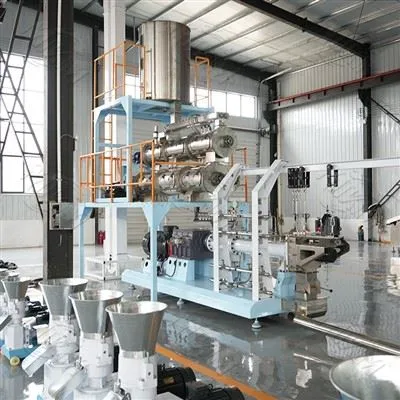
Main equipment of fish feed pellet production line




Why Choose Us
MIKIM boasts extensive experience in poultry feed pellet production lines, significantly reducing the incidence of poultry diseases. Its equipment is not only widely used across various industries domestically but also exported to Southeast Asia, Europe, Africa, and South America, earning a high reputation internationally. This global presence not only demonstrates the adaptability and competitiveness of its products, but also demonstrates the company's experience in adapting to diverse market standards and logistics conditions, enabling it to provide a stable supply chain for its overseas customers. Whether serving large domestic farms or cross-border feed companies, MIKIM can leverage its global service network to ensure a consistent, high-quality experience.
For more information on process flow design, equipment layout, factory construction plans, individual equipment pricing, or turnkey project proposals, please feel free to contact us!!!
FAQ
1. What is the price of the shimp feed pellet production line ?
The price ranges from approximately $10,000-$34,000
2. Do you provide maintenance services for your customers?
Yes, we offer comprehensive after-sales maintenance services to our customers.