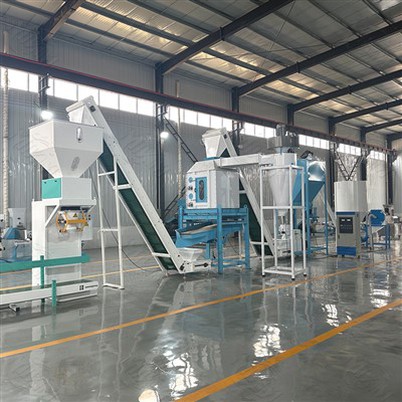
How to use a small feed pellet machine with ease?
Leave a message
Small animal food pellet machines have low output (100-300 kg per hour) and relatively simple structure, but individual operators often lack professional knowledge. Therefore, the precautions should be "simple and easy to understand, highlighting key points," focusing on safe operation, basic maintenance, and troubleshooting common problems.
The simple pre-start inspection precautions should follow the "look, test, clean" principle. First, look at the appearance: check the pellet mill machine casing for damage, aging wiring, and loose screws, especially the fixing screws of the extruder base. If loose, tighten them with a wrench to prevent the equipment from shaking during operation. Second, test the function: after connecting the power, run the machine idle for 1-2 minutes to test if the motor runs normally and without abnormal noise; press the emergency stop button to check if the equipment stops immediately, ensuring the safety device is effective. Third, clean the equipment: check the extrusion chamber and die head for any residual material, especially any clumps not cleaned properly from the last use. Thoroughly clean with a small brush to avoid affecting this production run. For raw material preparation, commonly used raw materials such as corn and soybean meal by individual farmers can be manually sifted through a simple sieve (40 mesh) to remove impurities and large particles. The ideal moisture content is when the raw materials can be squeezed into a clump but crumble easily when released. If the moisture content is too high, they can be sun-dried for 1-2 hours.
Operating precautions include "slow start, steady feeding, and frequent observation." When starting the equipment, follow the principle of "start the machine first, then feed the material." Add raw materials slowly only after the chicken food making machine has stabilized during idle operation to avoid sudden accumulation of material and blockage. When feeding, use a special shovel to evenly add the material; do not touch the feed inlet directly with your hands to prevent fingers from being caught. Three key indicators should be observed during operation: First, motor temperature. Touch the motor casing; if it feels hot to the touch (above 60℃), stop the machine immediately to cool it down and check if overloading is caused by excessive feeding. Second, output condition. If the feed pellets are loose and not formed, increase the extrusion temperature appropriately; if the pellets are too hard, reduce the feed rate. Third, equipment noise. If a "clicking" noise occurs, it usually indicates hard impurities in the raw material; stop the machine immediately for cleaning. Furthermore, if individual operators need to leave temporarily during production, the machine must be stopped first. Never leave the equipment unattended to avoid safety accidents.
Basic maintenance and troubleshooting after shutdown should be "easy to operate and low-cost." When cleaning the pelleting machine, first use a wooden stick to push out any residual material from the extrusion chamber, then wipe the machine body with a damp cloth to prevent dust accumulation. Small holes in the die head can be cleaned one by one with chopsticks wrapped in gauze to ensure unobstructed flow. For maintenance, add ordinary lubricating oil to the rotating parts of the extruder (such as the screw bearing) weekly, using just enough to overflow; there is no need to use expensive special oils. Check the die head for wear monthly. If the pellet forming deteriorates, the die head can be removed and gently sanded with fine sandpaper to extend its service life. Regarding common problems, if material blockage occurs, stop the machine immediately, remove the die head, and use a special tool to clean the material inside the machine. Do not forcibly clear the blockage with an iron rod to avoid damaging the screw. If the motor fails to start, first check if the power is on and if the fuse is blown. Simple faults can be handled by yourself; for complex problems, contact the manufacturer's after-sales service. Do not disassemble the motor yourself.
Related equipment



about Us
Customer visit

Certificate of Honor

FAQ
1. What is the price of the animal food machine?
The price ranges from approximately $4,500-$35,000
2. Do you provide maintenance services for your customers?
Yes, we offer comprehensive after-sales maintenance services to our customers.