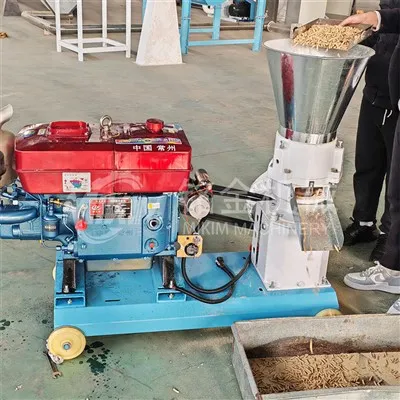
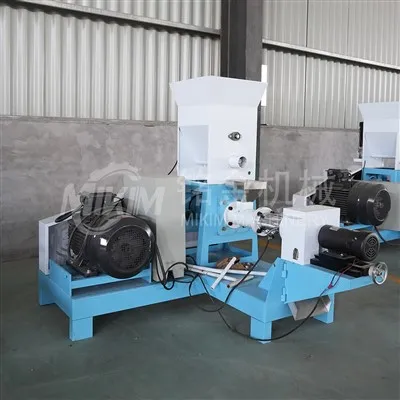
Is the manual floating fish feed pellet machine easy to operate?
Leave a message
Scenario 1: Daily Feeding for Micro-Fishponds (Less than 1 Mu) This scenario is characterized by low feed demand, requiring only 5-10 kg of feed per day, with flexible processing times. A fish farmer in Guangdong, Mr. Ming, raises tilapia in a half-mu pond and uses a gear-reduction manual pellet mill to process 8 kg of feed in 15 minutes each morning. He says this workload is perfectly acceptable; the manual cranking requires moderate effort and doesn't cause fatigue, and the processed feed is fresh, resulting in high fish consumption. For micro-fishpond farmers, the effort required to operate a manual pellet mill is well within acceptable limits. Compared to purchasing feed, it not only saves costs but also allows for flexible adjustments to the formula based on fish growth. In this scenario, a gear-reduction model is recommended, balancing labor-saving and cost-effectiveness, without the need for expensive lever-operated models.
Scenario 2: Batch Processing in Home-Based Workshops This scenario is characterized by high feed demand, requiring 20-50 kg of feed per day, and continuous operation. Ms. Zhang, a fish farmer in Henan, runs a family-run feed workshop, processing feed for three neighboring fish farmers using a manual pellet mill with a power-assisted lever. She stated that when she first used a direct-drive model, her arms ached after processing feed every day. After switching to the power-assisted model, the workload decreased significantly, and she could operate the machine continuously for an hour without feeling too tired. However, even with the power-assisted model, operators still experience some fatigue when processing large batches continuously. Therefore, in such scenarios, it is recommended that two people take turns operating the machine, or that a small electric grinder be used to reduce the amount of labor involved in pre-processing raw materials, making the manual pellet mill easier to operate. Additionally, choosing a model with more die holes can improve processing efficiency and reduce operating time.
Scenario Three: Temporary Feed Supplementation for Wild Fishponds This scenario is characterized by the lack of electricity, requiring equipment to be transported to the fishpond for on-site processing. Mr. Zhou, a fish farmer in Yunnan, has three acres of fishponds in a mountainous area without power grid access, and can only process feed on-site using a manual pellet mill. He stated that during field processing, both raw materials and equipment need to be manually transported, making the weight and portability of the equipment more important than simply "effort-saving." He chose a lightweight gear-reduction manual pellet mill, weighing only 8 kg, making it easy to carry. Although the hand-cranking effort is slightly greater than that of lever-operated models, it is perfectly acceptable for temporary resupply in the field. For such scenarios, he recommends choosing a lightweight and compact model, while also optimizing raw material pretreatment by crushing and sealing the raw materials to avoid the hassle of crushing in the field and reduce on-site labor.
Practical experience in different scenarios shows that the effort required to use a manual fish feed pellet mill is relative. In micro-pond settings, operation is easy and stress-free; in batch processing scenarios, assistance equipment or alternating operation is necessary; in field settings, portability is more important than effort saving. Aquaculture farmers should choose the appropriate model and usage method based on their specific aquaculture scenarios to maximize the advantages of manual pellet mills.
Related equipment


about Us
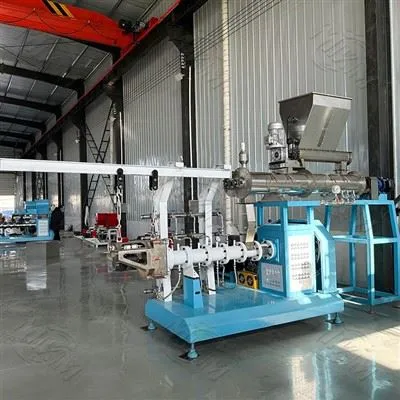
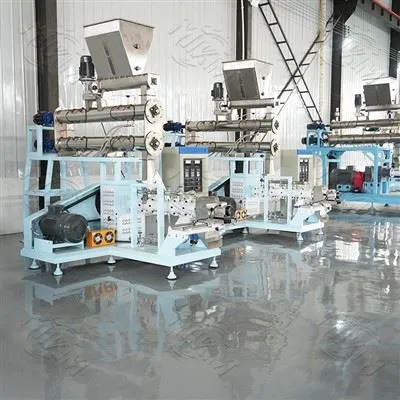
MIKIM's fish feed pellet production lines and supporting machinery offer excellent value for money. Not only are they affordable, eliminating middlemen markups and allowing small and medium-sized enterprises (SMEs) and fish farmers to purchase complete sets of equipment at reasonable costs, but they also boast exceptional efficiency. The fully automated process, from raw material crushing and precise ingredient mixing to extrusion pelleting and maturation, is completed in one continuous flow. This results in high starch gelatinization rates and uniform pellet formation, significantly improving production efficiency and feed quality, truly achieving "low cost, high output." Choosing a MIKIM fish feed pellet production line means enjoying comprehensive pre-sales and after-sales service, including 24-hour online customer support, a one-year warranty on the entire machine, professional on-site installation, commissioning, and maintenance, and a stable supply of spare parts. Customers can buy with confidence and use with peace of mind, with both excellent value and service quality!
Customer visit

Certificate of Honor

FAQ
1. What is the price of the fish feed pellet extruder?
The price ranges from approximately $3,500-$55,000
2. Do you provide maintenance services for your customers?
Yes, we offer comprehensive after-sales maintenance services to our customers.
If you would like to learn more about MIKIM machinery, please contact us. We offer one-stop service and welcome your inquiries!!!