What are the key considerations for the raw materials used in the production of floating fish feed pellets?
Leave a message
Introduction to common basic raw materials
Wheat flour, soybean flour, and corn flour are common basic ingredients in the production of floating fish feed pellets. Wheat flour is rich in carbohydrates, providing fish with the energy needed for daily activities, allowing them to swim and forage in the water with ample energy. Soybean flour is an excellent source of plant protein, with a high protein content and a relatively balanced amino acid composition, which helps fish muscle growth and repair. Just as humans need protein to strengthen their bodies, it helps fish grow stronger. Corn flour also contains a certain amount of protein and abundant carbohydrates, not only supplementing the energy of fish but also improving the palatability of the feed to a certain extent, making it more appealing to fish. For example, some common fish feed formulations mix wheat flour, soybean flour, and corn flour in a certain proportion to provide basic nutritional support for fish.
Nutritional fortification raw material analysis
To ensure fish feed pellets provide comprehensive nutrition and meet the diverse needs of fish for growth, immunity, and other aspects, it's necessary to add fortified ingredients. Fishmeal and shrimp meal are rich in animal protein, and their amino acid composition closely matches the needs of fish, allowing for efficient absorption and utilization, promoting rapid growth, especially suitable for carnivorous or omnivorous fish. Spirulina is also a high-quality fortified ingredient, rich in protein, various vitamins (such as beta-carotene, folic acid, and B12), and minerals (calcium, magnesium, iron, zinc, and other trace elements). These nutrients not only enhance fish immunity but also improve flesh quality. Adding spirulina to some ornamental fish feeds can also enhance color, making the fish's colors more vibrant and bright. Furthermore, vitamin and mineral premixes are essential, supplementing the various vitamins and minerals needed for fish growth, maintaining normal physiological metabolism and development. For example, vitamin C can improve fish's stress resistance, helping them adapt better to environmental changes; calcium, phosphorus, and other minerals are crucial for fish bone development.
Key points for raw material selection
When selecting raw materials, freshness is paramount. Fresh materials retain more nutrients and are less susceptible to contamination by mold, bacteria, and other microorganisms. Using spoiled materials not only reduces the nutritional value of the feed but can also cause fish diseases, impacting farming efficiency. Secondly, the feed formulation should be adjusted based on the feeding habits and nutritional needs of different fish species. Herbivorous fish require more fiber-rich plant-based ingredients, such as alfalfa meal; while carnivorous fish have a higher demand for animal protein, requiring an increased proportion of fishmeal and shrimp meal. For example, grass carp can benefit from increased fiber content in their feed, such as wheat bran and rice bran, to aid digestion; while for carnivorous fish like bass, the proportion of fishmeal should be increased to meet their high protein requirements.


Why Choose Us
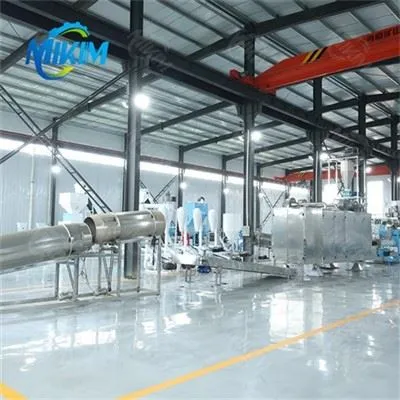
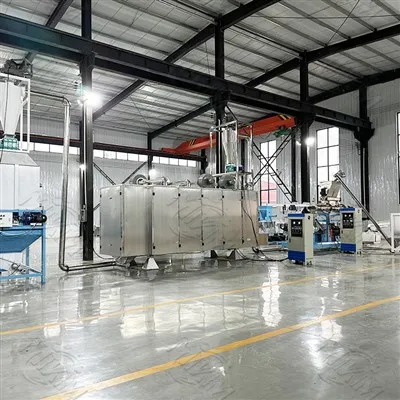
MIKIM boasts extensive experience in poultry feed pellet production lines, significantly reducing the incidence of poultry diseases. Its equipment is not only widely used across various industries domestically but also exported to Southeast Asia, Europe, Africa, and South America, earning a high reputation internationally. This global presence not only demonstrates the adaptability and competitiveness of its products, but also demonstrates the company's experience in adapting to diverse market standards and logistics conditions, enabling it to provide a stable supply chain for its overseas customers. Whether serving large domestic farms or cross-border feed companies, MIKIM can leverage its global service network to ensure a consistent, high-quality experience.
For more information on process flow design, equipment layout, factory construction plans, individual equipment pricing, or turnkey project proposals, please feel free to contact us!!!

FAQ
1. What is the price of the fish meal pellet production line?
The price ranges from approximately $8,000-$36,000
2. Do you provide maintenance services for your customers?
Yes, we offer comprehensive after-sales maintenance services to our customers.