What are the manifestations of poor palatability in fish and shrimp feed?
Leave a message
Some fish farmers have noticed that when they scatter feed into their ponds, the fish and shrimp avoid it and don't eat for a long time; some do eat, but they are not eager to eat like before, and a lot of feed is left over after feeding. This isn't because the fish and shrimp aren't hungry, but because the feed is "unpalatable"-the taste and texture don't suit their appetites. Even if the feed is highly nutritious, it's useless if the fish and shrimp won't eat it, and it will only waste feed.
Four Specific Manifestations of Poor Palatability of Aquatic Feed
1. Fish and shrimp refuse to eat: They don't eat after being fed, or even avoid it. Normally, fish and shrimp will gather around to eat within 1-2 minutes after feeding. If they haven't come to eat after 5 minutes, or even avoid the feed (for example, grass carp hide in aquatic plants), it's a serious refusal to eat. This is mostly due to the addition of off-flavor ingredients to the feed (such as spoiled fishmeal, which has a foul smell), or uneven mixing in the production line (too much bitter additive in some parts of the feed). Refused feed is wasted and pollutes the water, as it will slowly rot in the water.
2. Lack of enthusiasm for eating: They eat slowly and don't actively compete. Good feed will cause fish and shrimp to "fight" for it, creating a lot of splashing on the surface. If they eat slowly, only swimming around the feed without actively competing, taking a bite and then pausing for a long time, it's a lack of enthusiasm for eating. This is caused by the feed's poor texture (e.g., the pellets are too hard for fish and shrimp to chew; or they are too loose, turning into powder easily and lacking chewiness), or its bland taste (e.g., too little fishmeal, resulting in no fishy smell). A lack of feeding activity will prolong feeding time (what used to be a 20-minute feeding now takes an hour), and will also prevent smaller fish and shrimp from getting enough food, causing them to grow more slowly.
3. Excessive leftover feed: A lot of feed remains in the water after feeding. Normally, the scattered feed is eaten by the fish and shrimp, leaving almost nothing in the water. If, after feeding, a lot of feed floats on the surface and remains uneaten at the bottom, this indicates excessive leftover feed. This is caused by poor palatability of the feed, which the fish and shrimp don't like, or the pellet size being unsuitable (e.g., feeding small fish with large fish food, which they cannot finish). Excessive leftover feed is not only wasteful but also pollutes the water. For example, rotting leftover feed will increase ammonia levels in the water, making fish and shrimp prone to enteritis.
4.
Long feeding time for fish and shrimp: A meal takes a long time to finish.
Good aquatic feed allows fish and shrimp to finish a meal in just 15-30 minutes; if it takes more than an hour, the feeding time is considered long. This is caused by the feed's poor solubility (slow flavor release, fish and shrimp cannot smell it) or the pellets being too tough (fish and shrimp have to chew for a long time to swallow). A long feeding time causes fish and shrimp to expend more energy, which is detrimental to growth and increases the risk of attack by predators (such as birds pecking at fish and shrimp while they are eating).
A helpful tip
Observe the behavior of fish and shrimp when feeding them: if they refuse to eat or are weak at competing for food, try switching to a small amount of other brands of feed. If the fish and shrimp like to eat after switching feed, it means that the original feed is not palatable, so switch the feed immediately and do not force them to eat.



Why Choose Us
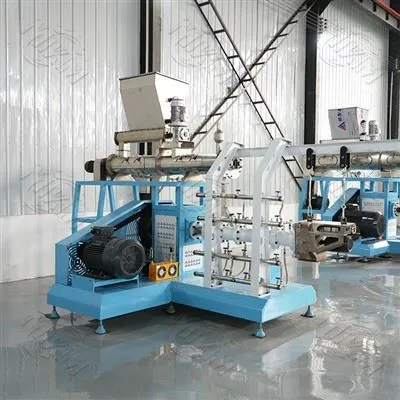
MIKIM boasts extensive experience in poultry feed pellet production lines, significantly reducing the incidence of poultry diseases. Its equipment is not only widely used across various industries domestically but also exported to Southeast Asia, Europe, Africa, and South America, earning a high reputation internationally. This global presence not only demonstrates the adaptability and competitiveness of its products, but also demonstrates the company's experience in adapting to diverse market standards and logistics conditions, enabling it to provide a stable supply chain for its overseas customers. Whether serving large domestic farms or cross-border feed companies, MIKIM can leverage its global service network to ensure a consistent, high-quality experience.
For more information on process flow design, equipment layout, factory construction plans, individual equipment pricing, or turnkey project proposals, please feel free to contact us!!!
FAQ
1. What is the price of the animal feed extruder line?
The price ranges from approximately $10,000-$46,000
2. Do you provide maintenance services for your customers?
Yes, we offer comprehensive after-sales maintenance services to our customers.