Particular signs of aquatic feed's subpar environmental performance
Leave a message
Many fish farmers find problems as soon as they use the feed they buy – the aquatic feed crumbles into powder within minutes of being put into the water, and the fish and shrimp don't eat much of it before the water becomes cloudy; some pellets vary too much in size, so small fish can't eat them and larger fish don't get enough to eat. These are all signs of poor feed physical properties, which not only waste money but can also negatively impact fish and shrimp growth. However, many people don't realize these problems are indicative of poor performance and mistake them for normal phenomena.
Two specific signs of poor environmental performance in aquatic feed:
1. Rapid Water Quality Deterioration: Turbid Water with an Unpleasant Odor. Under normal conditions, when fed environmentally friendly feed, fishpond water can remain clear for 1-2 months. However, if fed poor-quality feed, the water will become turbid within 1-2 weeks (e.g., milky white indicates high bacterial count, dark green indicates rampant algae growth), or smell fishy (excessive ammonia nitrogen), indicating poor environmental performance. This is caused by low feed digestibility (high undigested protein, which decomposes to produce ammonia nitrogen) or too many nutrients that easily promote algae growth (e.g., high phosphorus content). Deteriorating water quality leads to oxygen deprivation for fish and shrimp and also breeds parasites, such as anchor worms.
2.Severe Bottom Sediment Pollution: Black and Smelly Bottom Water. With good feed, the bottom sediment of the fishpond will be brown and odorless after prolonged use. If the bottom sediment turns black and smells foul (like rotten mud), and feels sticky to the touch, it indicates bottom sediment pollution. This is caused by too much coarse fiber and indigestible substances in the feed (such as low-quality straw powder), which the fish and shrimp cannot digest, sink to the bottom and rot, or by the feed particles having poor water resistance (breaking into powder and sinking to the bottom) – bottom mud.


Why Choose Us
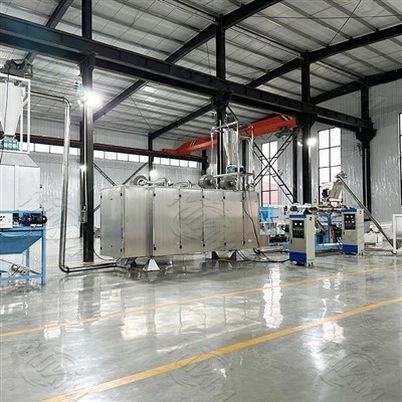
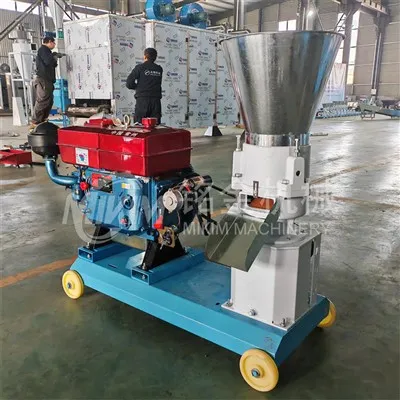
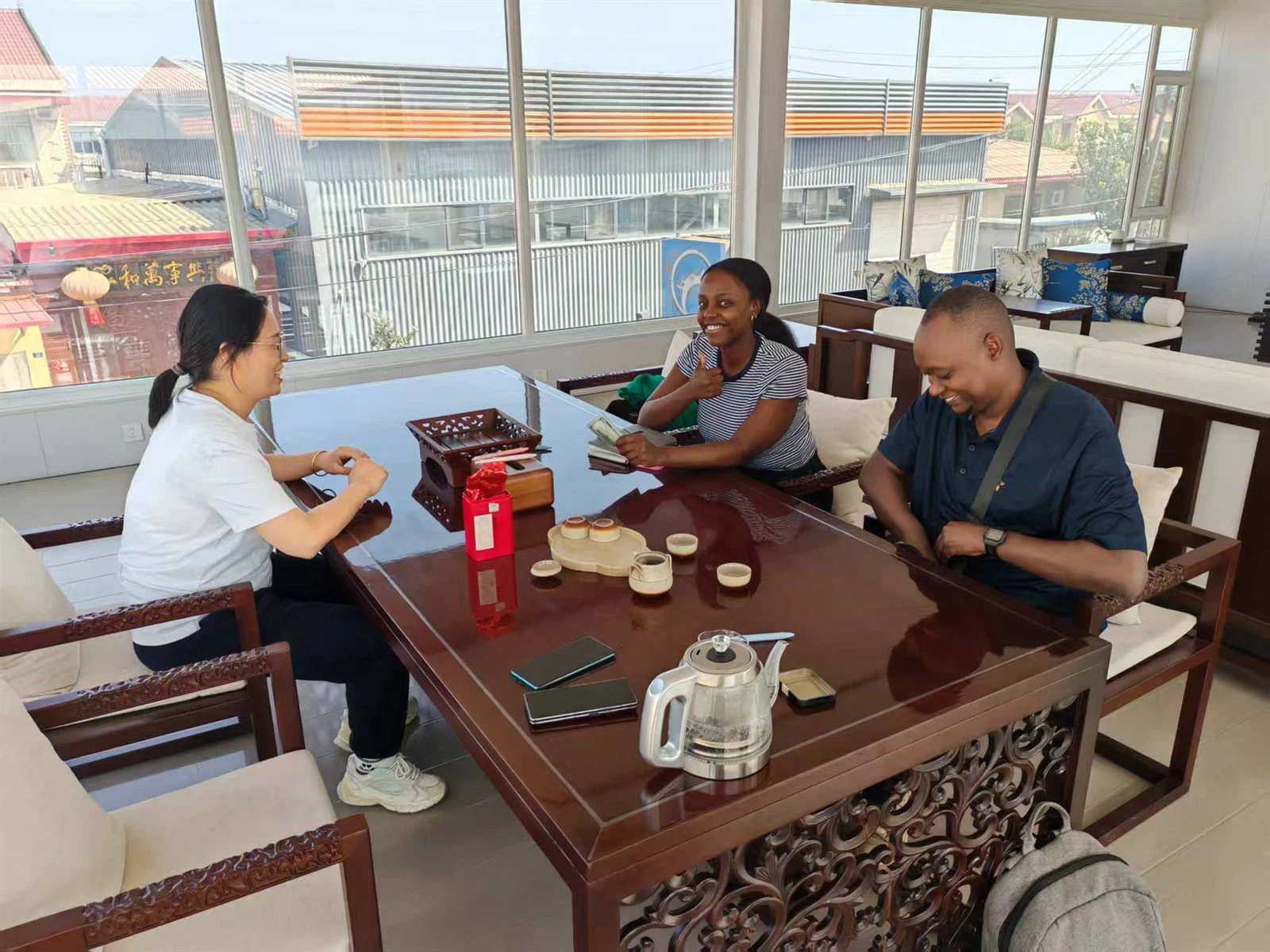
MIKIM boasts extensive experience in poultry feed pellet production lines, significantly reducing the incidence of poultry diseases. Its equipment is not only widely used across various industries domestically but also exported to Southeast Asia, Europe, Africa, and South America, earning a high reputation internationally. This global presence not only demonstrates the adaptability and competitiveness of its products, but also demonstrates the company's experience in adapting to diverse market standards and logistics conditions, enabling it to provide a stable supply chain for its overseas customers. Whether serving large domestic farms or cross-border feed companies, MIKIM can leverage its global service network to ensure a consistent, high-quality experience.
For more information on process flow design, equipment layout, factory construction plans, individual equipment pricing, or turnkey project proposals, please feel free to contact us!!!
FAQ
1. What is the price of the fish feed equipment?
The price ranges from approximately $5,000-$26,000
2. Do you provide maintenance services for your customers?
Yes, we offer comprehensive after-sales maintenance services to our customers.