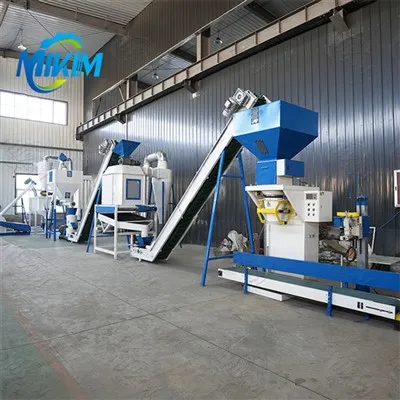
What distinguishes animal extrusion production lines from feed pellet production lines?
Leave a message
Why do some aquaculture farms consistently use pelleted feed, while others exclusively choose extruded feed? This is closely related to their farming practices and cost budgets. Pelleted feed is suitable for conventional farming, saving money and effort; extruded feed is suitable for specific needs, and although more expensive, it can improve farming efficiency. Below is a comparison of the differences in application scenarios between the two.
Manufacturing process determines application scenarios
Applications of Pelleted Feed: Pelleted feed production equipment (pellet mills) is relatively inexpensive, costing only tens of thousands of yuan for small and medium-sized farmers. The production process is simple and easy to operate, making it suitable for family farms, small feed processing plants, and other small-scale production scenarios. From a farming perspective, pelleted feed is sufficient for conventional farming (such as regular feeding in chicken farms, pig farms, and cattle farms), meeting the basic nutritional needs of animals at a low cost, thus reducing farming expenses. Furthermore, pelleted feed is suitable for long-distance transportation; for example, when feed processing plants supply farmers in other regions, using pelleted feed reduces breakage and waste during transportation, lowering logistics costs.
Applications of Extruded Feed: Extruded feed requires specialized extrusion machines, which are expensive (hundreds of thousands or even millions of yuan) and consume a lot of energy. It is suitable for large-scale feed processing plants or large-scale farms (such as pig farms with tens of thousands of heads or large-scale aquaculture bases). From the perspective of aquaculture needs, extruded feed is necessary for certain aquaculture scenarios. For example, aquaculture (fish, shrimp, crab) requires floating or sinking feed, which only extrusion technology can achieve. Similarly, the raising of young animals (such as weaned piglets and ducklings) requires easily digestible and palatable feed, which extruded feed can meet. Furthermore, high-end aquaculture scenarios (such as organic farming and pet farming) also commonly use extruded feed to improve feed quality and result in higher-quality aquaculture products.
Differences between the two production lines
Animal extrusion production line (commonly known as a puffing production line)
Core principle: Similar to "making popcorn," the raw materials are heated and humidified in a conditioner, then enter the extruder and are pushed at high speed by the screw. Inside the machine, a pressure of 3-5 MPa and a temperature of 110-130℃ are created, causing the starch in the raw materials to gelatinize and generate gas. As the gas is extruded through the die, the pressure drops sharply, and the volume expands to form porous particles.
Key equipment: An extrusion puffing machine (the core components are the screw and sleeve), a coating machine (for aquatic feed), and a matching ultrafine pulverizer (the raw materials need to be pulverized to 0.8-1.2 mm) are required.


Feed Pellet Production Line (Conventional Pelletizing Production Line)
Core Principle: Similar to "pressing biscuits," the raw materials are mixed and directly fed into the pellet mill. Through the extrusion of rollers and molds, the raw materials are forcibly pressed into the die holes to form the pellet. The process involves low temperature (85-90℃) and gentle pressure, relying solely on the adhesive properties of the raw materials themselves.
Key Equipment: The core component is a ring die/flat die pellet mill (pressure rollers + mold), paired with a standard pulverizer (for pulverizing raw materials to 1.5-2.0mm). No extruder or coating machine is required.


about Us
Customer visit

FAQ
1. What is the price of the fish food extruder line?
The price ranges from approximately $9,000-$40,000
2. Do you provide maintenance services for your customers?
Yes, we offer comprehensive after-sales maintenance services to our customers.