What factors should be evaluated before choosing a floating fish pellet production line?
Leave a message
Key Selection Points
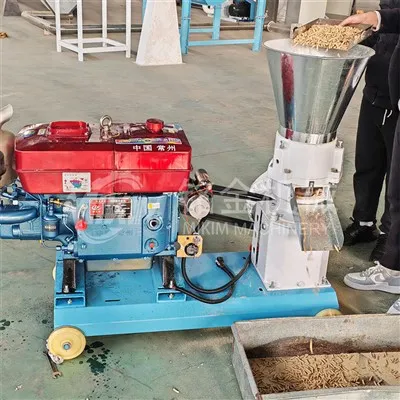
Prioritize the waterproofing process of the pellet production line: High-quality fish feed should remain intact in water for 3-5 minutes without disintegrating. The production line must include a "double-layer coating process"-an inner layer of starch adhesive (to improve pellet adhesion) and an outer layer of waterproof film (such as food-grade paraffin emulsion). Simultaneously, the pellet mill should use a "high compression ratio die" (compression ratio 1:8-1:10) to achieve higher pellet density and reduce water penetration. Furthermore, the "maturation control" of the production line must be checked; a maturity of 90% or higher enhances the pellet's waterproofness and prevents the raw material from dissolving in water.
Match the raw material processing capacity of the production line according to the fish's diet: Tropical ornamental fish are mostly omnivorous, requiring a mixture of fishmeal, spirulina powder, and grain powder. The production line must be equipped with a "multi-component feed scale" (accuracy ±0.1%) to ensure uniform mixing of raw materials. Carnivorous fish (such as map fish) require high animal protein; the production line must include a "minced meat addition device" to thoroughly mix fresh minced meat with dry powder raw materials, preventing protein clumping in the pellets.
Balancing water protection and production line environmental friendliness: If raw materials are not mixed evenly during fish feed production, powder is easily generated, which pollutes the water body after entering the water. Therefore, the production line needs to be equipped with a "pulse dust removal system" to collect dust during the production process. At the same time, choosing a pellet production line with a "water circulation cooling system" can reduce water waste and meet the requirements of environmentally friendly production, which is especially suitable for small and medium-sized fish farms or home ornamental fish feed making scenarios.
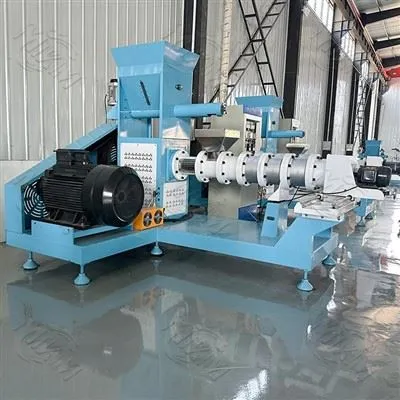
Main equipment of the floating animal meal extruder line
floating feed making machine



parameter
|
|
|
|
|
|
|
|---|---|---|---|---|---|
|
|
|
|
|
|
|
|
|
|
|
|
|
|
|
|
|
|
|
|
|
|
|
|
|
|
|
|
|
|
|
|
|
|
|
|
|
|
|
|
|
|
|
|
|
|
|
|
|
about Us
MIKIM boasts extensive experience in poultry feed pellet production lines, significantly reducing the incidence of poultry diseases. Its equipment is not only widely used across various industries domestically but also exported to Southeast Asia, Europe, Africa, and South America, earning a high reputation internationally. This global presence not only demonstrates the adaptability and competitiveness of its products, but also demonstrates the company's experience in adapting to diverse market standards and logistics conditions, enabling it to provide a stable supply chain for its overseas customers. Whether serving large domestic farms or cross-border feed companies, MIKIM can leverage its global service network to ensure a consistent, high-quality experience.
Customer visit

FAQ
1. What is the price of the production line for making fish floating meal?
The price ranges from approximately $15,000-$45,000
2. Do you provide maintenance services for your customers?
Yes, we offer comprehensive after-sales maintenance services to our customers.