


What is the correct cleaning procedure for the floating pet feed pellet line after producing sterile aquatic feed?
Leave a message
After producing sterile aquatic feed (such as fry starter feed and specialty aquatic animal feed, which requires a total bacterial count of ≤100 CFU/g and is pathogen-free) on a floating pet feed production line, if not thoroughly cleaned, residual feed can carry bacteria (such as Salmonella and E. coli), contaminating the next batch of sterile feed and causing mass mortality (over 50% mortality) after fry consume it. Many sterile feed manufacturers face frequent customer complaints and product recalls due to substandard cleaning. Therefore, strict adherence to food-grade sterile cleaning procedures is essential.
Cleaning Reasons
1.Meeting sterile feed production standards: Sterile aquatic feed has extremely high microbial requirements (for example, EU standards require freedom from Salmonella and Listeria). Residual bacteria in the equipment can cause newly produced feed to exceed microbial standards, failing quality inspection and resulting in product rejection.
2 .Preventing pathogenic bacteria from infecting aquatic animals: Sterile feed is primarily targeted at sensitive aquatic animals (such as fry and ornamental fish), which have weak immune systems. If the feed carries pathogens like E. coli and Vibrio, it can cause large-scale infections (such as enteritis in fry), resulting in significant losses for farmers.
Daily Cleaning Procedure
1. Pre-cleaning: Use a high-pressure water jet to flush the interior of the extruder, conveying pipes, agitator, and other components to remove any feed residue adhering to the surface. For hard-to-clean corners, scrub with a soft brush and warm water to ensure no visible residue.
2. Chemical Disinfection: Prepare a chlorine-containing disinfectant (effective chlorine concentration 500-1000 mg/L) and circulate it through the production line pipes using a circulation pump for 30 minutes. Soak and disinfect key components, such as the extruder chamber and screw, for 20 minutes. Alternatively, use a food-grade quaternary ammonium disinfectant, diluted according to the instructions, and wipe the equipment surface. After disinfection, rinse the equipment thoroughly with plenty of clean water to avoid any disinfectant residue.
3. Heat Sterilization: Start the extruder's idle cycle, raise the equipment temperature to 121°C, and maintain it for 30 minutes for high-temperature sterilization. Alternatively, use high-temperature steam to continuously purge components, such as conveying pipes and silos, for
4. 20 minutes to kill any remaining bacteria. Sterility Testing: Use a sterile cotton swab to smear samples from key areas of the equipment (such as the extruder outlet and pipe connections). The samples are then sent to a specialized laboratory for microbial culture testing for total bacterial count and pathogens. If the test results do not meet sterility standards (total bacterial count ≤ 100 CFU/g, no pathogens), repeat the cleaning and disinfection steps described above.
Drying and Sealing: After passing the test, use a hot air blower to dry the interior of the equipment to prevent residual moisture from breeding bacteria. Close all equipment inlets and outlets, cover equipment surfaces with dustproof cloths, and maintain a clean production workshop environment to ensure the equipment remains sterile until the next use.



Why Choose Us
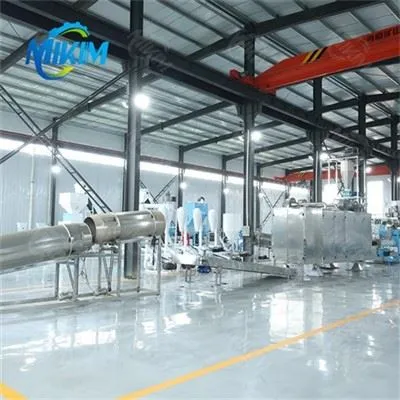
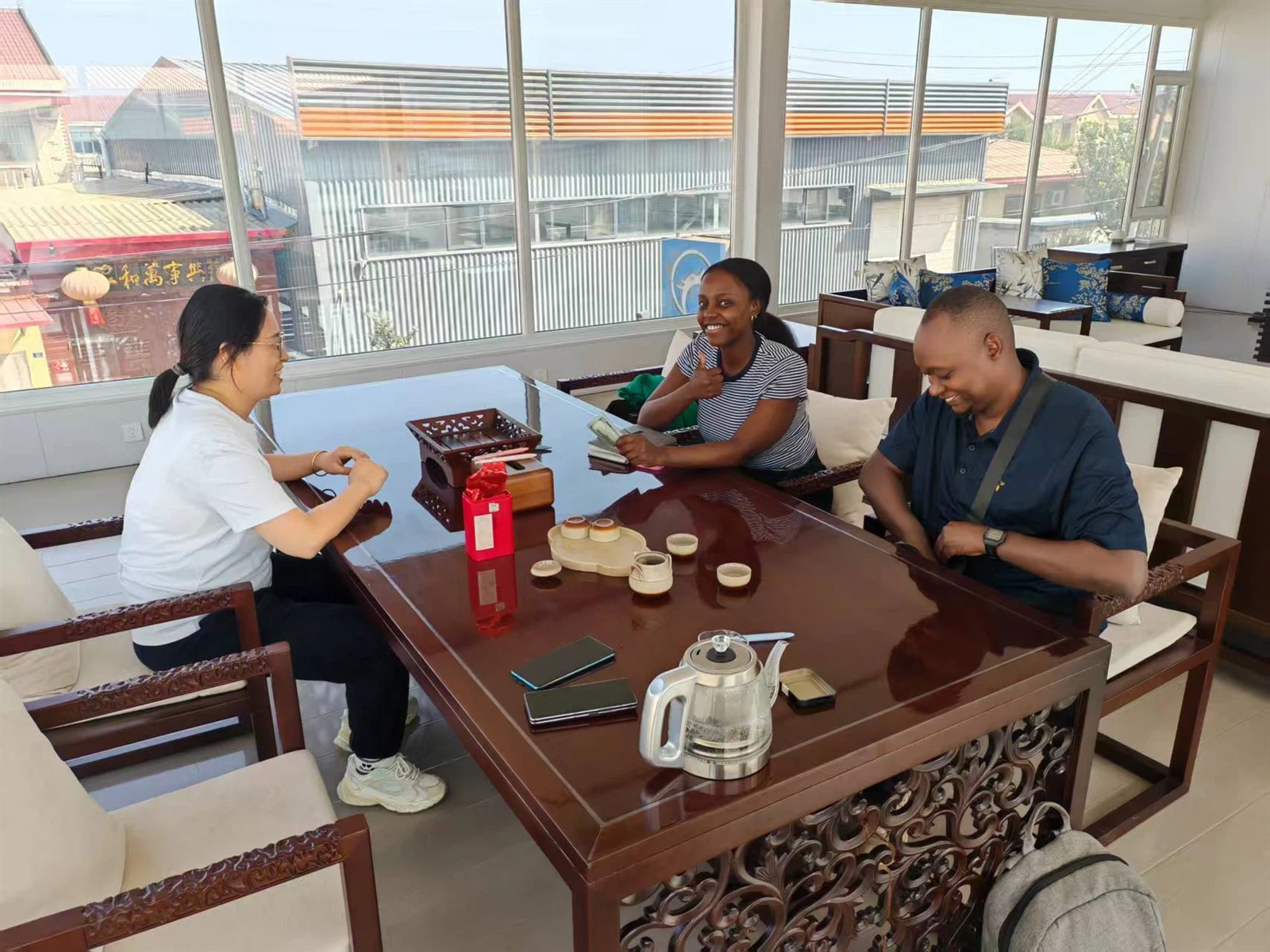
MIKIM boasts extensive experience in poultry feed pellet production lines, significantly reducing the incidence of poultry diseases. Its equipment is not only widely used across various industries domestically but also exported to Southeast Asia, Europe, Africa, and South America, earning a high reputation internationally. This global presence not only demonstrates the adaptability and competitiveness of its products, but also demonstrates the company's experience in adapting to diverse market standards and logistics conditions, enabling it to provide a stable supply chain for its overseas customers. Whether serving large domestic farms or cross-border feed companies, MIKIM can leverage its global service network to ensure a consistent, high-quality experience.
For more information on process flow design, equipment layout, factory construction plans, individual equipment pricing, or turnkey project proposals, please feel free to contact us!!!
FAQ
1. What is the price of the animal meal extruder line?
The price ranges from approximately $12,000-$43,000
2. Do you provide maintenance services for your customers?
Yes, we offer comprehensive after-sales maintenance services to our customers.


