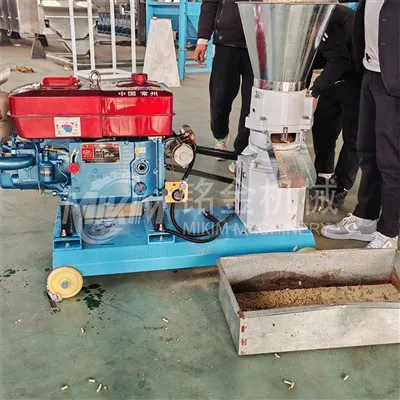
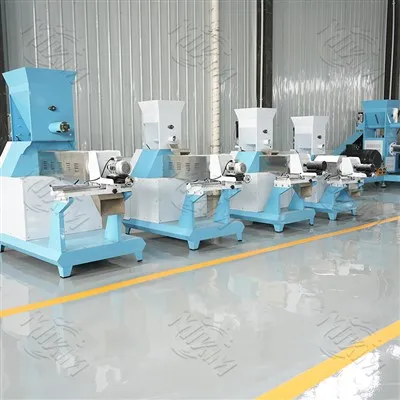
What should I pay attention to when using poultry feed pellet machine in winter?
Leave a message
Winter temperatures plummet (dropping below -10°C in some areas). Many feed mills experience problems with feed pellet machines, such as screw sticking and die cracking, or even motor overload tripping immediately after startup. This isn't equipment malfunction; rather, the low temperatures cause component shrinkage and lubrication failure, potentially leading to irreversible damage if the machine is started immediately. However, these risks can be easily avoided by properly preheating the equipment.
Precautions and reasons
1. Motor Preheating: Avoid Excessive Starting Current and Coil Burn
Reason: Winter temperatures can increase the brittleness of the motor coil's insulating varnish and the viscosity of the lubricant (for example, the viscosity of the gearbox lubricant may rise from 150 cSt at 40°C to 800 cSt at -5°C). This increases the resistance during motor startup, and the starting current may reach 8-10 times the rated current (only 5-6 times at normal temperatures), potentially burning the coil or triggering the overload protection.
Note: Before starting the motor, preheat the motor (turn the motor switch to "half-on" or use a dedicated motor preheater) for 15-20 minutes. Wait until the motor housing temperature reaches 15-20°C before officially starting the motor. After starting, allow the motor to idle for 3-5 minutes to observe if there are any abnormalities before starting the screw.
2. Preheating the barrel and screw: Preventing raw material agglomeration, jamming, and ring die cracking.
Cause: In winter, the barrel and screw temperatures are consistent with room temperature (down to below 0°C). Raw materials (such as corn and soybean meal) entering the barrel can easily adhere to the cool screw surface due to the large temperature difference, forming lumps. Furthermore, the ring die becomes more brittle at low temperatures. If high-temperature steam is directly introduced to condition the raw materials, the thermal shock may cause cracking (especially in cast iron ring dies).
Precautions: Turn on the barrel heating device (such as an electric heating tube or steam heating jacket) and preheat the barrel to 40-50°C (monitored by a temperature controller). Simultaneously, manually rotate the screw (if equipped with a manual turning device) to ensure it is not stuck. During the preheating process, check the ring die temperature every 5 minutes. Do not resume feeding and conditioning until the die temperature rises above 30°C.
3.Conditioner Preheating: Prevents moisture and agglomeration of raw materials to ensure optimal conditioning.
Reason: In winter, the inner wall temperature of the conditioner is low. High-temperature steam (usually 100-120°C) condenses upon cooling, causing moisture and agglomeration in the raw materials (especially those high in starch content). This not only affects conditioning uniformity (the starch gelatinization rate may drop from 80% to below 50%), but can also clog the conditioner outlet.
Note: Before starting the machine, introduce a small amount of steam (steam pressure 0.2-0.3 MPa) into the conditioner for 10 minutes to raise the inner wall temperature to above 60°C. Add raw materials only after there is no condensation on the inner wall. During the initial conditioning phase, control the steam usage (reduce it by 10%-15% compared to summer) and gradually increase it to normal levels.


Why Choose Us
MIKIM boasts extensive experience in poultry feed pellet production lines, significantly reducing the incidence of poultry diseases. Its equipment is not only widely used across various industries domestically but also exported to Southeast Asia, Europe, Africa, and South America, earning a high reputation internationally. This global presence not only demonstrates the adaptability and competitiveness of its products, but also demonstrates the company's experience in adapting to diverse market standards and logistics conditions, enabling it to provide a stable supply chain for its overseas customers. Whether serving large domestic farms or cross-border feed companies, MIKIM can leverage its global service network to ensure a consistent, high-quality experience.
For more information on process flow design, equipment layout, factory construction plans, individual equipment pricing, or turnkey project proposals, please feel free to contact us!!!

FAQ
1. What is the price of the feed granulator machine?
The price ranges from approximately $3,000-$5,000
2. Do you provide maintenance services for your customers?
Yes, we offer comprehensive after-sales maintenance services to our customers.