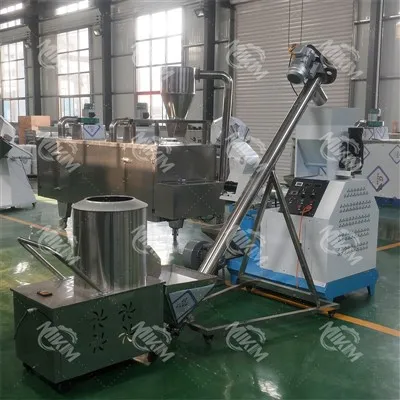
What should be done if a pellet feed production line experiences inconsistent particle size?
Leave a message
In feed production, uneven pellet size is sometimes not caused by equipment or raw materials, but by improper operation-such as failing to preheat equipment before starting, arbitrarily adjusting parameters during production, or failing to clean up residual raw materials after shutdown. These seemingly minor operational errors can accumulate and lead to abnormal pellet size. Many manufacturers overlook the importance of standardized operation, resulting in recurring problems. In fact, standardized operation can effectively prevent these issues.
Problem Causes and Solutions
1.Insufficient preheating or inadequate inspection before startup
Reasons: The pellet mill was not preheated before startup (e.g., the barrel temperature did not rise above 50℃), or the preheating time was too short (less than 20 minutes). The low temperature of the barrel and screw will cause the raw material to stick together, forming local blockages and producing uneven pellet size. The condition of the ring die and pressure rollers was not checked (e.g., blockage of the die holes was not found). Production was started directly. Clogged die holes are prone to producing debris around them, while unblocked die holes produce coarse pellets.
Solution: Establish a preheating procedure before startup: First, start the motor and preheat for 15 minutes (idling, no load), then turn on the barrel heating device to preheat the barrel temperature in stages to 40-50℃ for the feeding section, 60-70℃ for the compression section, and 70-80℃ for the discharge section, with a preheating time of no less than 30 minutes; during preheating, check the ring die (whether the die holes are blocked), the pressure roller (whether the surface is worn), and the cutter (whether it is sharp), and deal with any problems in time (such as unblocking the die holes and sharpening the cutter), and ensure that the equipment is in good condition before feeding materials for production.
2.Arbitrary parameter adjustments or untimely monitoring during production
Causes: Production personnel did not adjust parameters according to the operating procedures, such as suddenly increasing the feeding speed (from 30r/min to 45r/min), or frequently changing the steam consumption, causing fluctuations in the state of the raw materials in the barrel, and the particle size varies with parameter changes; failure to monitor particle quality in real time (such as checking only once per hour), when uneven particle size is not detected in time, resulting in the accumulation of unqualified products.
Solutions: Establish parameter adjustment guidelines and clearly define adjustment authority (e.g., feeding speed adjustments require team leader confirmation). During adjustments, follow the principle of "gradual fine-tuning" (each feeding speed adjustment should not exceed 5 r/min, and steam consumption adjustment should not exceed 1 kg/100 kg of raw material). Observe for 10-15 minutes after adjustment to ensure particle uniformity is normal before proceeding. Establish a particle quality inspection system; production personnel should take samples every 30 minutes to test particle diameter, length, and breakage rate, recording the results in the "Particle Quality Inspection Form." If any abnormalities are found, immediately stop the machine for investigation.


Why Choose Us
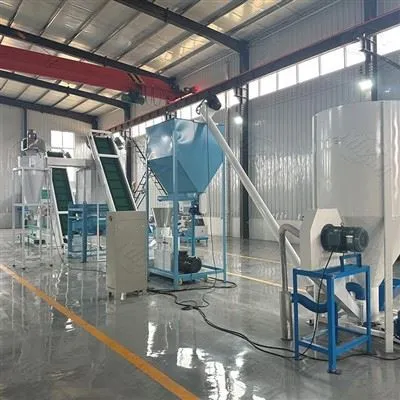
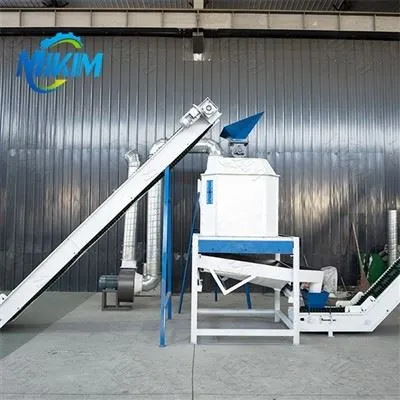
MIKIM boasts extensive experience in poultry feed pellet production lines, significantly reducing the incidence of poultry diseases. Its equipment is not only widely used across various industries domestically but also exported to Southeast Asia, Europe, Africa, and South America, earning a high reputation internationally. This global presence not only demonstrates the adaptability and competitiveness of its products, but also demonstrates the company's experience in adapting to diverse market standards and logistics conditions, enabling it to provide a stable supply chain for its overseas customers. Whether serving large domestic farms or cross-border feed companies, MIKIM can leverage its global service network to ensure a consistent, high-quality experience.
For more information on process flow design, equipment layout, factory construction plans, individual equipment pricing, or turnkey project proposals, please feel free to contact us!!!
FAQ
1. What is the price of the Feed Production Line?
The price ranges from approximately $7,000-$25,000
2. Do you provide maintenance services for your customers?
Yes, we offer comprehensive after-sales maintenance services to our customers.