


Which type of feed—pelleted or extruded—retains nutrients better?
Leave a message
The impact of processing techniques on nutrition
Nutrient retention in pelleted feed: Because pelleting machines operate at low temperatures (85-90℃) and the raw materials remain in the machine for a short time (a few minutes), there is less damage to heat-sensitive nutrients. For example, vitamins (especially vitamin C and vitamin E) and amino acids, which are easily lost due to heat, are retained in greater quantities in pelleted feed. Additionally, the protein structure of the raw materials is not excessively damaged, making digestion and absorption easier for animals. However, pelleted feed has a low starch gelatinization rate (approximately 60%-70%), making starch less easily digestible. Furthermore, anti-nutritional factors in the raw materials (such as trypsin inhibitors in soybean meal) are not completely destroyed, which can slightly affect nutrient absorption.
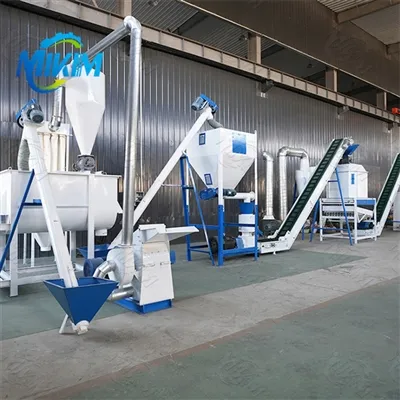


Nutritional retention in extruded feed: Fish feed extruders operate at high temperatures (110-130℃), but the raw materials remain under high temperature and pressure for a very short time (only a few seconds), which is considered "short-time high temperature." This process can quickly destroy anti-nutritional factors in raw materials, significantly increasing starch gelatinization (to 85%-95%), transforming the starch into a form easily digestible by animals. Simultaneously, the high temperature kills harmful microorganisms such as bacteria and mold in the raw materials, making the feed safer. However, a drawback is that more heat-sensitive vitamins are lost. Therefore, during the production of extruded feed, an additional layer of vitamins is usually sprayed on after cooling to compensate for the lost nutrients.


Other differences
The difference in nutrient retention makes them suitable for different animal stages: pelleted feed is suitable for young animals with high vitamin requirements, such as piglets and chicks, as it avoids vitamin loss that could affect growth; extruded feed is suitable for animals that need to digest and absorb nutrients quickly, such as fattening pigs, broilers, and aquatic animals, as the gelatinized starch is easier to digest and improves feed conversion ratio. In addition, extruded feed has a longer shelf life due to more thorough sterilization and is less prone to mold and spoilage.

about Us
Customer visit

FAQ
1. What is the price of the floating fish feed machine?
The price ranges from approximately $8,000-$35,000
2. Do you provide maintenance services for your customers?
Yes, we offer comprehensive after-sales maintenance services to our customers.


