

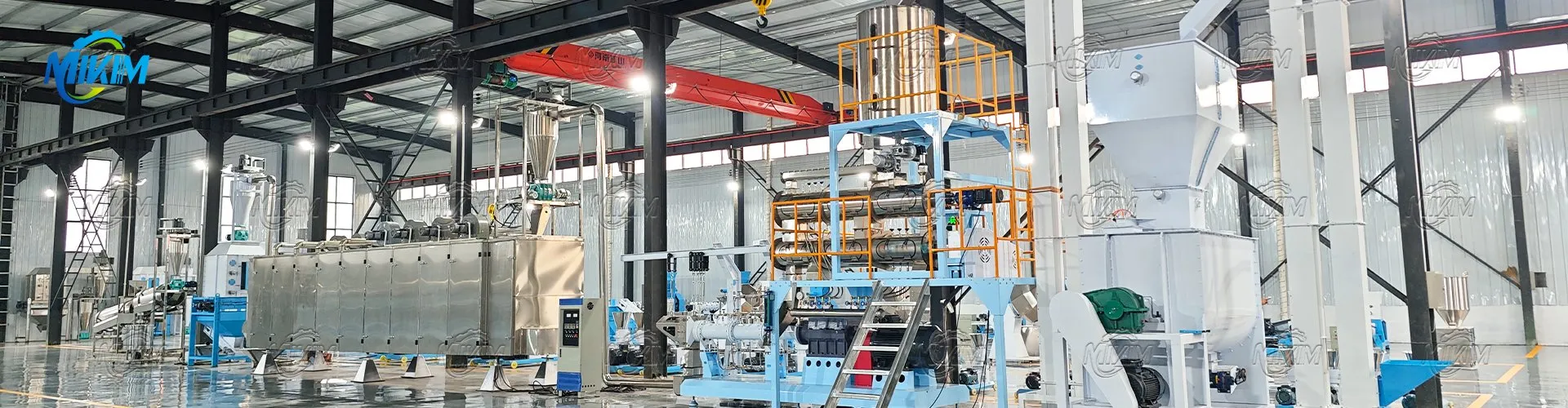
How Do Equipment Settings Affect The Output Of A Dry Fish Feed Pellet Extruder Machine?
Leave a message
Customers test the Dry floating fish feed making machine on site
content
I. Barrel Temperature Setting: Determines Gelatinization Speed and Discharge Resistance
Too low a temperature results in insufficient gelatinization, high resistance, and low output; too high a temperature causes charring and sticking of the raw materials, also reducing output. The optimal temperature range for a dry-type fish feed pellet processing machine is 85℃–125℃. A slightly higher temperature can be used initially, gradually lowering it after stabilization to maintain continuous output. A stable temperature ensures stable output.
II. Spindle Speed Setting: Directly Determines Discharge Speed
Within the equipment's safe operating range, higher speeds result in higher output. However, the speed must not exceed the motor's rated load, or the motor may burn out or the belt may break. Small fish food pellet making machines commonly use speeds of 200–400 r/min. Fine-tuning based on raw material conditions to find the fastest and most stable speed can significantly improve output.
III. Die Orifice Diameter and Number: Affect Output per Unit Time
Larger die orifice diameters and more orifices result in higher output. However, the orifice diameter must meet aquaculture requirements. To significantly increase output, select a die head with more orifices while meeting feed particle size requirements. Simultaneous discharge is possible, significantly increasing output. Clogged orifices severely reduce output; therefore, the orifices must be kept clear before and after production.
IV. Belt Tension: Affects Power Transmission and Operating Efficiency
An overly loose belt will slip, resulting in insufficient power transmission and decreased output; an overly tight belt will increase the load on the motor and bearings. Properly adjusting the belt tension ensures minimal slippage, low noise, and sufficient power during operation, allowing the small fish feed extruder machine to achieve maximum capacity.
V. Cutting Speed Matching: Ensures Continuous Operation Without Affecting Output
The cutting speed should be matched to the discharge speed. Too slow a cut will cause particle accumulation and blockage at the outlet; too fast a cut will result in particle breakage. Proper cutting ensures a clear discharge channel, allowing the dry pet food manufacturing process to operate continuously and stably, indirectly increasing effective output.


Our equipment


Why choose us?
The MIKIM's floating fish feed extruder machine is constructed entirely of food-grade 304 stainless steel, fully complying with food processing hygiene standards. It is corrosion-resistant, easy to clean, and eliminates potential contamination at the source. The core screw is made of high-quality alloy steel through special heat treatment, offering outstanding wear resistance and corrosion resistance. Combined with its integrated structural design, this significantly extends its service life. The entire machine has passed CE and ISO international authoritative certifications, aligning with global quality standards and ensuring safer and more reliable processing.
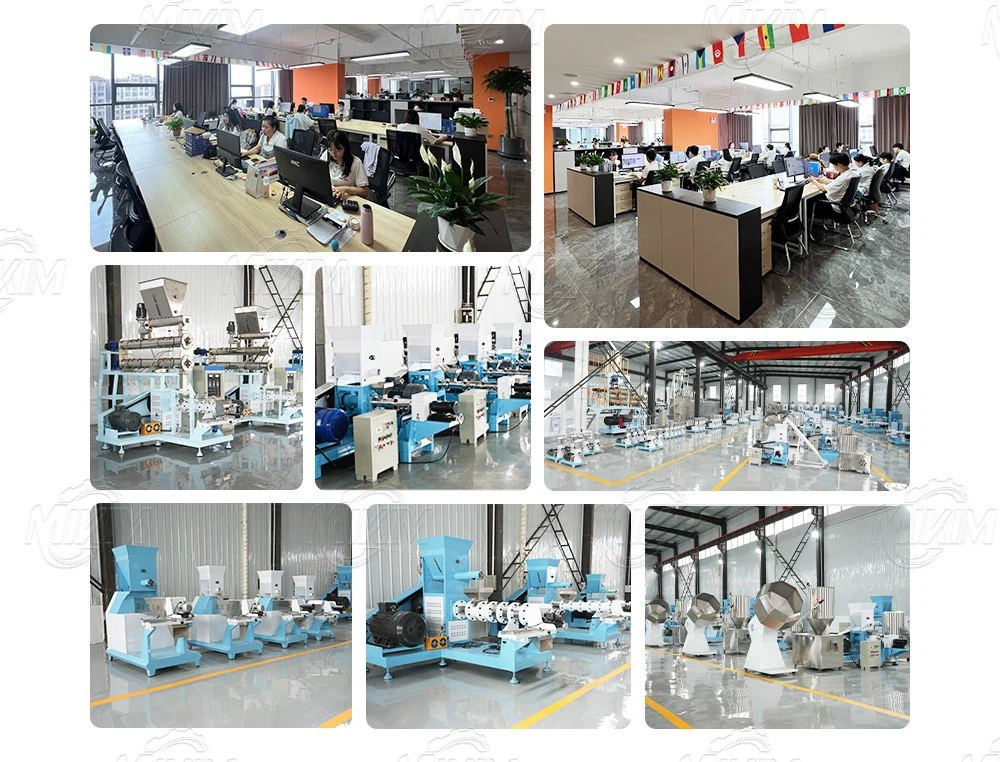
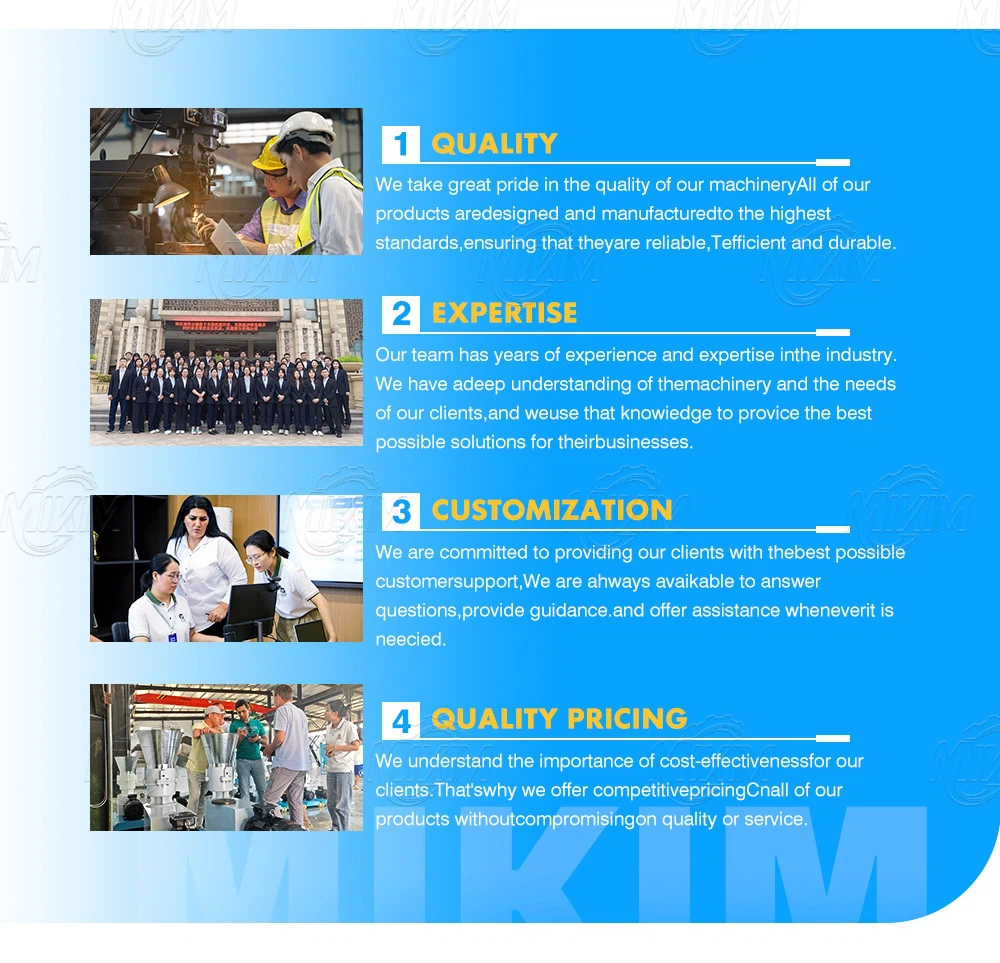
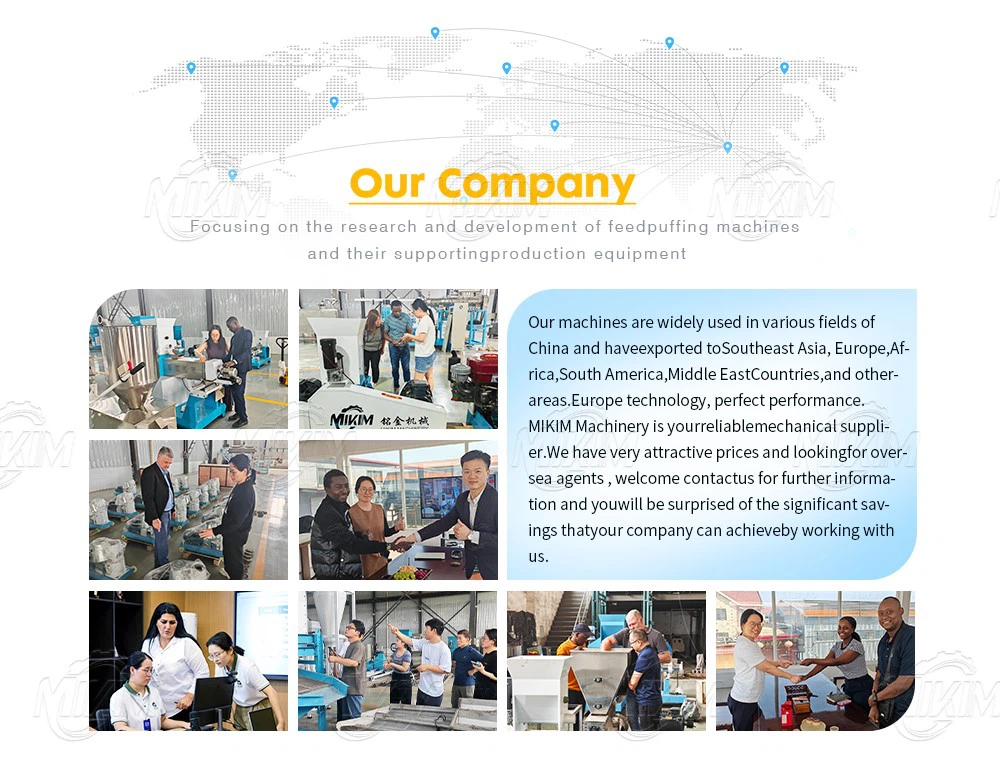
Company Introduction


FAQ
1. What is the price of the cat food making machine?
The price ranges from approximately $1,500-$50,000
2. How do you deliver to customers?
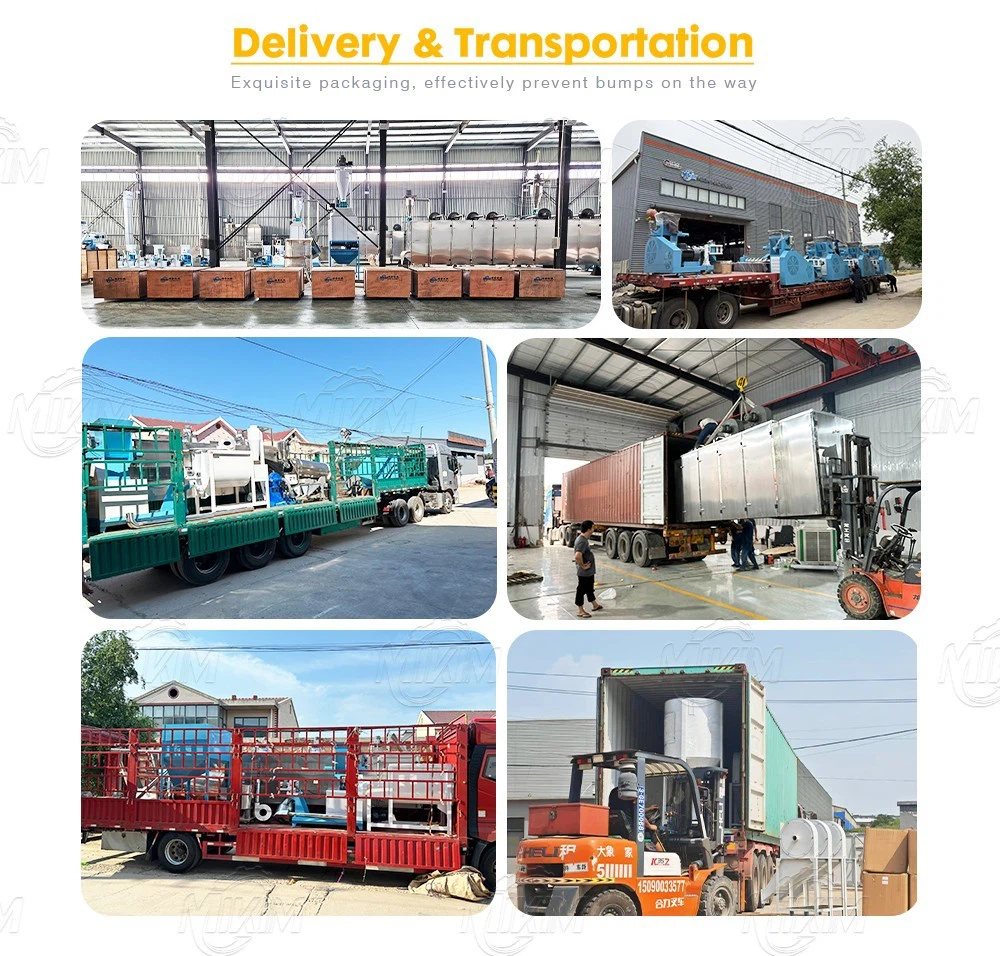
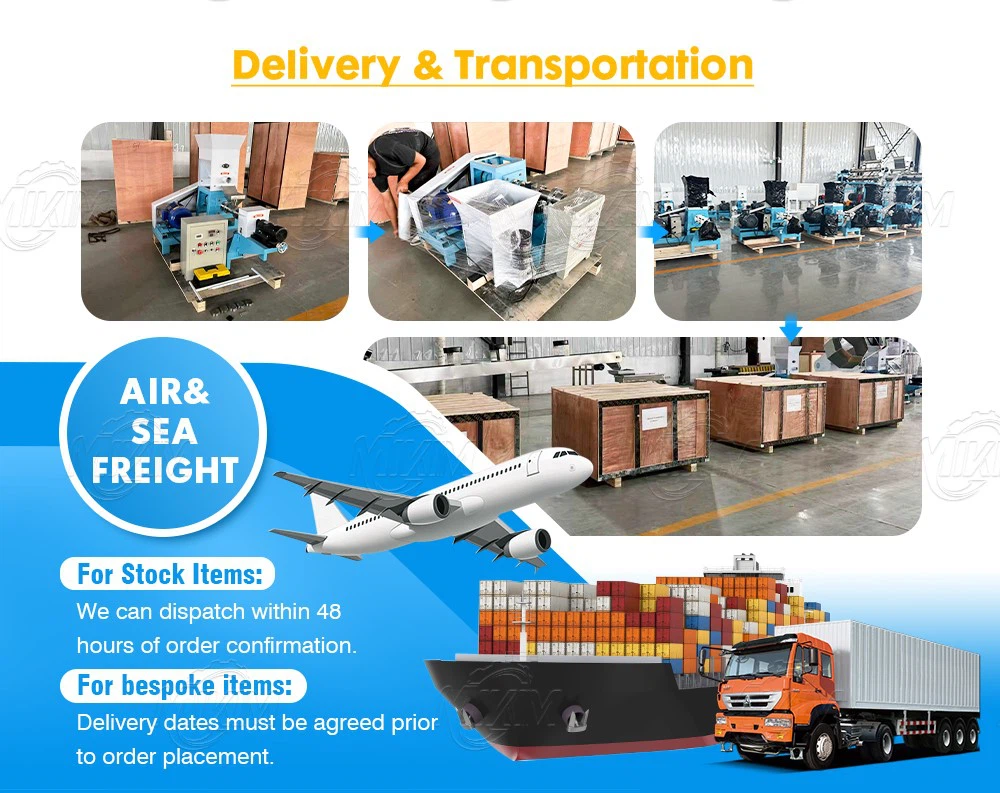
MIKIM Machinery's machinery delivery follows a complete process of "customized preparation - safe and fast delivery - precise handover - after-sales extension", with 3-day fast delivery, multi-layer protective packaging, global logistics tracking and 1-year warranty + on-site technical service to ensure that the equipment is delivered efficiently and in good condition and put into use smoothly.


