Most Suitable For Cattle And Sheep Pellet Feed Production Lines
Leave a message
Cattle and sheep farmers are often puzzled as to why some cattle and sheep grow well on the same feed, while others don't like it and suffer from indigestion. A major reason is often the wrong production line. The ruminant nature of cattle and sheep dictates that they have specific feed requirements. Below, we'll discuss in detail how to choose a suitable production line for your cattle and sheep.
Operating procedures for cattle feed production line
Operating Steps of Automated Cattle Feed Pellet Production Line
- Raw Material Processing: Crush coarse fiber raw materials such as silage and hay to a particle size of 3-5 mm. Crush concentrates such as corn and soybean meal to a particle size of 2-3 mm to ensure that both coarse fiber and concentrate are well processed.
- Ingredient Mixing: According to the nutritional requirements of cattle, mix coarse fiber raw materials and concentrates, with coarse fiber generally accounting for 40%-60%. Use a twin-shaft mixer to mix thoroughly for 8-10 minutes to ensure uniform distribution of coarse fiber and concentrate.
- Treating and Pelletizing: During conditioning, control the temperature at 75-80℃ and the moisture content at 13%-14%. Because cattle feed is high in coarse fiber, avoid excessively high temperatures to prevent damage to the fiber structure. Use 6-8 mm diameter dies for pelleting, controlling the pellet hardness at 2-3 kg/cm². Too hard pellets will affect cattle's feed intake.
- Cooling and Packaging: Cool the pellets to room temperature, reducing the moisture content to around 12%, and then package them to prevent mold growth.
Agricultural sheep feed production line operation steps
- Raw material processing: Coarse fiber raw materials are crushed to a particle size of 2-3 mm, and concentrate feed is crushed to a particle size of 1.5-2.0 mm, slightly finer than cattle feed, for easier digestion by sheep.
- Ingredient mixing: Coarse fiber accounts for 30%-50% and is mixed with concentrate feed in a mixer for 6-8 minutes to ensure uniform mixing.
- Treating and pelleting: The treating temperature is 75-80℃, and the moisture content is 13%-14%. Pelletizing is done using a die with a diameter of 4-6 mm, resulting in a pellet hardness of 2-2.5 kg/cm².
- Cooling and packaging: After cooling, the moisture content is controlled below 12%, then packaged and stored.
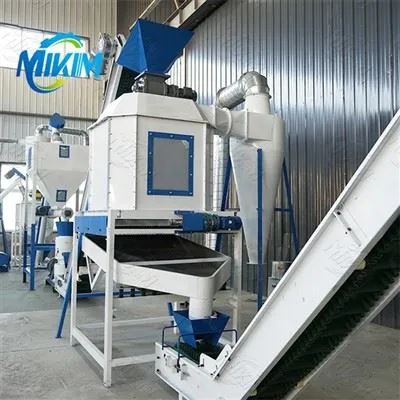
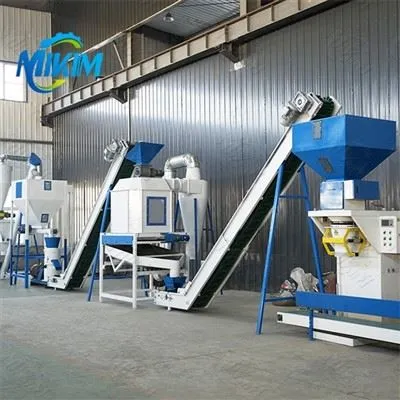
Main equipment


Advantages
Cattle feed production line: Effectively processes crude fiber raw materials, ensuring the content and quality of crude fiber in the feed, conforming to the rumen digestive characteristics of cattle, increasing feed intake and digestibility, reducing digestive system diseases, and promoting stronger growth.
Sheep feed production line: The feed pellet size and hardness are suitable for sheep's consumption and digestion. Proper processing of crude fiber promotes rumen fermentation, improves feed utilization, and increases sheep weight and wool production.
about Us
Qualifications and Honors

Customer visit

FAQ
1. What is the price of the Poultry feed pellet production line?
The price ranges from approximately $10,000-$33,000
2. Do you provide maintenance services for your customers?
Yes, we offer comprehensive after-sales maintenance services to our customers.