

Will Poor Control Of Raw Material Density Affect The Pelleting Rate Of Poultry Feed?
Leave a message
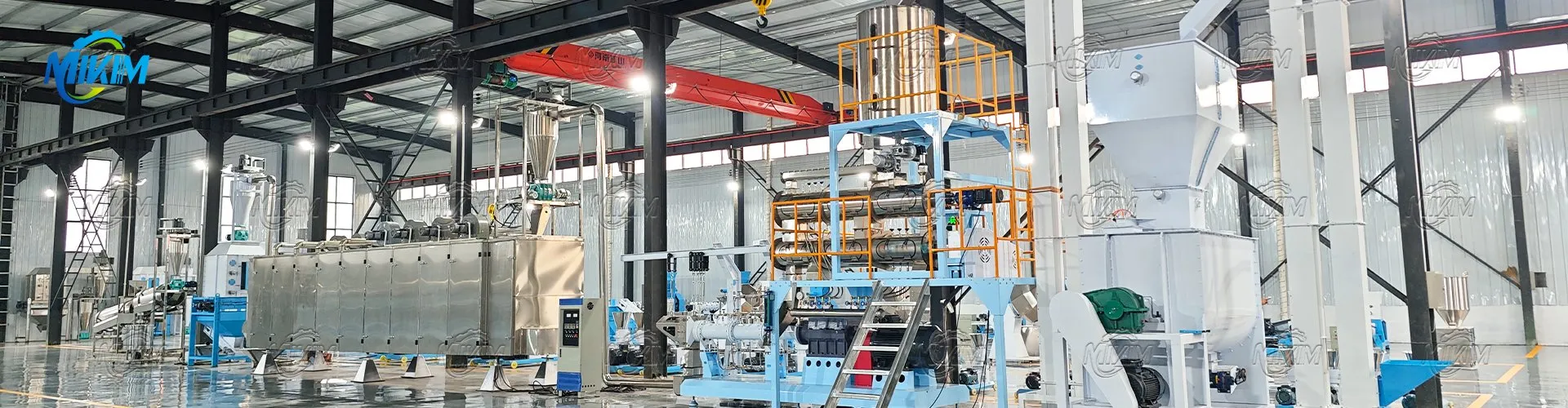
Many poultry feed mills encounter this problem during production: with the same formula and equipment, sometimes the feed pellets are compact and durable for transportation, while other times they produce more broken pieces and poor pelleting, resulting in more waste after being consumed by the poultry. This is likely due to improper control of raw material density – both too high and too low density can cause problems in the pelleting process. Below, we'll discuss the importance of raw material density in the context of poultry feed pellet production lines.
Three aspects
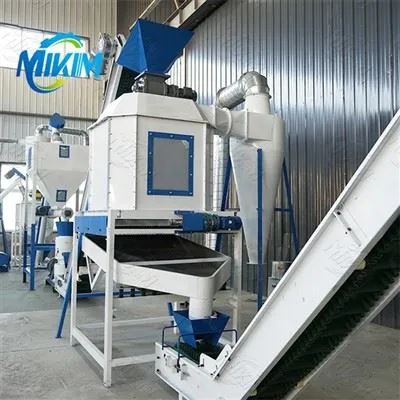
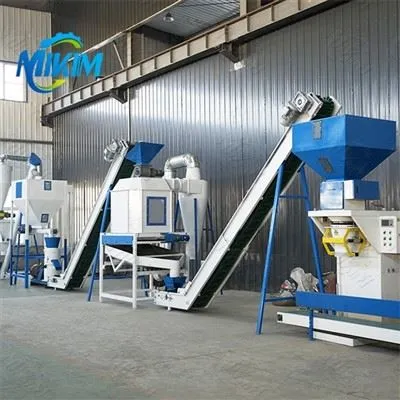
First, raw material density affects the efficiency and pellet formation rate of animal feed pellet machines. The core of a farm feed pellet production line is the ring die pellet mill, where raw materials need to be extruded between the pressure rollers and the ring die. If the raw material density is too low (e.g., a high proportion of bran or alfalfa meal, with a density of only 0.3-0.4 g/cm³), the raw material will clump together loosely in the pellet mill, the pressure rollers cannot hold it, and it cannot be effectively extruded into the die holes. This not only results in a low forming rate (possibly below 80%) but also a decrease in pellet mill output; what was originally 1 ton per hour might only produce 0.6 tons if the density is unsuitable. Conversely, if the raw material density is too high (e.g., a high proportion of corn flour or soybean meal, with a density exceeding 0.8 g/cm³), the raw material is too fluid and will quickly pass through the gap between the pressure rollers and the ring die. Insufficient extrusion time results in hollow pellets that crumble easily.
Second, raw material density determines the hardness and palatability of poultry feed. Chicks and ducklings have soft beaks and require feed pellets with moderate hardness (2-3 kg/cm²), while adult poultry need slightly harder pellets (3-4 kg/cm²) to develop their chewing ability. In Automated Feed Pellet Equipment, hardness can be controlled by adjusting the density of the feed ingredients. For example, when producing chick feed, the feed ingredient density is controlled at 0.5-0.6 g/cm³, with the addition of appropriate amounts of corn flour (0.7 g/cm³) and bran (0.4 g/cm³). This balanced mix results in soft, easily digestible pellets. When producing adult laying hen feed, the feed ingredient density is increased to 0.6-0.7 g/cm³, with increased proportions of soybean meal and corn, and reduced coarse fiber. This results in pellets with just the right hardness, which is easily digested and absorbed by the hens, thus increasing egg production.
Furthermore, feed ingredient density affects feed transportation and storage. After production, poultry feed needs to be transported long distances to farms. Pellets with the right density (0.6-0.7 g/cm³) are compact and wear-resistant, and the breakage rate during transportation can be controlled below 5%. If the raw material density is too low, the pellets are loose, and the breakage rate will exceed 15%, wasting feed and causing dust pollution. Furthermore, pellets with moderate density have low moisture absorption, making them less prone to clumping and mold during storage, thus extending shelf life. For example, in humid southern regions, poultry feed with the right density can be stored for 3 months, while feed with the wrong density may mold and spoil within 1 month.
Main equipment


about Us
Qualifications and Honors

Customer visit

FAQ
1. What is the price of the Poultry feed pellet production line?
The price ranges from approximately $10,000-$33,000
2. Do you provide maintenance services for your customers?
Yes, we offer comprehensive after-sales maintenance services to our customers.


