

An Examination Of The Significance Of Raw Material Density in The Production Of Animal Feed Pellets
Leave a message
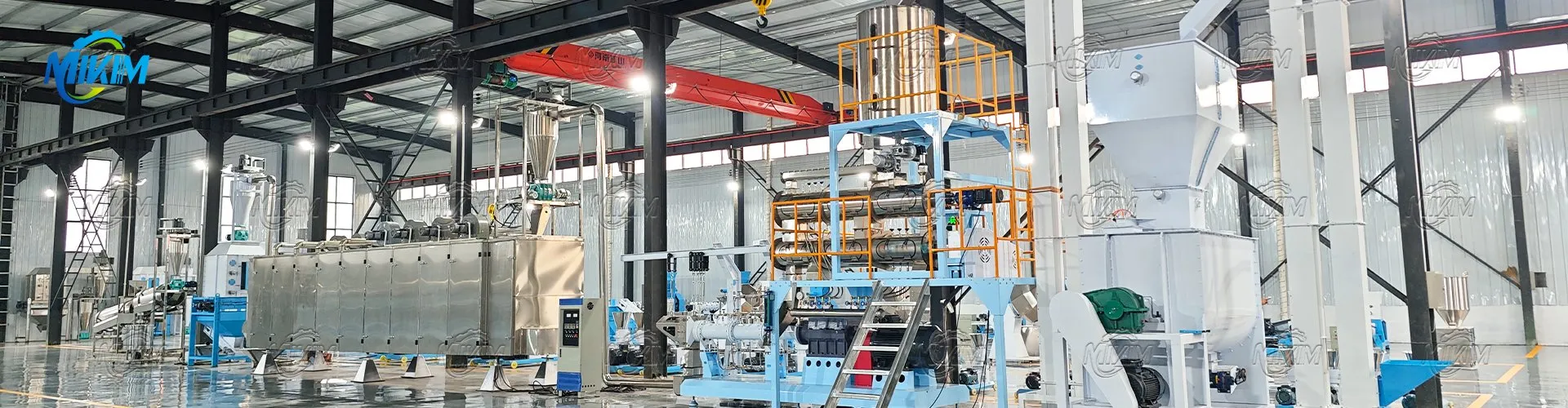
Anyone who owns a pet knows that pet food not only needs to be nutritionally balanced, but it also needs to be palatable and prevent illness. Many pet food manufacturers produce dog food that causes loose stools in some dogs, and cat food that cats refuse to touch. This is largely due to the density of the raw materials – if the density is unsuitable, the taste and digestibility of the food will change, making it unsuitable for the pet. Below, we'll discuss the importance of raw material density in the context of pet food pellet production lines.
Three aspects
First, the density of the raw materials is adapted to the eating habits and oral structure of pets. When producing dog food on a pet food pellet production line, small dogs (such as Teddy) have small mouths and require small pellets with a moderate density (0.5-0.6 g/cm³). The raw materials are formulated with meat meal (density 0.8 g/cm³) and cornmeal (density 0.7 g/cm³), with a small amount of oat flour (density 0.4 g/cm³) added to adjust the density, resulting in soft pellets that are easy to chew. Large dogs (such as Golden Retrievers) require slightly larger pellets with a slightly higher density (0.6-0.7 g/cm³), so the proportion of meat meal is increased and the amount of crude fiber is reduced, resulting in denser pellets that meet the chewing needs of large dogs. When producing cat food, cats prefer high-protein feed with a slightly higher density (0.7-0.8 g/cm³). The raw materials contain a high proportion of fish meal and chicken meal. The high density of the feed allows cats to feel full quickly and reduces picky eating.
Second, ingredient density affects the digestibility and gastrointestinal health of pet food. Pets have sensitive digestive systems. Food with too high an ingredient density (over 0.8 g/cm³) has hard pellets, putting a heavy burden on the pet's digestive system and easily causing bloating and constipation. Food with too low an ingredient density (below 0.5 g/cm³) has loose pellets, leading to insufficient nutrient intake even when pets eat a lot, and may also cause diarrhea. Pet food pellet production lines adjust the density according to the pet breed: for example, when producing rabbit food, the main ingredients are alfalfa hay powder (density 0.3 g/cm³) and timothy hay powder (density 0.4 g/cm³), with a density controlled at 0.4-0.5 g/cm³. High-fiber, low-density feed promotes intestinal peristalsis in rabbits and prevents constipation. When producing kitten food, the ingredient density is controlled at 0.6-0.7 g/cm³, ensuring high protein while making the pellets soft and easy to digest, reducing the probability of gastrointestinal discomfort in kittens.
Third, ingredient density helps achieve the functionality of pet food. For example, when producing "weight-loss dog food," the pet food pellet production line increases the proportion of crude fiber raw materials (such as beet pulp, density 0.3g/cm³) and reduces the raw material density (0.4-0.5g/cm³), making the feed bulky and low in calories. Dogs feel full after eating it without consuming too many calories. When producing "coat-enhancing cat food," the proportion of fishmeal (density 0.8g/cm³) and lecithin is increased, and the raw material density is controlled at 0.7-0.8g/cm³. The high nutrient density of the feed can provide sufficient nutrition for the cat's coat, making the coat shinier.
Main equipment


about Us
Qualifications and Honors

Customer visit

FAQ
1. What is the price of the floating fish feed production line?
The price ranges from approximately $11,000-$43,000
2. Do you provide maintenance services for your customers?
Yes, we offer comprehensive after-sales maintenance services to our customers.


