

The Role And Significance Of Raw Material Density in Animal Pellet Feed Production
Leave a message
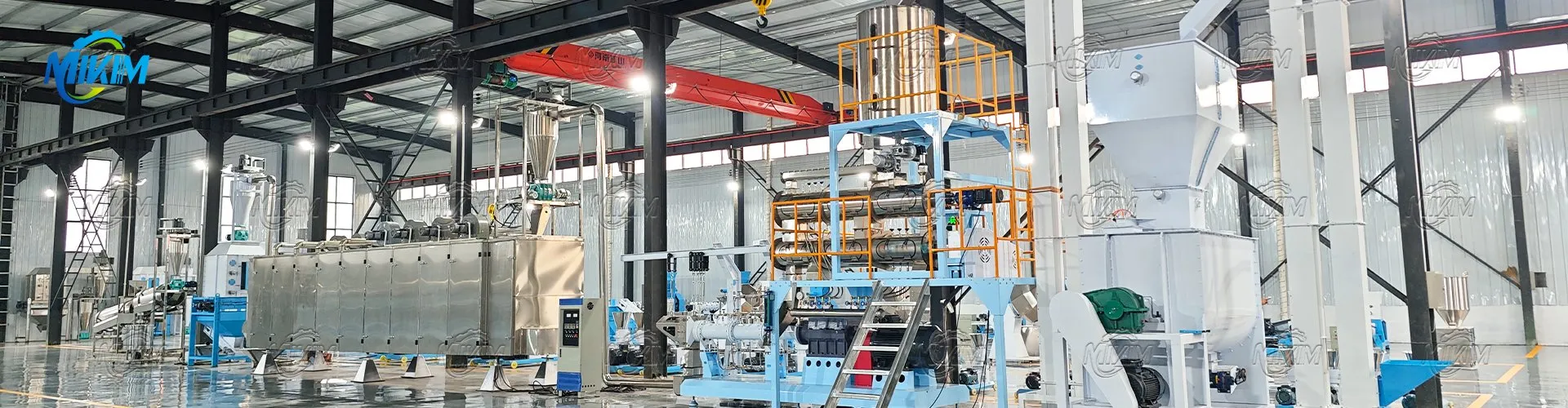
Raising bamboo rats and foxes requires more meticulous care than traditional farming. If the feed doesn't suit their appetite, the animals will refuse to eat and may even develop health problems. Many farmers report that their formulated feed is nutritionally sufficient, but their specialized animals simply won't eat it. This is likely because the feed density isn't suited to the animals' needs. Below, we'll discuss the importance of feed density in the context of specialized animal feed pellet production lines.
Three aspects
First, the density of raw materials must be adapted to the specific feeding habits of specialized animals. When producing bamboo rat feed on a specialized animal feed pellet production line, bamboo rats, being herbivores, prefer feed rich in roughage. The raw materials are primarily bamboo powder (density 0.3 g/cm³) and corn stalk powder (density 0.3 g/cm³), supplemented with a small amount of wheat bran (density 0.4 g/cm³). The raw material density is controlled at 0.3-0.4 g/cm³, resulting in soft pellets that suit the chewing habits of bamboo rats. When producing fox feed, foxes, being carnivores, require high-protein, high-density feed. The raw materials are primarily fishmeal (density 0.8 g/cm³) and meat and bone meal (density 0.9 g/cm³), supplemented with a small amount of corn flour (density 0.7 g/cm³). The raw material density is controlled at 0.7-0.8 g/cm³, resulting in compact pellets that meet the carnivorous needs of foxes.
Second, raw material density affects the nutrient absorption and growth performance of specialized animals. The growth cycle and economic value of specialty animals are closely related. For example, ostriches have a short growth cycle and require efficient nutrient absorption. When producing ostrich feed on a specialty animal feed pellet production line, the raw material density is controlled at 0.5-0.6 g/cm³, combined with corn flour, soybean meal, and alfalfa meal. This ensures both energy and protein supply while making the feed easily digestible. Ostriches can gain 2-3 kg per day, 0.5 kg more than with feed of inappropriate density. When producing bamboo rat feed, the density is controlled at 0.3-0.4 g/cm³. High-fiber, low-density feed promotes intestinal peristalsis in bamboo rats, reduces diarrhea, and increases the survival rate from 80% to 95%.
Furthermore, raw material density ensures the stability and safety of specialty animal feed. The raw materials for specialty animal feed are complex; for example, fox feed requires the addition of various animal proteins, resulting in significant differences in raw material density. If not properly controlled, this can lead to poor pellet formation and easy mold growth. Special animal feed pellet production lines use methods such as uniform mixing and humidity adjustment to ensure that the raw materials have a uniform density. The resulting pellets are compact and durable, and can be stored for more than 4 months in a well-ventilated and dry environment. They will not mold due to uneven density, thus preventing special animals from getting sick from eating spoiled feed.
Main equipment


about Us
Qualifications and Honors

Customer visit

FAQ
1. What is the price of the Automatic animal feed production line?
The price ranges from approximately $12,000-$46,000
2. Do you provide maintenance services for your customers?
Yes, we offer comprehensive after-sales maintenance services to our customers.


