Controlling The Density Of Raw Materials in The Feed Production Line Is Crucial To Ensuring The Healthy Growth Of Animals.
Leave a message
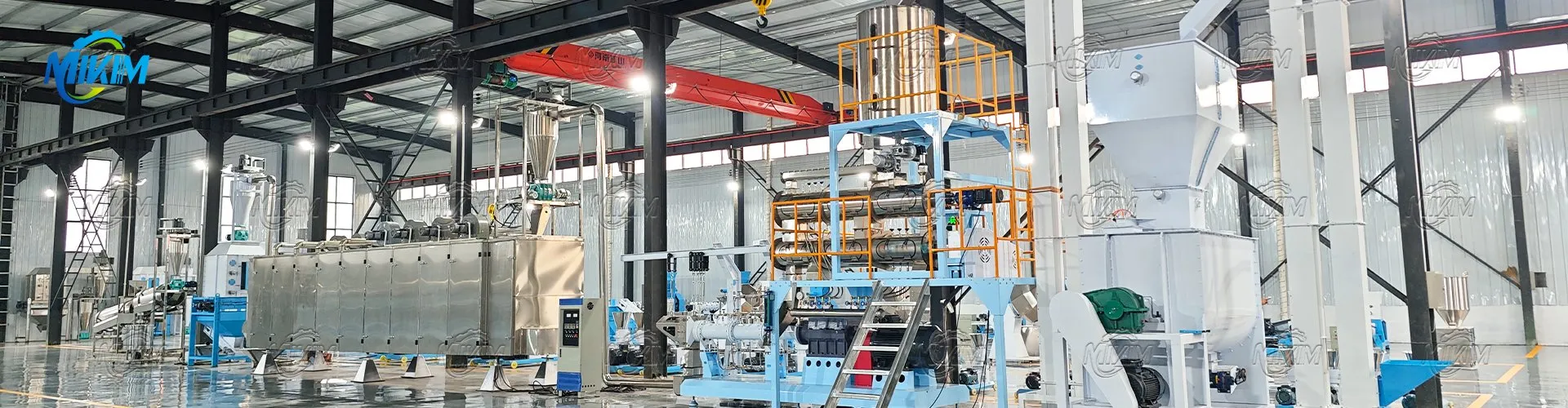
Cattle and sheep farmers know that the quality of feed depends not only on its nutritional value but also on its digestibility. Often, when fed the same ingredients, some cattle grow quickly while others become thin or even develop bloating. This is related to the control of feed density in ruminant feed pellet production lines. Inappropriate feed density directly affects rumen digestion in cattle and sheep; let's discuss its importance below.
Three aspects
First, feed density affects the rumen fermentation efficiency of ruminants. When producing cattle feed in ruminant pellet production lines, the main raw materials are coarse fiber ingredients such as corn stalks (density 0.3 g/cm³) and alfalfa (density 0.4 g/cm³), combined with soybean meal (density 0.7 g/cm³) and corn flour (density 0.7 g/cm³), with the feed density controlled at 0.4-0.5 g/cm³. This density allows the feed to remain in the rumen of cattle for 6-8 hours, giving rumen microorganisms sufficient time to break down crude fiber and protein, achieving a digestibility rate of over 65%. If the feed density is too high (exceeding 0.6 g/cm³), the feed will pass through the rumen quickly, remaining for less than 3 hours, resulting in undigested nutrients and excretion, reducing the digestibility to below 50%, rendering the feed ineffective.
Second, feed density determines the feed intake and growth rate of ruminants. Sheep have a smaller rumen volume than cattle, requiring more precise feed density. When producing sheep feed on ruminant pellet production lines, the feed density is controlled at 0.35-0.45 g/cm³, resulting in looser pellets that increase feed intake by 10%-15%. If the feed density is too high, sheep feel full after eating only a small amount, leading to insufficient nutrient intake and slower growth. For example, for beef cattle farmers, using feed with appropriate density allows cattle to gain 1.5 kg per day, while using feed with inappropriate density results in only 1 kg per day, extending the breeding cycle by two months and increasing costs.
Third, feed density reduces digestive diseases in ruminants. If the feed density is too low (below 0.3 g/cm³), the feed becomes too loose in the rumen, easily fermenting and producing large amounts of gas, causing rumen bloating, which can be life-threatening in severe cases. If the feed density is too high, the feed becomes too hard, abrading the rumen mucosa and causing inflammation. Ruminant feed pellet production lines control density by adjusting the raw material ratio. For example, when producing dairy cow feed, the density is controlled at 0.4-0.5 g/cm³, which ensures the crude fiber content, avoids bloating caused by excessively low density, and allows dairy cows to ingest sufficient nutrition to increase milk production.
Main equipment



about Us
Qualifications and Honors

Customer visit

FAQ
1. What is the price of the Poultry feed pellet production line?
The price ranges from approximately $10,000-$33,000
2. Do you provide maintenance services for your customers?
Yes, we offer comprehensive after-sales maintenance services to our customers.