Before using a fish feed extruder, what preparations are required?
Leave a message
In aquaculture, fish feed extruders play a crucial role. They process various feed ingredients into pelleted feed suitable for fish, improving feed utilization and meeting the nutritional needs of different fish species at different growth stages. However, ensuring efficient and stable operation of the fish feed extruder and producing high-quality fish feed requires meticulous preparation.
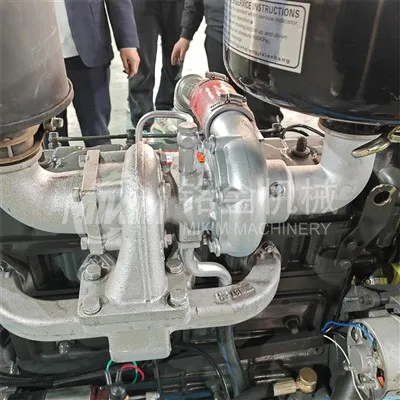
Before starting the machine, a comprehensive and thorough inspection is essential. First, check the connections of all components, ensuring every screw and part is securely installed without any risk of loosening or falling off. Even a small loose screw can cause serious malfunctions during high-speed operation, leading to equipment damage and even endangering operator safety. Simultaneously, checking the lubrication of all transmission components is critical. Adding appropriate amounts of lubricating oil or grease to bearings, gears, and other components is like injecting "lifeblood" into the machine, effectively reducing friction between parts, minimizing wear, and extending the equipment's lifespan. Furthermore, good lubrication ensures smoother operation, reduces energy consumption, and improves production efficiency. Insufficient lubrication will increase friction between parts, generating excessive heat, accelerating wear, and potentially causing equipment jams and shutdowns, thus impacting production schedules.
Accurately selecting raw materials and scientifically designing formulas based on the species and growth stage of farmed fish is the core of producing high-quality fish feed. Different types of fish have vastly different dietary habits and nutritional needs. For example, carnivorous fish such as bass and snakehead have high protein requirements, so their feed should primarily consist of animal protein sources such as fishmeal, shrimp meal, and protein powder. Herbivorous fish such as grass carp and bream are better suited to feeds primarily composed of plant protein sources such as soybean meal and cornmeal, supplemented with appropriate amounts of green fodder to meet their dietary fiber needs. Omnivorous fish such as carp and crucian carp require feed formulations that balance animal and plant proteins.
Fish also have varying nutritional needs at different growth stages. During the juvenile stage, fish grow rapidly and have more comprehensive and refined nutritional needs. Their feed should contain a high proportion of high-quality protein, appropriate amounts of fat, vitamins, and minerals to promote bone development, muscle growth, and the maturation of the immune system. In the adult stage, although the growth rate slows down, the energy requirement increases. The feed formula can be adjusted appropriately, increasing the carbohydrate content to meet the energy needs of adult fish for maintaining life activities and growth.
When designing the feed formula, palatability, digestibility, and cost should be fully considered. Fresh, uncontaminated, and mold-free raw materials should be selected to ensure feed safety and quality. A reasonable combination of various raw materials ensures that the nutrients in the feed can be fully digested and absorbed by the fish, avoiding waste and loss of nutrients. At the same time, based on market prices and supply, cost-effective raw materials should be selected to reduce production costs and improve aquaculture efficiency while ensuring feed quality.



about Us
MIKIM boasts extensive experience in poultry feed pellet production lines, significantly reducing the incidence of poultry diseases. Its equipment is not only widely used across various industries domestically but also exported to Southeast Asia, Europe, Africa, and South America, earning a high reputation internationally. This global presence not only demonstrates the adaptability and competitiveness of its products, but also demonstrates the company's experience in adapting to diverse market standards and logistics conditions, enabling it to provide a stable supply chain for its overseas customers. Whether serving large domestic farms or cross-border feed companies, MIKIM can leverage its global service network to ensure a consistent, high-quality experience.
For more information on process flow design, equipment layout, factory construction plans, individual equipment pricing, or turnkey project proposals, please feel free to contact us!!!

FAQ
1. What is the price of the fish feed pellet production line?
The price ranges from approximately $10,000-$36,000
2. Do you provide maintenance services for your customers?
Yes, we offer comprehensive after-sales maintenance services to our customers.