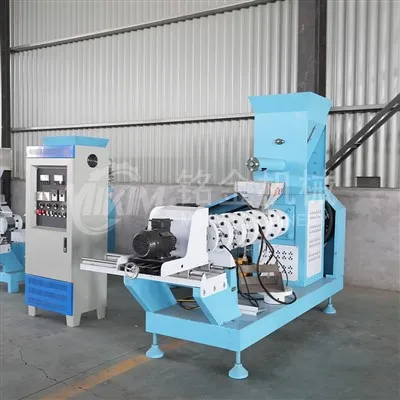
Can easily digestible feed made by extruded feed pellet mills reduce gastrointestinal diseases in turtle farmers?
Leave a message
Turtle keepers often encounter this problem: when fed regular turtle pellets, the turtles either refuse to eat or suffer from indigestion, producing white droppings and growing slowly; feeding them fresh meat and vegetables can easily lead to nutritional imbalances and softened shells. However, turtle food made with extruded feed pellets is readily eaten, easily digested, and results in hardened shells. This is because extruded feed pellets are precisely tailored to the physiological characteristics of turtles. Below, we'll discuss its importance in turtle farming.
Three aspects
First, fish feed making machines produce "nutritionalally balanced and non-picky" turtle food, solving the "eating problem" for turtles. Turtles are omnivores and require various nutrients such as protein, calcium, and vitamins. Ordinary feed either lacks sufficient protein (leading to slow growth) or calcium (causing soft shells), and its bland taste makes turtles prone to picky eating. Extruder pellet mills, during production, can customize ingredients according to the turtle's needs (e.g., 35% protein and 4% calcium for juvenile turtles, 30% protein and 3% calcium for adult turtles), and can also add palatability enhancers that turtles like (such as shrimp powder and liver powder), giving the feed a fishy smell that encourages turtles to actively eat. For example, when raising red-eared sliders, using extruded feed increases their feed intake from 60% to 90%, preventing "malnutrition" due to picky eating, and resulting in harder shells and no soft shell disease.
Second, extruder pellet mills make turtle food "easily digestible and low-burden," protecting the turtle's digestive system. Turtles have a slow metabolism and weak digestive system. Regular feed doesn't fully process the coarse fiber and hard protein, which can easily cause bloating, white stools, and even gastroenteritis. The high-temperature, high-pressure process of extruded feed pellet mills softens the coarse fiber and breaks down hard protein into smaller molecules, reducing the digestive burden on turtles and promoting normal bowel movements. For example, when raising Chinese pond turtles, feeding them extruded feed reduces the rate of abnormal bowel movements from 25% to below 5% compared to feeding them regular pellets, lowers the incidence of gastroenteritis from 15% to 3%, eliminates the need for frequent medication, and increases the survival rate from 70% to 95%.
Thirdly, animal food extruders also extend the shelf life of feed and facilitate storage, which is suitable for the slow pace of turtle farming. Turtles eat little, and a single purchase of feed can last for several months. Regular feed easily absorbs moisture and molds, which can poison the turtles. Feed produced by an extruded feed pellet machine undergoes high-temperature drying, reducing the moisture content to below 12%. Its excellent sealing allows it to be stored for over 6 months without mold. For example, when raising alligator snapping turtles (commercial turtles), 100 catties of extruded feed can be made at once, feeding them for 3 months, eliminating the need for frequent feed purchases and saving time. Furthermore, the nutrients in the feed are not lost, ensuring stable growth for the turtles and preventing stunted growth due to feed spoilage. Additionally, the extruded feed pellet machine can produce pellets of different sizes: 1mm pellets for juvenile turtles and 3mm pellets for adult turtles, requiring no additional processing and making it exceptionally convenient.


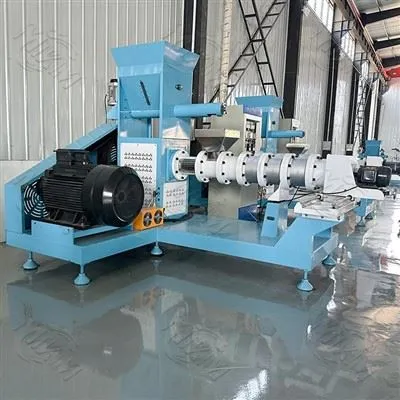
about Us
Choosing Mikim means receiving comprehensive support across the entire supply chain, from design and installation to commissioning and after-sales service. At the initial project stage, their professional team can customize equipment configuration solutions based on customer capacity requirements and site conditions. After equipment delivery, they provide on-site installation and commissioning services to ensure rapid production line startup. More importantly, they have established a complete after-sales service system that can respond promptly to equipment operation issues for customers worldwide, resolving production difficulties through technical guidance and spare parts supply. This service model of "precise pre-sales adaptation and rapid after-sales response" completely solves the pain points of maintenance after equipment purchase.
Certificate of Honor

FAQ
1. What is the price of the pet feed extruders?
The price ranges from approximately $8,500-$31,000
2. Do you provide maintenance services for your customers?
Yes, we offer comprehensive after-sales maintenance services to our customers.